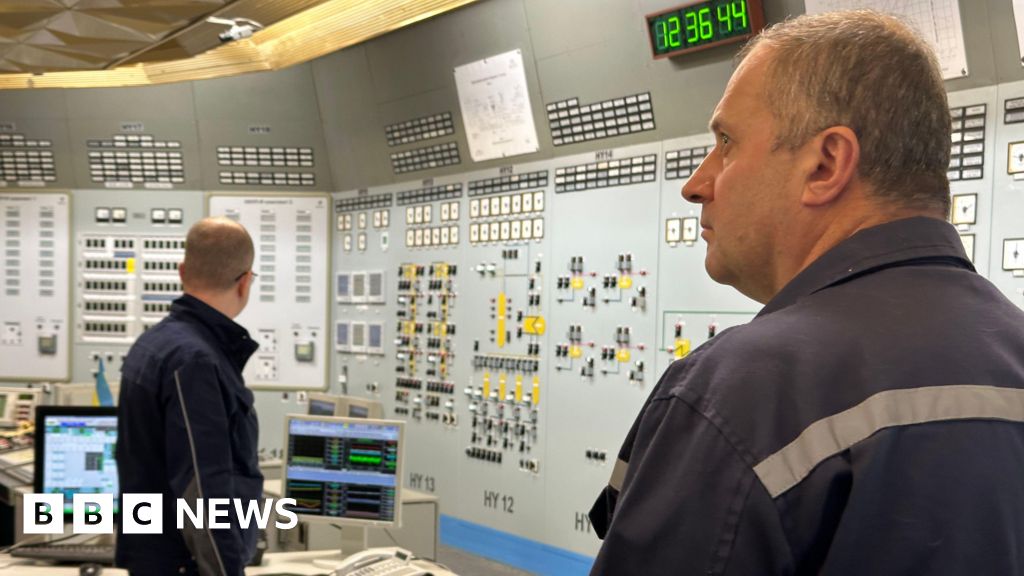
Ukraine is facing an acute energy crisis as Khmelnytskyi and two other nuclear plants supply roughly 60% of the country's electricity while Russia's seizure of the Zaporizhzhia plant (the largest in Europe) has left it dormant and under Russian control. Continued Russian attacks on substations, damaged cooling infrastructure and concerns over operation of US-made fuel systems at Zaporizhzhia—coupled with IAEA intermittent inspections and reports of Russia building alternate transmission lines—create significant tail risks to Ukrainian and regional energy supplies and raise severe nuclear-safety and geopolitical uncertainties that could influence European energy prices and policy decisions.
Market structure: Immediate winners are LNG exporters and merchant European generators — higher curtailed nuclear output implies a 10–30% incremental winter gas burn in Europe without Zaporizhzhia online, boosting TTF/spot LNG spreads. Losers are Ukrainian grid-linked utilities, captive industrials in Eastern Europe, and insurers exposing nuclear-operational risk; sovereign risk premia for Ukraine and nearby issuers should widen. Competitive dynamics favor US/Qatari LNG sellers (pricing power on short-term cargoes) and merchant power producers (RWE-style exposure) while regulated network owners absorb political risk.
Risk assessment: Tail risk is a low-probability/high-impact nuclear incident that would trigger pan-European power market closures, mass evacuations and a systemic risk-off (gold up, equities down, spreads blow out); model impact: STOXX600 down 15–35% in first 48–72 hours. Time horizons: days — TTF/spot LNG volatility; weeks–months — shipping and contractor capex flows; quarters+ — accelerated EU energy policy and grid hardening. Hidden dependencies include winter storage levels, IAEA inspection cadence, and compatibility of US fuel at Russian-run plants; catalysts include IAEA reports, ceasefire talks, and repair of key substations.
Trade implications: Tactical: long short-term LNG exposure and select uranium/miners for differing horizons; hedge with sovereign bond duration and gold for tail risk. Use pair trades: long merchant generator vs short vulnerable regulated or state-controlled incumbents to capitalize on power-price pass-through asymmetry. Options: favor 3–6 month call spreads on LNG names and long-dated call options on CCJ/URA to capture structural nuclear upside while limiting premium spend.
Contrarian angles: Consensus focuses on immediate outages but underestimates accelerated capex into renewables, storage and grid resilience — beneficiaries include Siemens Energy/SIE.DE and battery supply-chain names (ALB, TSLA exposure). Market may have over-penalized uranium equities: use scale-in buys on CCJ/URA at 10–25% pullbacks; unintended consequence of higher power prices is politically driven revenue reallocations (possible retroactive levies) — size positions conservatively and protect with puts.
AI-powered research, real-time alerts, and portfolio analytics for institutional investors.
Request DemoOverall Sentiment
strongly negative
Sentiment Score
-0.65
