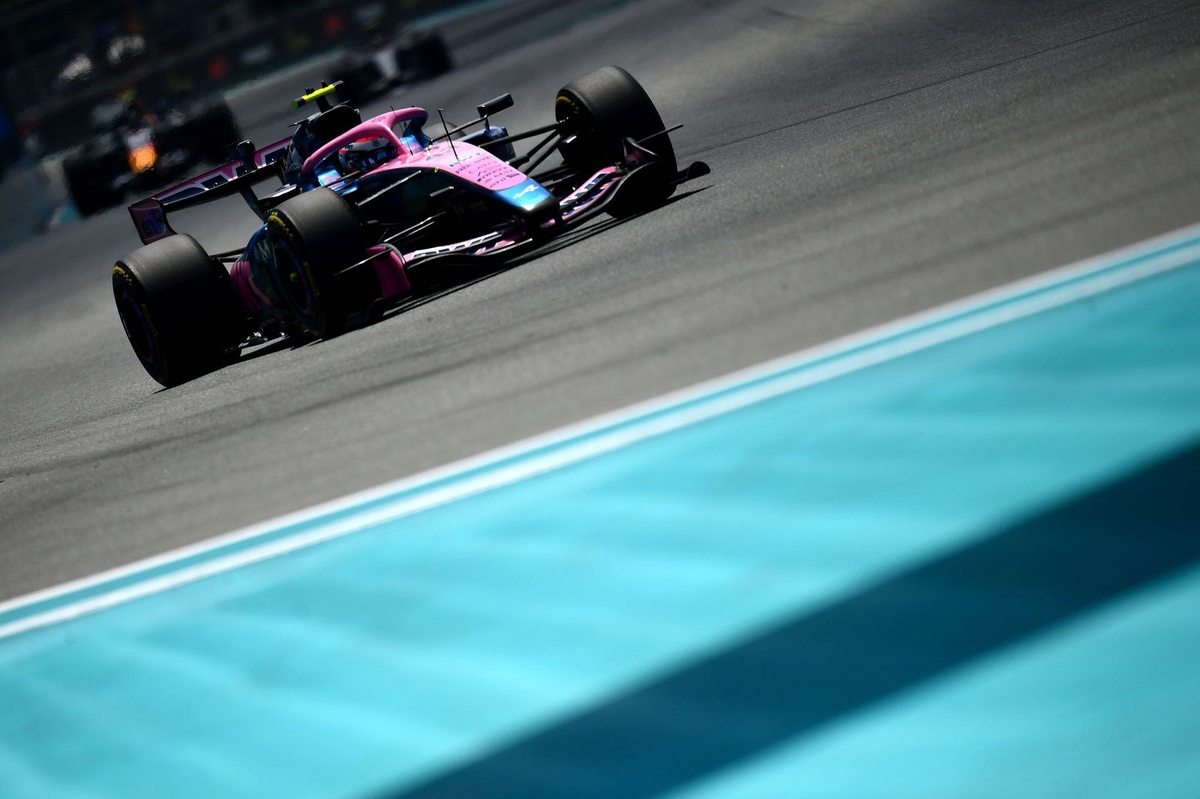
Car 5 was disqualified from the Sprint classification after stewards found the engine intake air pressure exceeded the 4.8 bar limit, which must be met at all times. The team acknowledged the technical infringement and said it occurred for one lap during unexpectedly higher temperatures, but that mitigation did not prevent the penalty. The ruling is a routine technical disqualification with limited broader market impact.
This is a classic governance event with asymmetric second-order effects: the direct loser is the disqualified entrant, but the broader winner is the enforcement framework itself. In motorsport, technical compliance is not just about one result; it is a credibility regime that shapes how aggressively teams will run margins for the rest of the season. The key implication is that rival teams now have a clearer penalty function for small, transient breaches—expect more conservative calibration around thermal and pressure thresholds, which can slightly reduce peak performance but lower DQ risk.
The near-term market impact is mostly reputational and operational rather than financial: teams with tighter process control gain a relative advantage, while smaller or more aggressively optimized outfits face higher variance. If this incident reflects rising ambient sensitivity, the second-order risk is that similar edge-of-envelope setups become less usable in warm conditions, compressing strategy differentiation and making qualifying/sprint execution more conservative over the next few race weekends. The downside tail is broader scrutiny from regulators, which can lead to more inspections and stricter interpretation of “at all times” clauses.
The contrarian view is that this is not necessarily a sign of systemic weakness; it may actually be evidence of a healthy enforcement mechanism catching a one-lap excursion that would otherwise be invisible. That matters because markets often overreact to isolated technical penalties by extrapolating management sloppiness, when the more probable interpretation is that teams are operating within a very tight optimization band. The real edge accrues to organizations with better simulation, thermal modeling, and pit-to-car decision latency rather than those willing to push hardest on peak output.
AI-powered research, real-time alerts, and portfolio analytics for institutional investors.
Request DemoOverall Sentiment
mildly negative
Sentiment Score
-0.35
