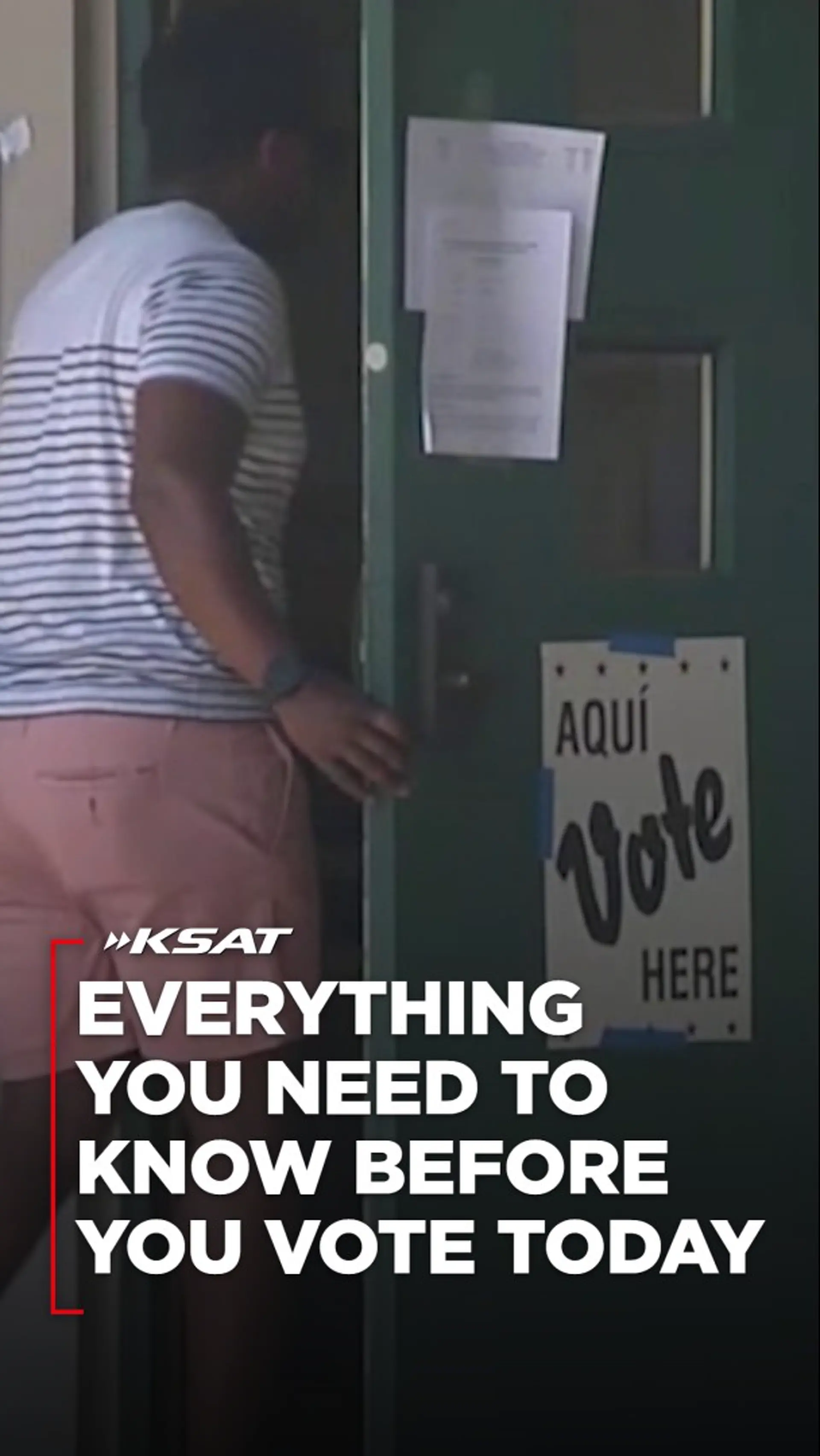
Texas Senate runoff coverage centers on John Cornyn and Ken Paxton, with Paxton holding a narrow 42% to 41% edge over Cornyn in the primary and receiving Donald Trump’s endorsement seven days before the May 26 runoff. The runoff winner will face Democratic nominee James Talarico in the general election. The article is primarily electoral reporting with no direct market-moving financial data.
The only immediate market implication is not policy content but the signal value of Trump’s late endorsement. That typically matters more for the next 24-72 hours than for the six-year Senate term itself: it tightens the odds of a more reliably pro-MAGA, more combative legislative posture in the event the Republican nominee wins, which raises the probability of higher volatility around fiscal, immigration, and DOJ-related headlines. The direct impact on broad equities is minimal, but event-driven political risk premia can widen in sectors exposed to federal budgets, defense procurement, energy permitting, and regulated monopolies.
The second-order effect is on donor and lobbying allocation. A credible Paxton nomination would likely pull Texas business money further into defensive hedging mode, especially for banks, utilities, and healthcare groups that prefer institutional predictability over ideological conflict. If Cornyn survives, the market reads that as a small but meaningful reduction in Senate-level tail risk: less appetite for procedural brinkmanship, lower odds of policy shock, and a modest compression in Washington headline volatility over the next 6-12 months.
The contrarian angle is that the consensus may overstate the market consequence of a single Senate seat while underpricing the signaling effect for 2026 primaries more broadly. A Paxton win would be a data point that Trump-endorsed insurgents can beat incumbents, potentially increasing expected volatility around other primaries and making future legislative outcomes less forecastable. That matters for duration-sensitive sectors more than most investors admit: if Washington becomes more erratic, the multiple penalty tends to show up first in regulated growth and long-duration cash flow names, not in the obvious political proxies.
This is a tradable event only via risk management, not conviction alpha. The key catalyst window is the runoff result and the first 1-2 weeks after, when donor messaging and downstream endorsements will reprice expectations. If the result is close or disputed, expect a short burst of volatility that fades quickly unless it changes the Senate math or triggers a broader primary cascade.
AI-powered research, real-time alerts, and portfolio analytics for institutional investors.
Request DemoOverall Sentiment
neutral
Sentiment Score
0.00
