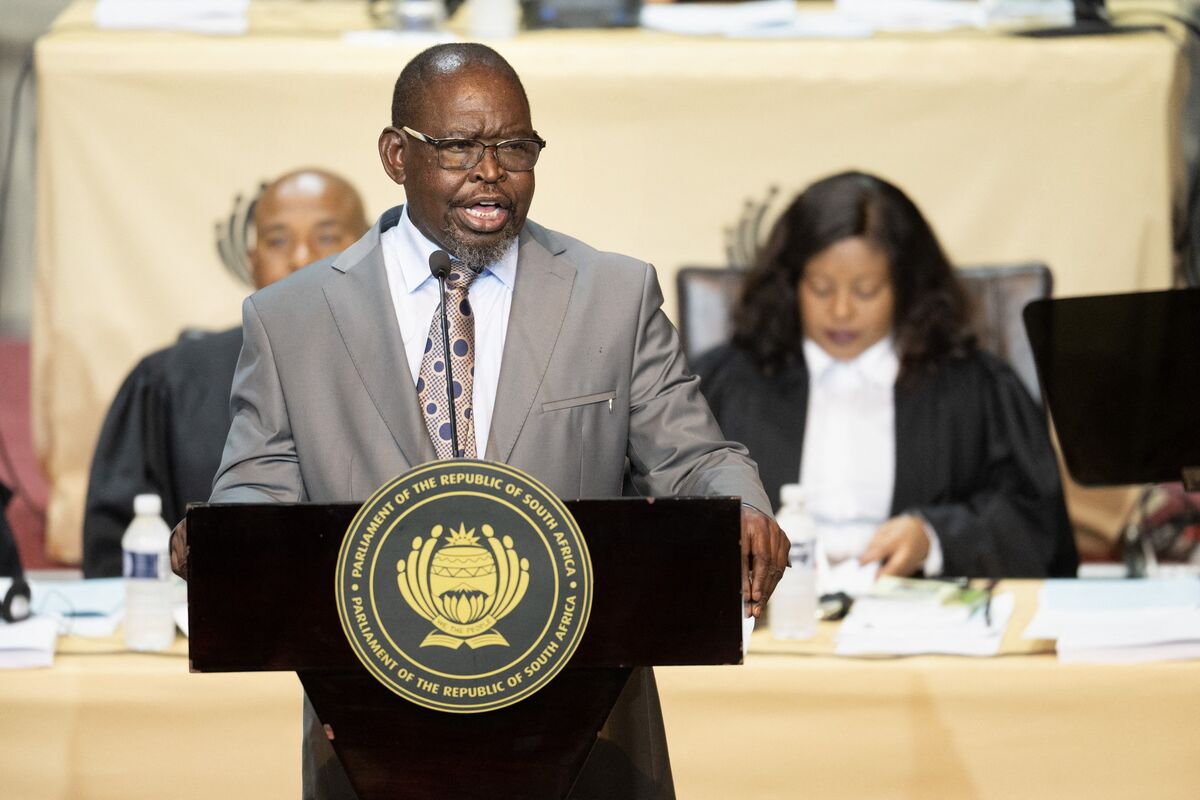
South Africa's National Treasury plans a comprehensive reform of its budget-preparation process for the 2026 fiscal year, prompted by political wrangling that led to the 2024 budget proposal being altered twice. This initiative aims to clarify trade-offs, reduce waste, and prioritize high-impact programs, signaling an effort to enhance fiscal discipline and adapt to the country's evolving fiscal and political realities.
South Africa's National Treasury has announced a comprehensive overhaul of its budget-preparation process, scheduled for implementation in 2026. This reform is a direct consequence of significant political friction that compelled two revisions to the current year's budget proposal, indicating a breakdown in procedural stability. The Treasury's stated objectives are to enhance fiscal discipline by clarifying trade-offs, curbing wasteful spending, and reallocating funds to high-impact programs. The official acknowledgement that the existing framework has failed to keep pace with the nation's evolving fiscal and political landscape signals a recognition of systemic vulnerabilities. While the initiative itself is a constructive step toward improving fiscal credibility, its success is contingent on navigating the same political challenges that prompted the reform, making its future impact on sovereign risk and investor confidence uncertain until concrete measures are detailed and implemented.
AI-powered research, real-time alerts, and portfolio analytics for institutional investors.
Request DemoOverall Sentiment
mixed
Sentiment Score
0.00
