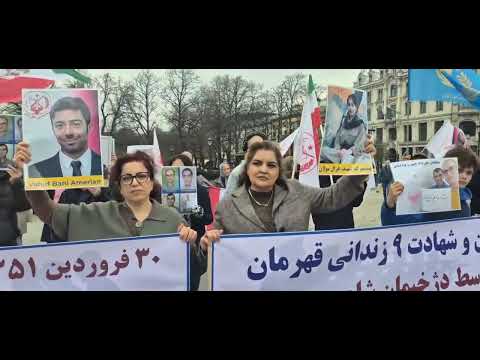
The article highlights escalating Iran-related geopolitical and economic stress, including a reported $270 billion preliminary damage estimate from the recent conflict, 83,351 damaged residential units, and a prolonged internet blackout. It also details sanctions enforcement actions, including the extradition of an Iranian citizen to the U.S. on a nine-count sanctions indictment and Kosovo’s designation of the IRGC as a terrorist organization. The Strait of Hormuz blockade, asset seizures targeting dissidents, and renewed political executions point to elevated regional risk, trade disruption, and further pressure on Iranian inflation, FX, and supply chains.
The investable read-through is not “more Middle East risk” in the abstract; it is a higher probability of persistent logistics friction and policy overreaction. Even if kinetic risk cools, the regime appears to be shifting into a repression-and-extraction phase: tighter capital controls, asset seizures, communications shutdowns, and a heavier reliance on coercive enforcement to preserve hard-currency flows. That mix is structurally bearish for domestic confidence, but it also raises the odds of episodic disruption to shipping, insurance, and regional settlement rails well beyond the headline ceasefire window.
The second-order winner is any supplier set with clean balance sheets and non-Iran exposure that can monetize substitute demand if Hormuz risk remains elevated. The losers are more likely to be adjacent and less obvious: regional logistics intermediaries, Gulf trade-hub volumes, and any importer reliant on just-in-time replenishment into the Levant and South Asia. On FX, the market is underestimating the probability of a disorderly devaluation spiral inside Iran; when a state combines asset confiscation, internet suppression, and import stress, the eventual adjustment usually shows up first in black-market FX and then in broader inflation, which can spill into neighboring pricing and smuggling economics.
The contrarian point is that sanctions and military pressure can strengthen the regime’s incentive to centralize, not collapse it. In the next 2-8 weeks, the main catalyst is whether the ceasefire holds and whether shipping insurers reprice Hormuz transit; over 3-6 months, the key variable is whether import shortages force visible rationing and social unrest. If the market is positioned for rapid regime weakening, that may be premature; the more durable trade is on persistent volatility, higher transport risk premiums, and recurring sanction-enforcement headlines rather than a clean geopolitical resolution.
AI-powered research, real-time alerts, and portfolio analytics for institutional investors.
Request TrialOverall Sentiment
strongly negative
Sentiment Score
-0.80
