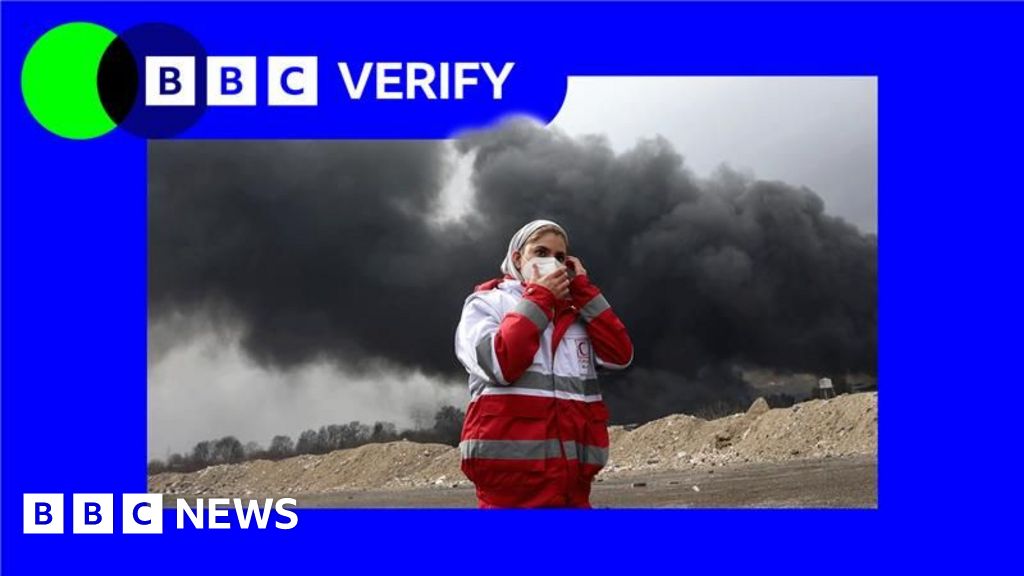
At least four oil facilities around Tehran have been struck since 28 February, with satellite imagery (captured 9 March) showing ongoing fires and smoke plumes affecting a city of nearly 10 million and producing reports of 'black rain'. WHO and public-health experts warn of immediate respiratory impacts and long-term health risks (including increased cancer risk) from a complex mix of pollutants, while ground air-quality data are lacking. The strikes pose localized supply and reputational risks to regional energy infrastructure and are sector-moving for oil/commodity risk if attacks escalate or cause wider refinery disruptions.
Localised strikes on refinery and storage hubs in a densely populated capital create a concentrated knock-on for refined-product flows that is outsized relative to crude supply numbers. Expect regional diesel/gasoil cracks to reroute barrels toward Iran’s neighbours over the next 2–8 weeks as tankers and land transport pick up imports; this raises short-term freight and arbitrage premia even if global crude balances remain intact.
A second-order effect is an immediate repricing of security and insurance costs for vessels and terminals operating in and near the Persian Gulf; a sustained premium here would materially raise delivered fuel costs to Asia/Europe and lift tanker earnings for VLCC/Aframax owners over a 1–3 month window. Environmental contamination (black rain) creates slower-moving liabilities: municipal water/soil remediation contracts, public-health spending and possible restrictions on port handling or storage that can compress regional throughput for months.
Tail risks skew to escalation: larger, repeated attacks or retaliatory strikes spread outages to more refineries, converting a weeks-long shock into a multi-quarter regional supply disruption and sustained product-price inflation. Offramp scenarios include rapid international diplomatic de‑escalation or surplus seasonal refinery capacity coming online in India/South Korea within 4–12 weeks, which would compress spreads and reverse most tactical moves.
AI-powered research, real-time alerts, and portfolio analytics for institutional investors.
Overall Sentiment
strongly negative
Sentiment Score
-0.60
