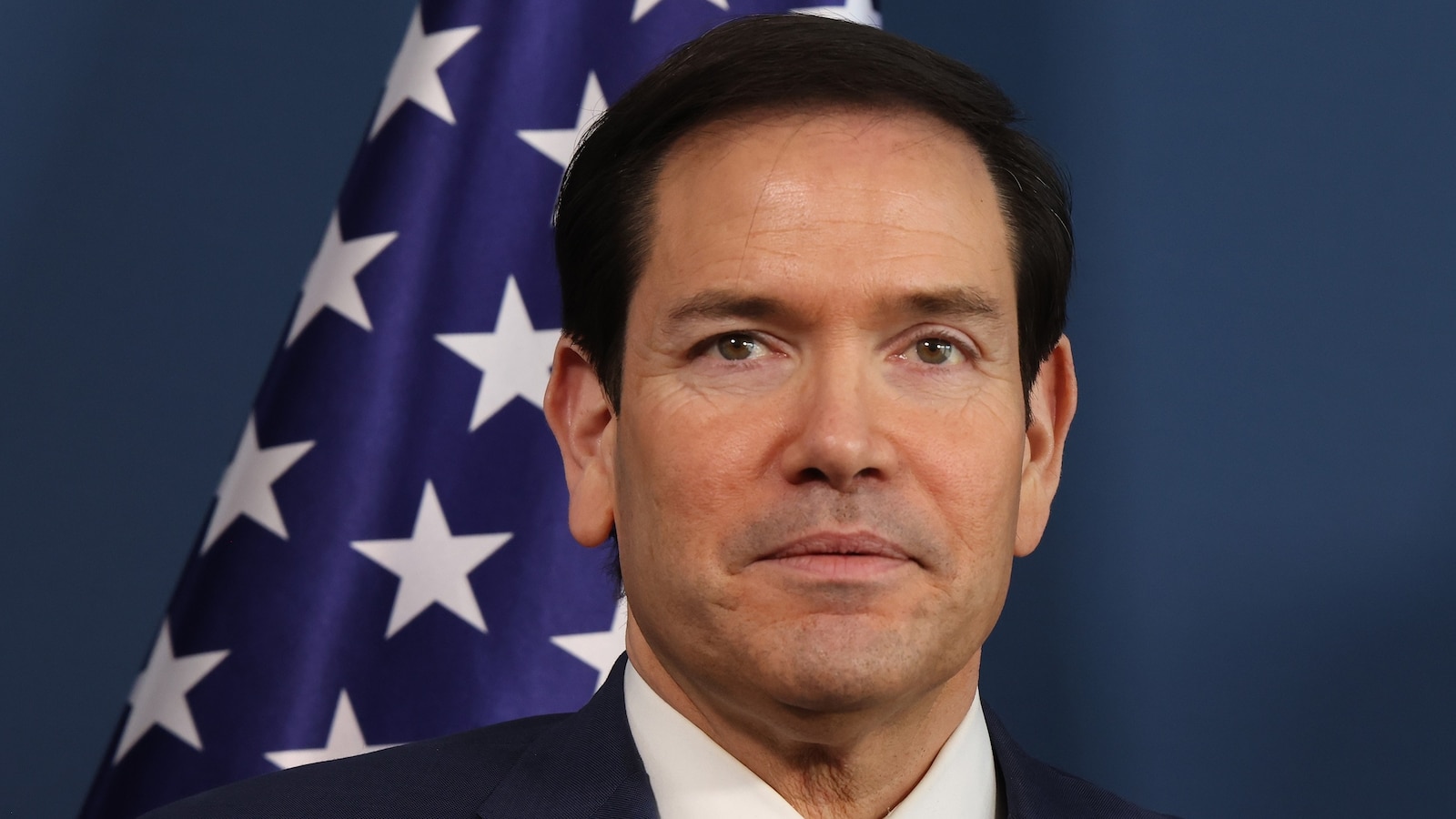
Secretary of State Marco Rubio will visit Israel amid heightened tensions with Iran after the U.S. embassy ordered nonessential departures, while Vice President JD Vance said a prolonged war with Iran is unlikely as the administration weighs options ranging from strikes to diplomacy. Vance meets Omani Foreign Minister Badr Al Busaidi in Washington following inconclusive indirect talks in Geneva, signaling ongoing back-channel diplomacy even as military options remain on the table. Hedge funds should monitor developments for near-term geopolitical risk to energy and defense sectors and for any escalation or diplomatic breakthrough that could drive volatility.
Market structure: Near-term winners are defense primes (Lockheed Martin LMT, Northrop Grumman NOC, Raytheon RTX) and large integrated oil producers (XOM, CVX, XLE ETF) from higher risk premia and potential surge in military and energy spending; losers include airlines (UAL, AAL, JETS ETF), regional tourism, and EM credits sensitive to oil/FX moves. A partial Strait of Hormuz disruption of 0.5–1.5 mbpd would mechanically push WTI toward $85–$120 depending on inventory draws, boosting oil/E&P cash flows while widening credit spreads for travel and EM corporates. Cross-asset: expect USD and gold (GLD) to appreciate, US 10y yields initially down (flight-to-safety) then up if oil-driven inflation becomes persistent; equity and option IVs should gap higher for 1–6 weeks.
Risk assessment: Tail scenarios (5–15% probability) include direct US-Iran kinetic escalation or broad regional retaliation causing oil >$120 and S&P drawdowns of 8–15% in 30–90 days; cyber or tanker attacks could trigger insurance/shipping rate shocks that last months. Time horizons matter: immediate (days) — safe-haven flows and volatility spikes; short-term (weeks–months) — defense procurement re-rates and energy capex sentiment; long-term (quarters+) — potential sanctions, fiscal responses, and election-driven policy shifts. Hidden dependencies: diplomatic backchannels (Oman) and US domestic politics can rapidly de-escalate or harden outcomes; market pricing may lag real economy second-order effects such as shipping reroutes and insurance cost inflation.
Trade implications: Tactical ideas — establish a 2–3% long position in LMT and 1–2% long in XOM/CVX (3–6 month horizon) to capture defense/order and oil price upside; pair these with a 1–2% short JETS ETF or short UAL/AAL (1–3 month) to exploit travel weakness. Options: buy 3-month LMT ATM call spreads (pay small premium for capped risk) and a 3-month WTI call spread (e.g., $80–$110) funded by selling lower-premium puts to control cost; add 1–2% GLD as a tactical hedge. Entry/exit: leg into positions if WTI > $80 (add +50% to energy longs) and trim if WTI < $70 for 30 consecutive days or if a credible diplomatic breakthrough is announced.
Contrarian angles: Consensus may overprice a sustained war — historical parallels (2019 tanker incidents, limited Iran skirmishes) show oil and defense spikes often mean-revert in 6–12 weeks absent wider escalation, creating mispriced re-entry points in airlines and cyclicals. Conversely, markets may underprice protracted sanctions and insurance-cost-driven inflation that would sustain energy and defense outperformance into 2026; monitor three triggers: sustained WTI > $95 for 10 trading days, P&I insurance rate spikes >50%, and any US authorization for strikes. If diplomacy via Oman produces concrete de-escalation in 30–60 days, trim defense/energy longs quickly and rotate into beaten-down travel names at 20–30% discount to pre-spike levels.
AI-powered research, real-time alerts, and portfolio analytics for institutional investors.
Request DemoOverall Sentiment
mildly negative
Sentiment Score
-0.25
