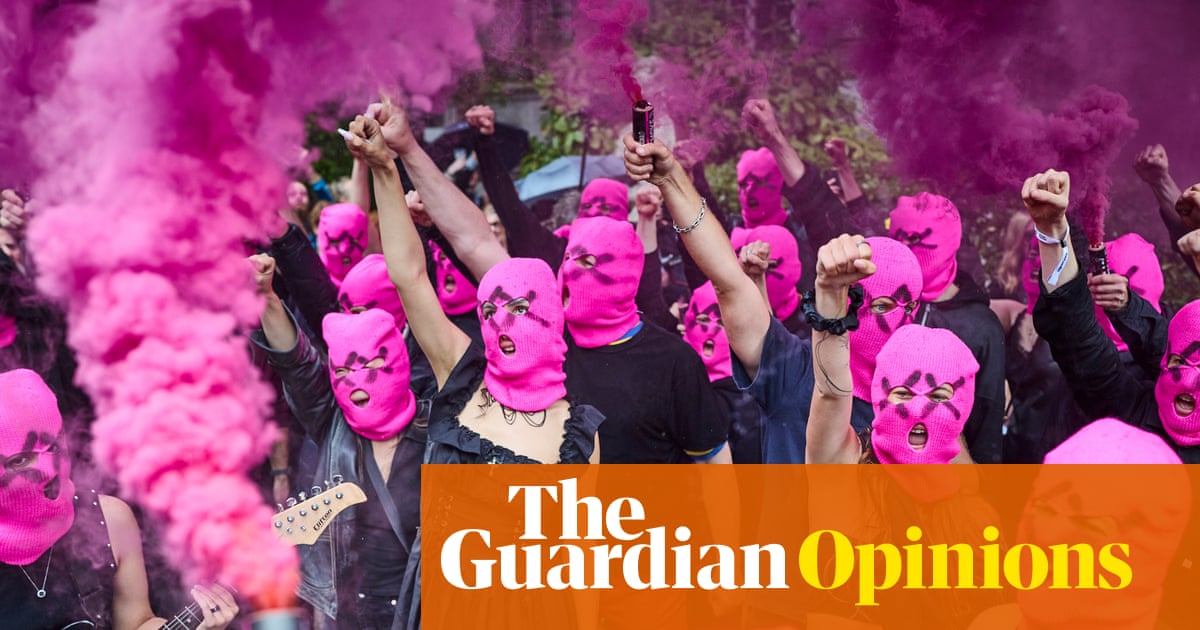
The Venice Biennale has become a geopolitical flashpoint, with Russia’s return after a 2022 hiatus and continued Israeli participation drawing criticism and protests. The article says the European Commission is investigating possible sanctions breaches tied to Russian pavilion visa support, while the jury resigned after refusing to consider countries whose leaders are charged with crimes against humanity by the ICC. The main impact is on cultural institutions and the optics of sanctions compliance rather than direct financial markets.
The real market signal is not the art controversy itself, but the normalization of sanctions arbitrage through cultural institutions. When state-linked entities can still secure visas, logistics, venue access and reputational rehabilitation in Europe, the enforcement regime looks porous; that usually bleeds from “soft power” into harder channels as counterparties infer a wider tolerance for gray-zone business. The second-order winner is anyone selling compliance, screening, security, and reputational-risk services to Western institutions that now have to prove they are not laundering access for sanctioned actors.
For Europe, the bigger risk is policy fragmentation. If Brussels keeps investigating while national governments split publicly, the immediate effect is not tighter sanctions but more inconsistent enforcement across member states, which raises transaction costs for all cross-border cultural and media operators. That is a hidden headwind for event organizers, museums, broadcasters, and sponsorship-heavy venues: they face higher legal review burdens, slower decision-making, and a greater probability of being pulled into diplomatic disputes that damage donor and audience demand.
The contrarian point is that “exclusion” may actually be less destabilizing for the market than the current ambiguous inclusion model. Half-measures create the worst setup: they invite recurring protests, legal exposure, and reputational churn without removing the underlying controversy. A clean line — even if politically difficult — would lower variance for operators and reduce the premium investors should assign to European arts/culture event risk over the next 6-12 months.
The most actionable takeaway is that this is a governance story, not a geopolitics headline trade. Expect the overhang to widen for institutions with state-facing partnerships, sponsorship reliance, or weak sanctions controls, while compliance vendors and risk-screening platforms should see incremental demand as boards try to de-risk future incidents.
AI-powered research, real-time alerts, and portfolio analytics for institutional investors.
Request DemoOverall Sentiment
moderately negative
Sentiment Score
-0.30
