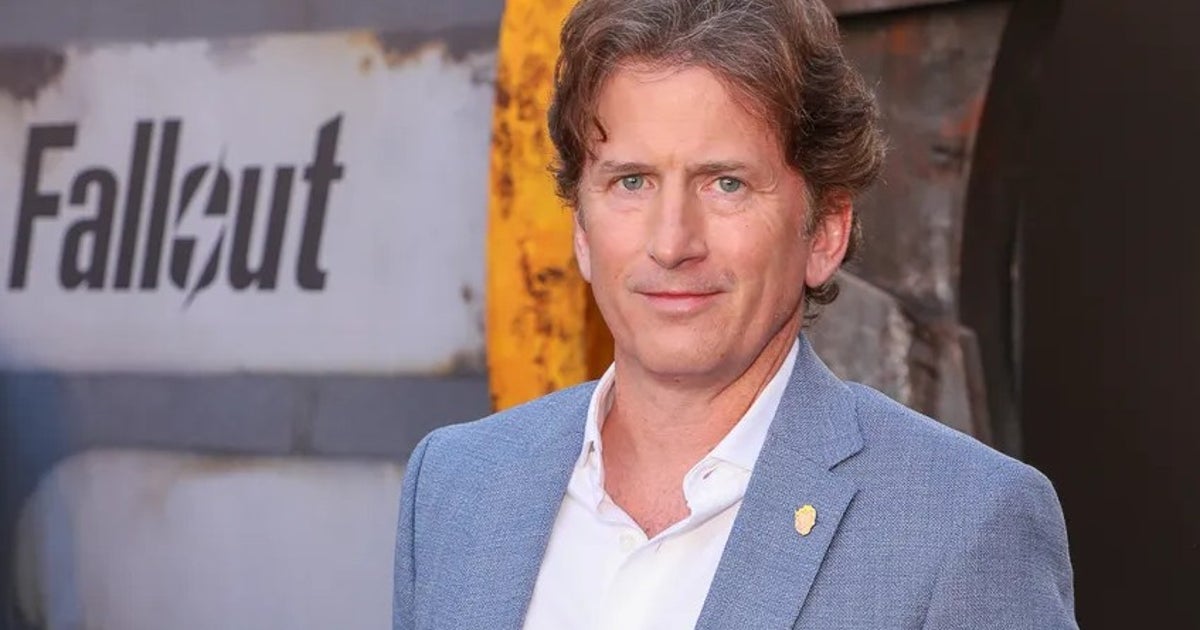
Bethesda director Todd Howard characterized AI as a development tool that can accelerate iterations but stressed that human creative intention must be preserved, comparing early AI tooling to early versions of Photoshop. Industry data point to broad adoption—Unity reported 62% of studios using AI (with animation the top use case), a GDC survey found roughly one-third of workers using AI, and a Tokyo Games Show poll reported over half of Japanese companies leveraging AI—while controversies persist, exemplified by Running with Scissors cancelling Postal: Bullet Paradise amid allegations of generative-AI-driven development. These trends suggest accelerating integration of AI across game production, raising operational, reputational and product-quality considerations for studios and publishers.
Market structure: AI as a tool favors owners of compute, middleware and cloud — think NVDA, MSFT, AMZN and Unity (U) — because studios will outsource heavy inferencing and toolchain development while retaining human-driven IP. Smaller independent studios without strong brands face downward pricing pressure as supply of cheaply produced content rises; expect install-base-driven winners (Xbox/PlayStation/Steam ecosystems) to consolidate market share within 12–36 months. Cross-asset: higher GPU demand supports semi capex and NVDA equity; credit spreads could widen for small-cap game issuers while options vol rises around controversial releases or bans.
Risk assessment: Tail risks include rapid regulatory restrictions on generative training data or landmark IP judgments that could force content takedowns — a single adverse ruling could erase tens to hundreds of millions in revenue for exposed publishers over 12–24 months. Short-term (days–weeks) risk is PR-driven cancellations (like Postal) causing idiosyncratic drops; medium-term (3–12 months) risk is rising cloud/GPU costs that compress marginal savings; hidden dependency: access to proprietary datasets and cheap H100/V100 cycles.
Trade implications: Direct play — overweight NVDA (2–3% portfolio) and MSFT (1–2%) for 12–24 month structural AI tailwinds; tactical buy Unity (U) 1% on any pullback <10% as adoption metrics exceed 60–70% of studios in 12 months. Pair trade — long NVDA, short RBLX (1% short) to express compute winners vs. user-content moderation liability; options — buy NVDA Jan 2027 LEAPs or 9–12 month call spreads to capture secular GPU demand while selling short-dated puts to improve entry. Rotate from small-cap consumer gaming into large-cap tech semis/cloud over next 2–6 weeks.
Contrarian angles: Market underestimates persistence of “human-artistry premium” — AAA IP owners (TTWO, ATVI) could command higher margins despite adoption of AI tools, making selective longs in TTWO/ATVI for 12–24 months attractive if multiples re-rate on IP scarcity. Reaction risk is twofold: panic delistings of AI-made titles could create buyable dislocations in quality studios, while an oversupply of low-quality games will increase the value of curated stores (Steam/Epic) and platform owners (AMZN/MSFT). Watch for regulatory or litigation catalysts in the next 3–9 months that could flip winners/losers rapidly.
AI-powered research, real-time alerts, and portfolio analytics for institutional investors.
Request DemoOverall Sentiment
neutral
Sentiment Score
0.05
Ticker Sentiment
