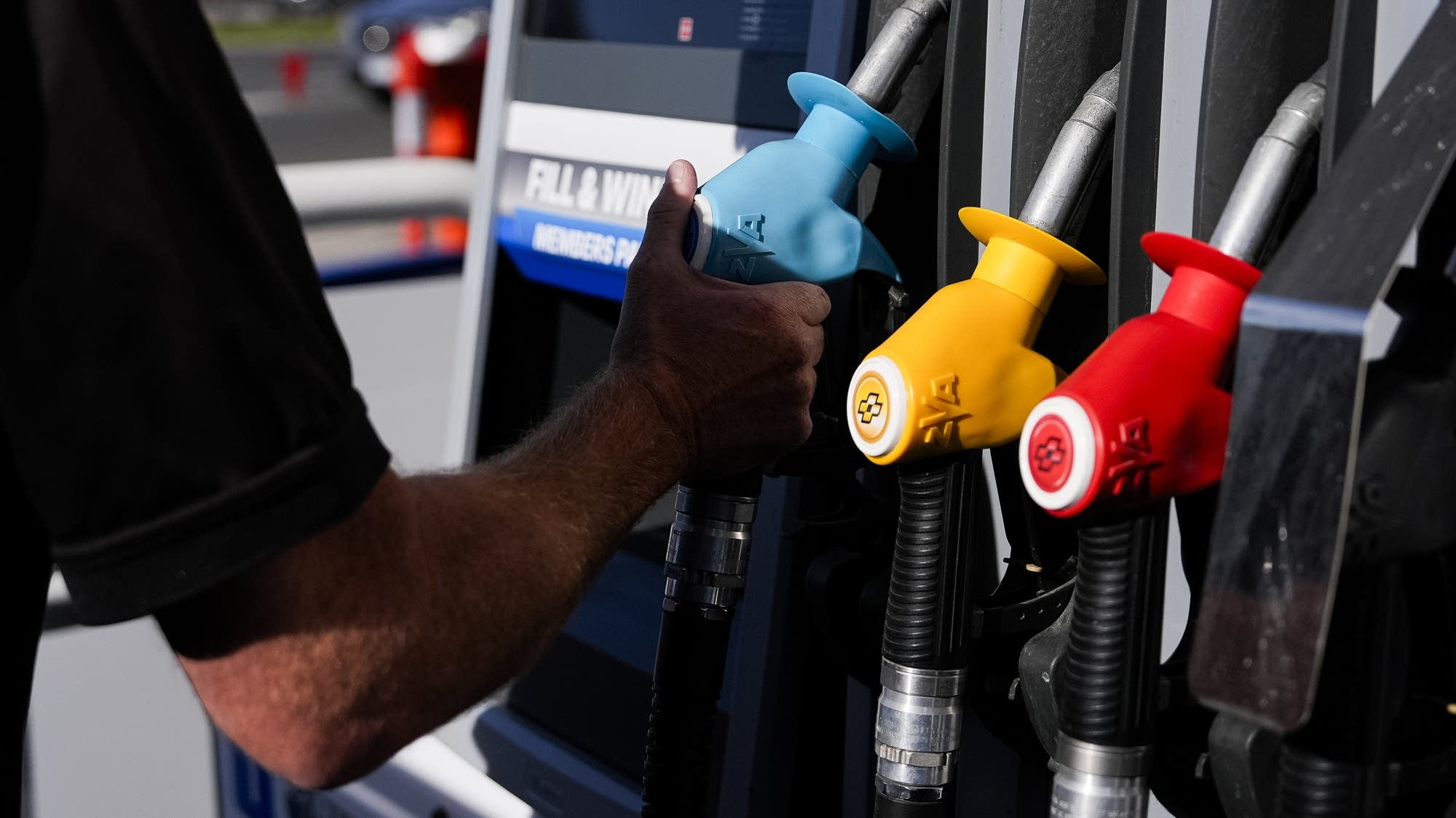
The article says the current energy shock is the largest supply disruption in history according to the IEA, prompting some countries to consider or extend gas and fuel price caps. South Korea extended fuel price ceilings for another two weeks, while TotalEnergies kept gas and diesel caps at its French stations through the end of April. The piece argues price caps can reduce shortages only when paired with rationing, wage controls, or subsidies, making the policy debate relevant for energy prices and inflation expectations.
Price caps are less an inflation cure than a mechanism for reallocating pain: they compress headline fuel inflation in the short run while transferring the bill to taxpayers, refiners, or station operators. The first-order effect is politically attractive, but the second-order effect is usually distorted consumption and a slower demand response, which can keep physical tightness elevated longer than the market expects. That makes the policy bearish for volume-sensitive downstream margins in the near term, but not necessarily bearish for the upstream complex if the cap simply delays demand destruction.
The clearest winner is the brand/operator with the strongest balance sheet and the most flexibility to absorb margin compression without losing share. TotalEnergies is the obvious case study: if caps remain voluntary or partially subsidized, larger integrated majors can use retail pricing as a customer-acquisition tool while independent stations get squeezed out. Over 1-2 quarters, that should support share gains for large incumbents at the expense of smaller distributors and import-dependent retailers, especially where governments resist full compensation.
The bigger macro risk is policy creep. Once one country normalizes caps, others with fragile consumers are incentivized to follow, which can turn a contained inflation problem into a supply-allocation problem across borders. The contrarian point: markets may be underpricing how much political cover these measures buy for governments to avoid more effective but unpopular policies like rationing, tax cuts, or targeted transfers. That means the cap headline is not necessarily a signal of easing energy stress; it may instead indicate that stress will persist for months because consumption is being artificially buffered.
From a trading perspective, the best expression is relative rather than outright directional. The policy should compress volatility in retail fuel prices while keeping crude geopolitically bid, which favors integrated majors and export-linked upstream names versus pure retail or consumer-discretionary exposure. The risk to that view is a fast policy reversal if fiscal costs spike or physical shortages force rationing, in which case downstream margins reprice violently higher and capped-market demand falls abruptly.
AI-powered research, real-time alerts, and portfolio analytics for institutional investors.
Request DemoOverall Sentiment
mildly negative
Sentiment Score
-0.15
Ticker Sentiment
