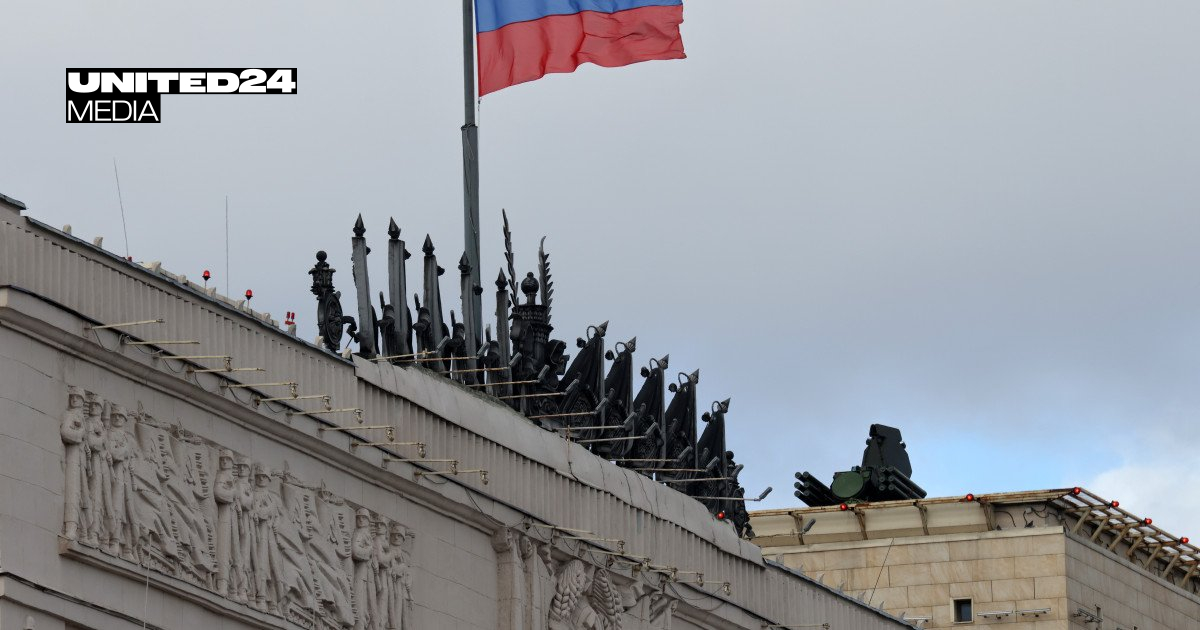
Russia has deployed at least four rooftop-mounted Pantsir air defense systems across Moscow, including a newly installed Pantsir-SMD-E at the Nord Star business center near the Kremlin. The installations are part of an expanded multi-ring air defense network intended to counter long-range drone attacks, with additional Pantsir, S-300, and S-400 coverage around the capital. The report suggests Russia is continuing to harden Moscow’s defenses by shifting and adding systems from other regions.
The market implication is not the rooftop hardware itself; it’s the growing evidence that Russia is forced to spend scarce, high-value interceptors and mobile systems on point defense around political centers rather than preserving depth coverage near the front. That creates a second-order vulnerability: every additional layer around Moscow likely tightens protection elsewhere, improving the odds that Ukrainian long-range drones and one-way attack systems can keep probing rear-area logistics, airfields, and fuel infrastructure over the next 3-6 months.
This is also a signal about cost asymmetry. A defender can harden a few symbolic nodes, but urban rooftop deployments are inefficient, manpower-intensive, and politically visible, which usually implies a reactive posture rather than a durable solution. If Russia is indeed redeploying assets from regional air defense belts, the next likely pressure point is transport hubs and industrial nodes farther from Moscow, where reduced coverage would be more operationally meaningful than any incremental protection of the Kremlin ring.
The contrarian takeaway is that this is not necessarily escalation; it may be a sign of constrained capacity. If Moscow’s leadership feels compelled to keep adding visible layers after more than a year of adaptation, the underlying threat may be proving harder to suppress than the state narrative suggests. That increases the probability of periodic disruption events rather than a clean one-time adjustment, with headline risk clustered around major drone salvos and around any evidence that high-end interceptors are being rationed.
For equities, the relevant trade is not broad defense beta but select beneficiaries of persistent counter-UAS and air-defense replenishment demand. The more asymmetric play is to own companies exposed to interceptor electronics, radar, EO/IR, and drone-defense software rather than legacy heavy platforms, because the spending pattern is shifting from platform procurement to layered point-defense retrofit and sustainment.
AI-powered research, real-time alerts, and portfolio analytics for institutional investors.
Request TrialOverall Sentiment
neutral
Sentiment Score
-0.05
