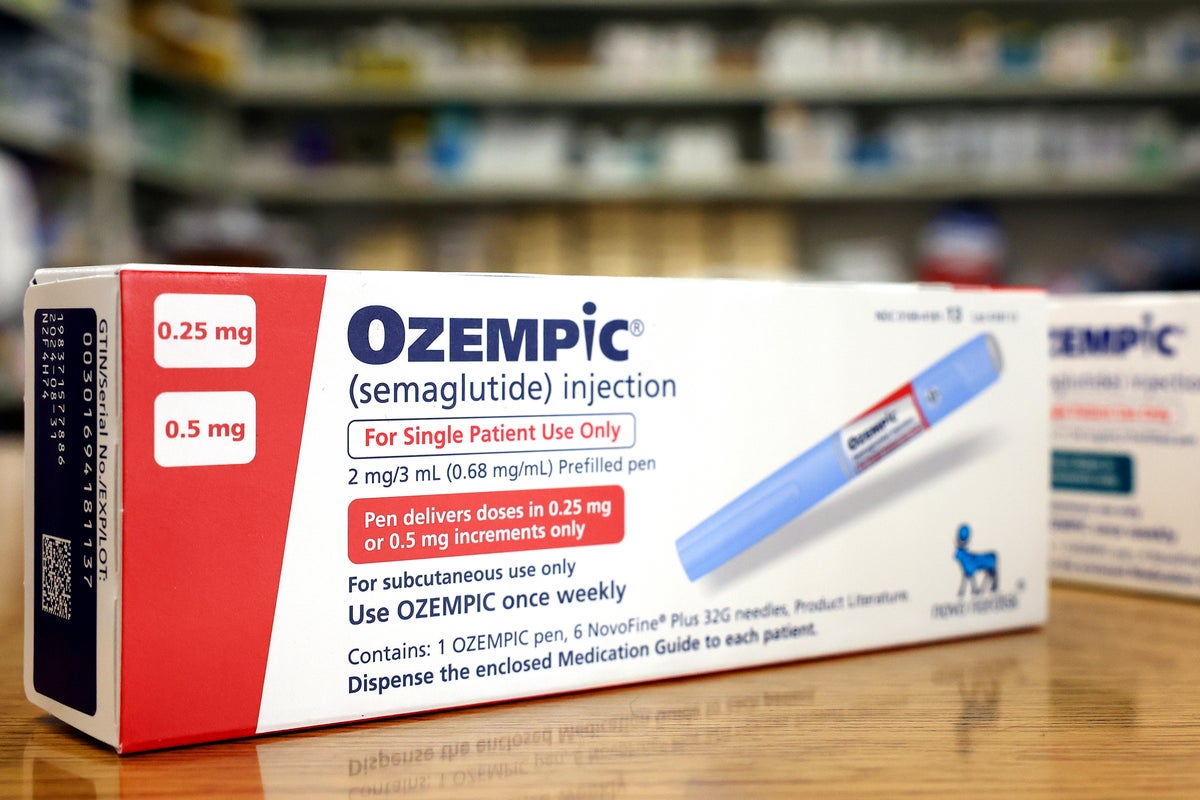
A study of more than 12,000 cancer patients found GLP-1 drugs such as Ozempic and Wegovy were associated with reduced cancer progression in six of seven stage 1-3 solid tumors, including statistically significant reductions in lung, breast, colorectal, and liver cancer. The largest effects were seen in lung cancer, where progression to stage 4 was 50% less likely, and breast cancer, where it was 43% less likely. The results are observational and do not prove causation, so the near-term market impact is limited but supportive for GLP-1 demand and broader biotech sentiment.
This is less a direct oncology read-through than an incremental proof point that GLP-1 penetration is becoming a broader healthcare platform event. The second-order beneficiary is not just the drug makers; it is the ecosystem that monetizes longer treatment duration, better chronic-disease control, and more downstream screening/diagnostic utilization if the signal is validated. If the association holds in prospective data, the market will likely re-rate GLP-1s from “metabolic” to “foundational risk-modifying therapy,” expanding total addressable duration and supporting premium multiples for the class.
The near-term winner set is asymmetric: branded GLP-1 manufacturers gain optionality, while DPP-4 exposure becomes strategically weaker because it is now being framed as the comparator in a story where it may represent the inferior long-horizon choice. More interestingly, the real economic impact could show up in adjacent beneficiaries such as oncology diagnostics, imaging, and trial-enrollment platforms, because any signal of delayed progression increases surveillance intensity and creates a larger funnel for early intervention. A multi-quarter lag is likely before any of this reaches earnings, but sentiment can move in days.
The key risk is over-interpretation. This is observational, so the largest hedge-fund mistake would be paying up for the entire obesity/oncology narrative before randomized evidence arrives; that creates event risk if future studies wash out. Still, even a partial validation would extend the GLP-1 growth runway by years, because payers are more willing to reimburse therapies that demonstrate downstream cost offsets beyond weight loss and glycemic control.
Contrarian angle: the market may underprice the supply-chain consequence rather than the headline science. If GLP-1s become entrenched in oncology-adjacent care, demand elasticity could tighten again, supporting better pricing power for the leaders and raising the bar for biosimilar/compounding pressure to matter. The cleaner trade is not a broad biotech beta bet, but a selective long in the dominant GLP-1 franchise versus weaker diabetes incumbents or a hedge via payer sensitivity if reimbursement scrutiny rises.
AI-powered research, real-time alerts, and portfolio analytics for institutional investors.
Request DemoOverall Sentiment
mildly positive
Sentiment Score
0.20
