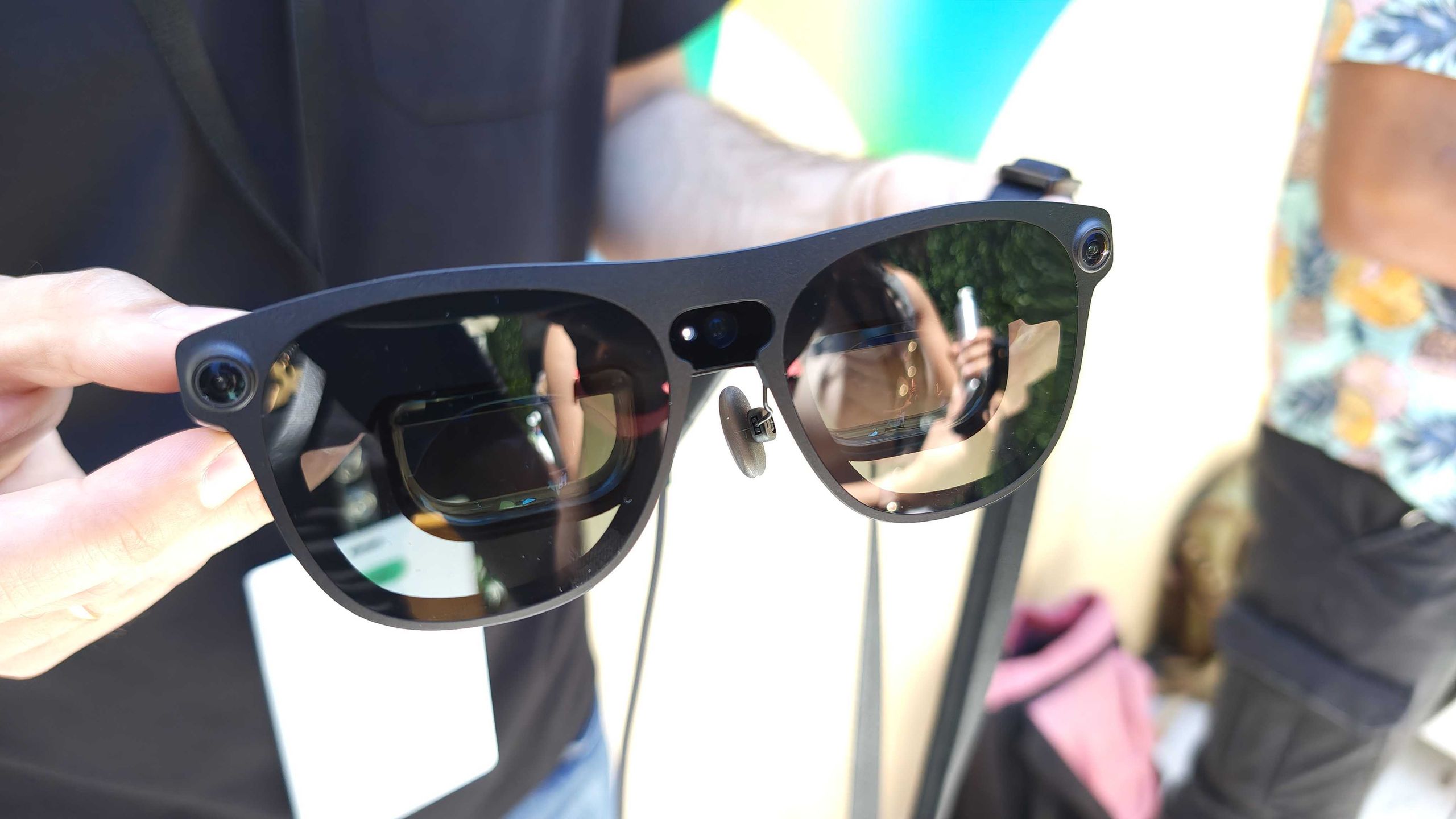
Xreal Project Aura is expected to debut commercially later this year, bringing a 70-degree field of view, dual displays, spatial tracking, hand tracking, and Gemini integration to an Android XR smart-glasses form factor. The device uses a separate compute puck with battery and Snapdragon processor to keep the glasses lighter, and Xreal plans to give the first 1,000 devkits away for free. The announcement is constructive for Xreal and the emerging Android XR ecosystem, but near-term market impact should be limited because pricing and final release timing are still undisclosed.
This is less about one product launch and more about a potential re-rating of the Android XR ecosystem from “device novelty” to “platform architecture.” The puck-based design matters because it shifts the bill of materials, thermal load, and battery constraints off the glasses and into an upgradeable compute node, which should lower iteration risk and accelerate developer adoption. If Google can seed enough devkits and keep the software stack stable, the bigger winner is GOOGL: a new XR surface creates another distribution layer for Gemini, app engagement, and ad/search adjacency without needing to win the headset hardware war outright.
The second-order effect is competitive pressure on incumbents selling heavier all-in-one headsets and on lighter display glasses that depend on tethered compute. A credible “glasses-first” XR workflow compresses the gap between mainstream wearables and headsets, which could pull demand from premium VR devices over the next 6-18 months while also forcing component suppliers to optimize for low-power displays, camera modules, and edge NPUs. ROG’s relevance is more tactical: if this category takes off, accessory/PC-gaming positioning gains optionality, but the launch also increases the odds that other hardware brands get boxed into a race to the bottom on features and margins.
The contrarian read is that the market may be underestimating execution friction, not product appeal. Spatial computing needs a software moat, and free devkits do not guarantee a killer app; the near-term risk is that early devices become expensive demo gear rather than mass-market consumer products. Over 3-12 months, the stock-level catalyst for GOOGL is not unit sales but evidence of Android XR engagement, while the main reversal risk is a launch slip, weak developer uptake, or Android XR fragmentation across partners.
The setup is asymmetric because even modest adoption can validate a broader ecosystem, but disappointment would likely hit the category hard. In that sense, this is a better “platform call” than a pure hardware call: upside comes from ecosystem leverage, while downside is concentrated in delay and software inertia rather than hardware specs alone.
AI-powered research, real-time alerts, and portfolio analytics for institutional investors.
Request DemoOverall Sentiment
mildly positive
Sentiment Score
0.35
Ticker Sentiment
