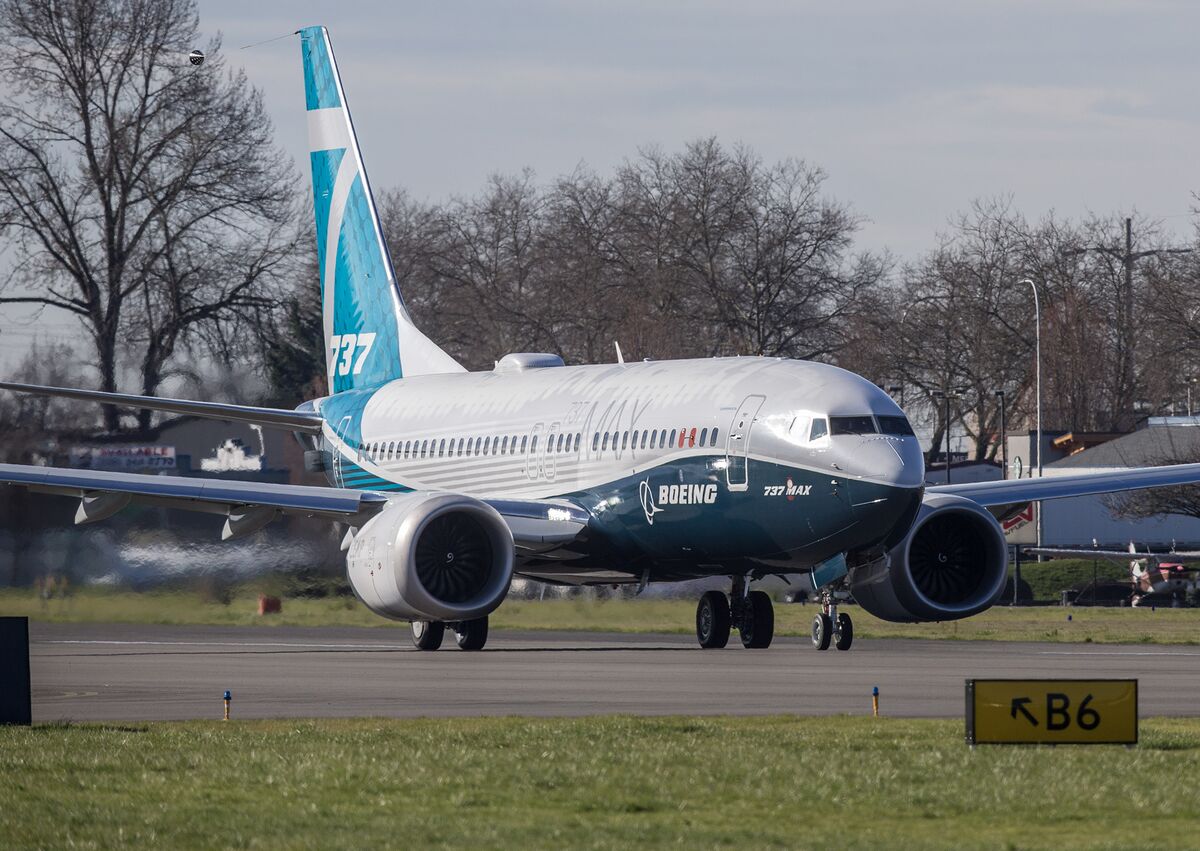
FAA Administrator Bryan Bedford said the agency currently sees no issues that would prevent Boeing’s 737 Max 7 and Max 10 from achieving certification by the end of 2026. The update reduces near-term regulatory uncertainty around the aircraft program. While not a formal approval, the comment is a modest positive for Boeing and its narrowbody delivery outlook.
The market is likely underappreciating how much of the aerospace equity overhang was self-inflicted by certification uncertainty rather than end-demand. A cleaner regulatory path reduces the probability of another multi-quarter slip, which matters because Boeing’s valuation still embeds a meaningful discount for execution risk; even a modest de-risking can re-rate the stock before any delivery step-up shows up in cash flow.
The second-order winner is the supply chain, especially tier-1 and tier-2 suppliers tied to the re-rate of narrowbody output. If certification confidence holds, investors should start rotating from “delay optionality” names into leverage-to-production names that benefit from a steadier build curve, while less efficient competitors in the single-aisle space lose some share narrative if customers stop pricing in extended Boeing slippage.
The key risk is that certification is not binary: one additional issue, software fix, or documentation problem can push timelines by quarters and revive the multiple compression. That makes the next 1-3 months the critical window for sentiment, while the real P&L impact on deliveries, free cash flow, and supplier order books is a 6-18 month story. The contrarian read is that the positive surprise may be less about Boeing’s fundamentals and more about the market’s embedded skepticism being too extreme; if so, the stock can outperform without needing a dramatic change in operating performance.
AI-powered research, real-time alerts, and portfolio analytics for institutional investors.
Overall Sentiment
mildly positive
Sentiment Score
0.20
Ticker Sentiment
