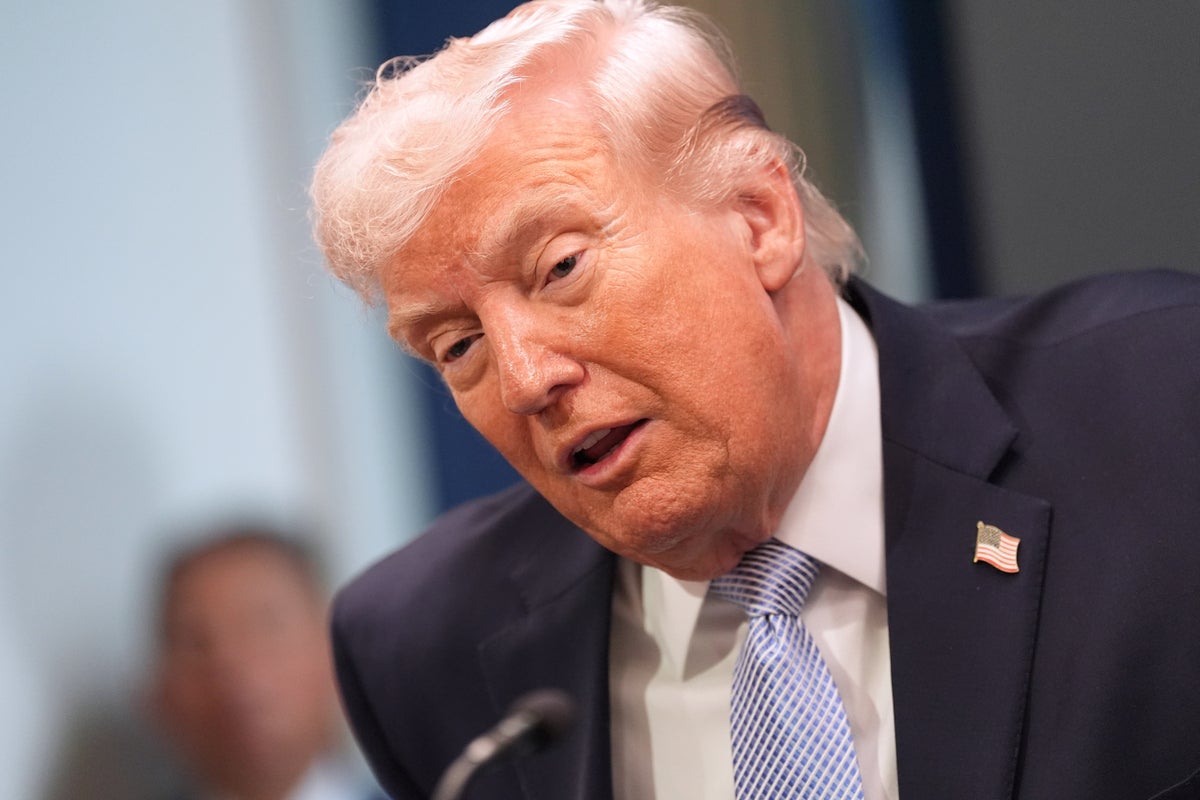
President Trump publicly warned of “bigger, and better, and stronger” attacks on Iran if a “REAL AGREEMENT” is not reached, while a two-week ceasefire was announced late Tuesday. Iran has limited ship passages through the Strait of Hormuz—threatening global crude flows—and Israel struck over 100 targets in Lebanon in ten minutes, raising the risk of wider regional escalation. Peace talks are scheduled in Islamabad this weekend with JD Vance leading the U.S. delegation; elevated geopolitical risk is likely to be hawkish for oil prices and depress risk assets.
The current hawkish rhetoric materially raises short-term probabilities of kinetic or asymmetrical disruption to maritime chokepoints and energy exports over the next days-to-weeks, which in turn increases realized volatility in Brent/WTI and freight rates. Expect immediate knock-on effects in shipping insurance premiums and tanker charter rates (time-charter), which act like a non-linear tax on delivered crude — each 10% rise in TC rates has historically translated into a $1–$3/bbl effective uplift to delivered cost in tight routes.
Defense/national-security suppliers are the closest-term beneficiaries: procurement levers (spare parts, munitions, airframe maintenance) have multi-month lead times, so revenue recognition bumps are front-loaded in the 1–6 month window while margin expansion persists if sustained demand forces overtime and premium contracting. Conversely, sectors with long, just-in-time global supply chains (autos, semiconductors) and passenger airlines are exposed to two-layer risk — direct fuel-cost shocks and logistics rerouting that can add 3–8% to component lead-time and input cost in 1–3 months.
The highest-conviction range of outcomes is binary: de-escalation via credible diplomacy (weeks) collapses premium-sensitive trades; sustained tit-for-tat escalation drives oil and defense equity outperformance for quarters. Tail risks include Iran-aligned asymmetric attacks on infrastructure (cyber or maritime mines) or retaliatory strikes that trigger sanctions cascades; those scenarios are low-probability but high-impact and justify small, liquid hedges rather than large directional bets.
AI-powered research, real-time alerts, and portfolio analytics for institutional investors.
Request DemoOverall Sentiment
strongly negative
Sentiment Score
-0.75
