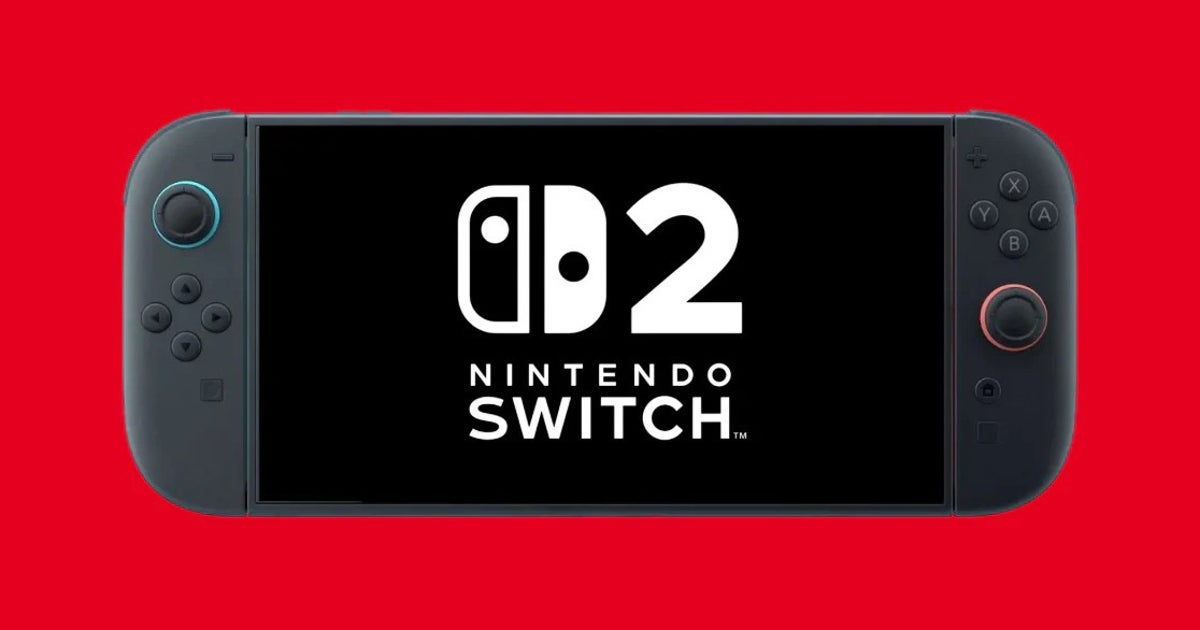
Nintendo shares are down almost 9% over the past five days and 14.7% over the past month after President Shuntaro Furukawa said higher hardware prices will "raise the barrier to purchase" for Switch 2. Management is framing the pricing move as a tradeoff, emphasizing gameplay value and new titles to support demand. The company also said its full-year results showed substantial growth in net sales and profits, but that US, Japan, Canada and Europe price increases reflect changes in market conditions.
The market is treating pricing as a demand shock, but the more important signal is management conceding that the next cycle depends on software pull-through rather than hardware unit elasticity. That shifts the burden to attach rate, first-party hit rate, and willingness of third-party publishers to subsidize an installed base that may arrive more slowly and at a higher acquisition cost. In practice, that tends to compress the near-term multiple on the hardware cycle while widening the dispersion between best-in-class content owners and everyone else exposed to the console ecosystem.
The second-order risk is not just fewer units sold; it is a slower ramp that delays the operating leverage investors were underwriting from the launch cycle. A one-quarter slip in hardware momentum can cascade into weaker accessory sales, less favorable channel inventory, and softer royalty economics for partners that planned around a faster install base build. If the price increase is global, the downside is amplified in price-sensitive regions where replacement demand is less forgiving, making the issue a 6-12 month execution test rather than a one-day headline.
The contrarian view is that the selloff may be overstating the long-run damage if software remains genuinely differentiated. Console cycles with strong exclusives often tolerate higher entry prices than the market assumes, especially when the alternative is a lower-priced device with lower engagement and weaker monetization. If early attach-rate data or preorder commentary confirms that premium buyers are willing to pay for the content ecosystem, the current drawdown could reverse quickly as investors reprice the launch as a margin-preserving scarcity story rather than a volume miss.
From a trading standpoint, this is a better short-pair candidate than an outright directional short because the core question is relative winners from slower hardware adoption, not whether the franchise has terminal value. The key catalyst window is the first 30-90 days of launch commentary, when preorder data, retailer sell-through, and third-party engagement will reveal whether the price hike is a manageable hurdle or a structural adoption tax.
AI-powered research, real-time alerts, and portfolio analytics for institutional investors.
Request DemoOverall Sentiment
mildly negative
Sentiment Score
-0.28
