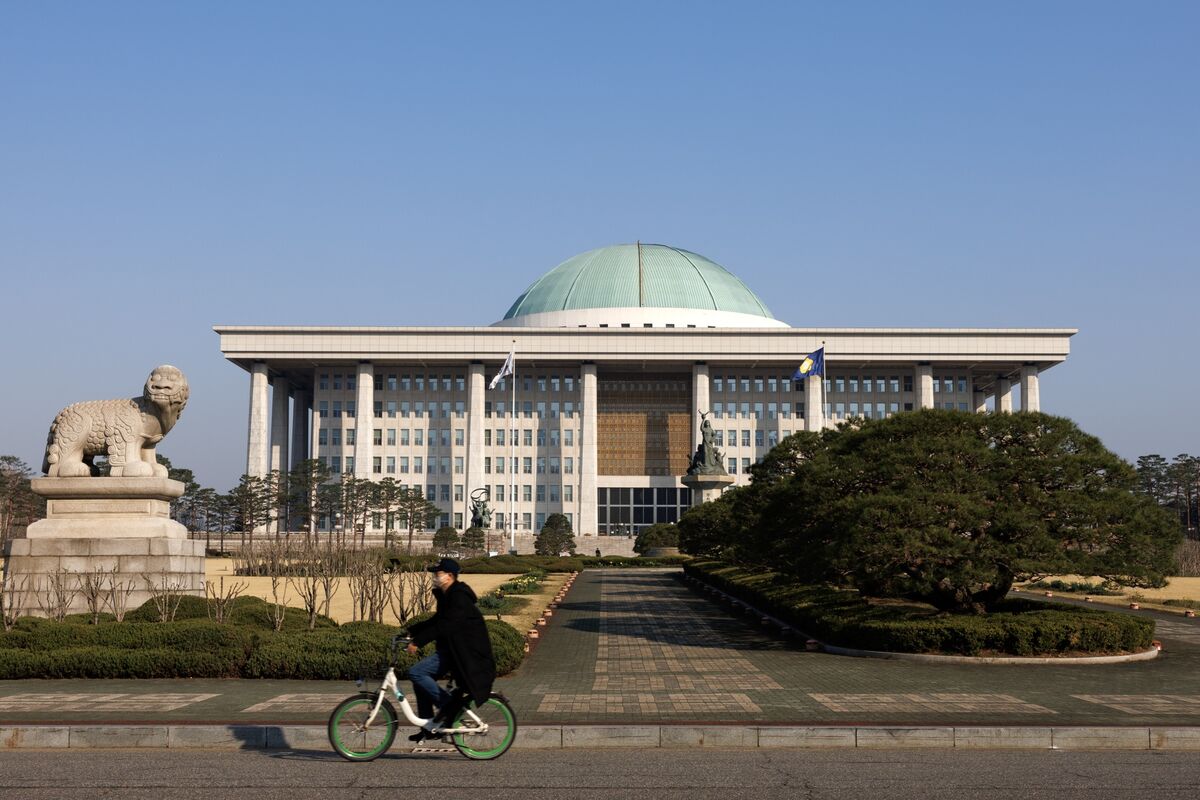
A South Korean lawmaker has proposed a bill to significantly heighten disclosure requirements for private equity funds (PEFs), eliminating current exemptions and mandating quarterly asset management reports. This initiative, part of a broader push for tighter industry oversight, would increase regulatory burdens and transparency for PEFs operating in Korea, potentially impacting their operational flexibility and investment strategies.
A legislative proposal from a lawmaker in South Korea's ruling Democratic Party introduces significant regulatory risk for the nation's private equity sector. The bill aims to heighten transparency by removing existing disclosure exemptions for private equity funds and mandating quarterly asset management reports, aligning their requirements more closely with those for funds open to retail investors. This potential shift reflects a broader political movement towards tighter industry oversight and, if enacted, would directly increase compliance burdens and operational costs for buyout firms. The moderately negative sentiment is justified as increased regulation could constrain the operational flexibility and potentially impact the return profiles of funds that have historically benefited from a lighter disclosure regime.
AI-powered research, real-time alerts, and portfolio analytics for institutional investors.
Request DemoOverall Sentiment
moderately negative
Sentiment Score
-0.50
