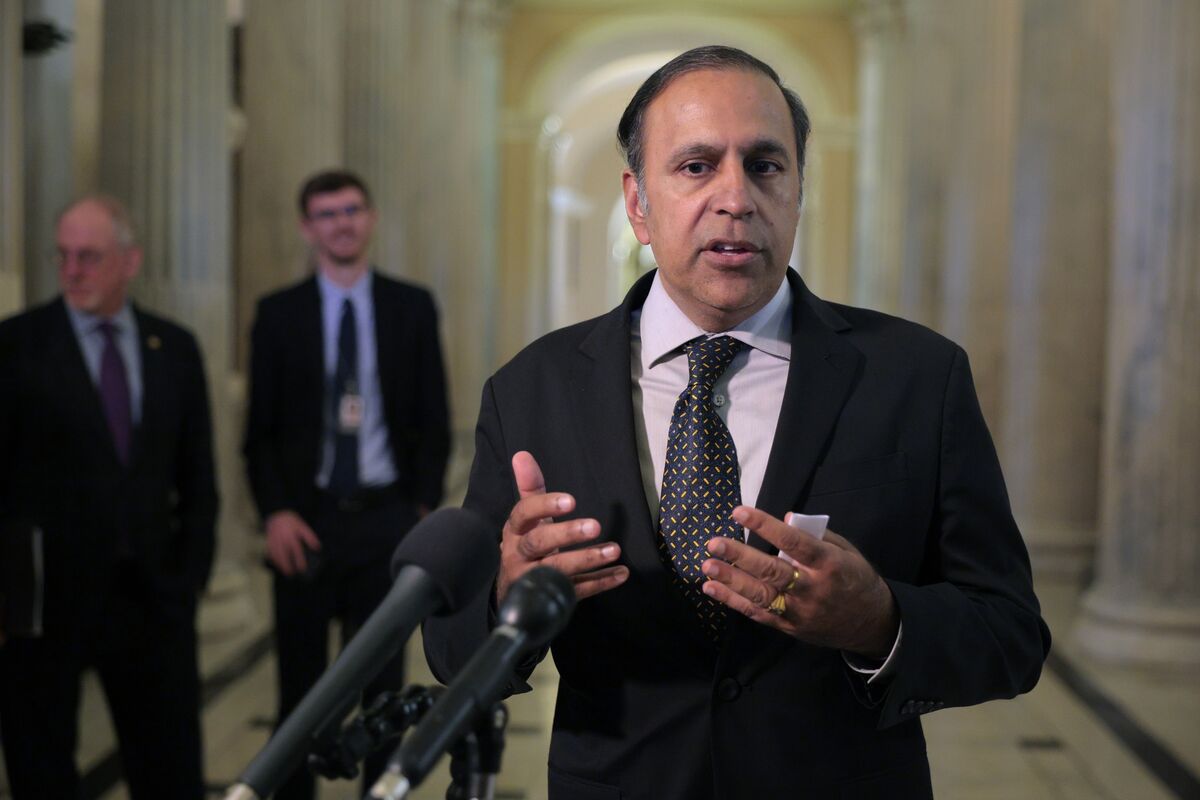
Representative Raja Krishnamoorthi, a leading Democrat on the House China committee, has warned that a new Chinese visa program threatens to poach US tech talent, undermining American economic competitiveness. This concern arises as the Trump administration proposes stricter immigration rules, including a $100,000 H-1B visa fee and limits on foreign graduate student stays, potentially driving skilled workers abroad and impacting the US's technological leadership.
A new Chinese visa program is actively targeting US tech talent, creating a competitive threat to American innovation. This development is exacerbated by proposed stricter US immigration policies, including a $100,000 H-1B visa fee and limits on foreign graduate student stays, which Representative Raja Krishnamoorthi warns could imperil US economic competitiveness.
The "moderately negative" sentiment and "pessimistic" tone surrounding these policy shifts reflect concerns about a potential brain drain from the US technology sector. This geopolitical dynamic could impact the long-term growth prospects of US technology firms and national security interests by diverting critical human capital.
While no specific tickers are identified, the market impact score of 0.55 indicates a notable concern for industries reliant on skilled labor and innovation. Investors should recognize the increasing global competition for high-skilled talent as a material factor influencing future economic leadership and corporate performance.
AI-powered research, real-time alerts, and portfolio analytics for institutional investors.
Request DemoOverall Sentiment
moderately negative
Sentiment Score
-0.50
