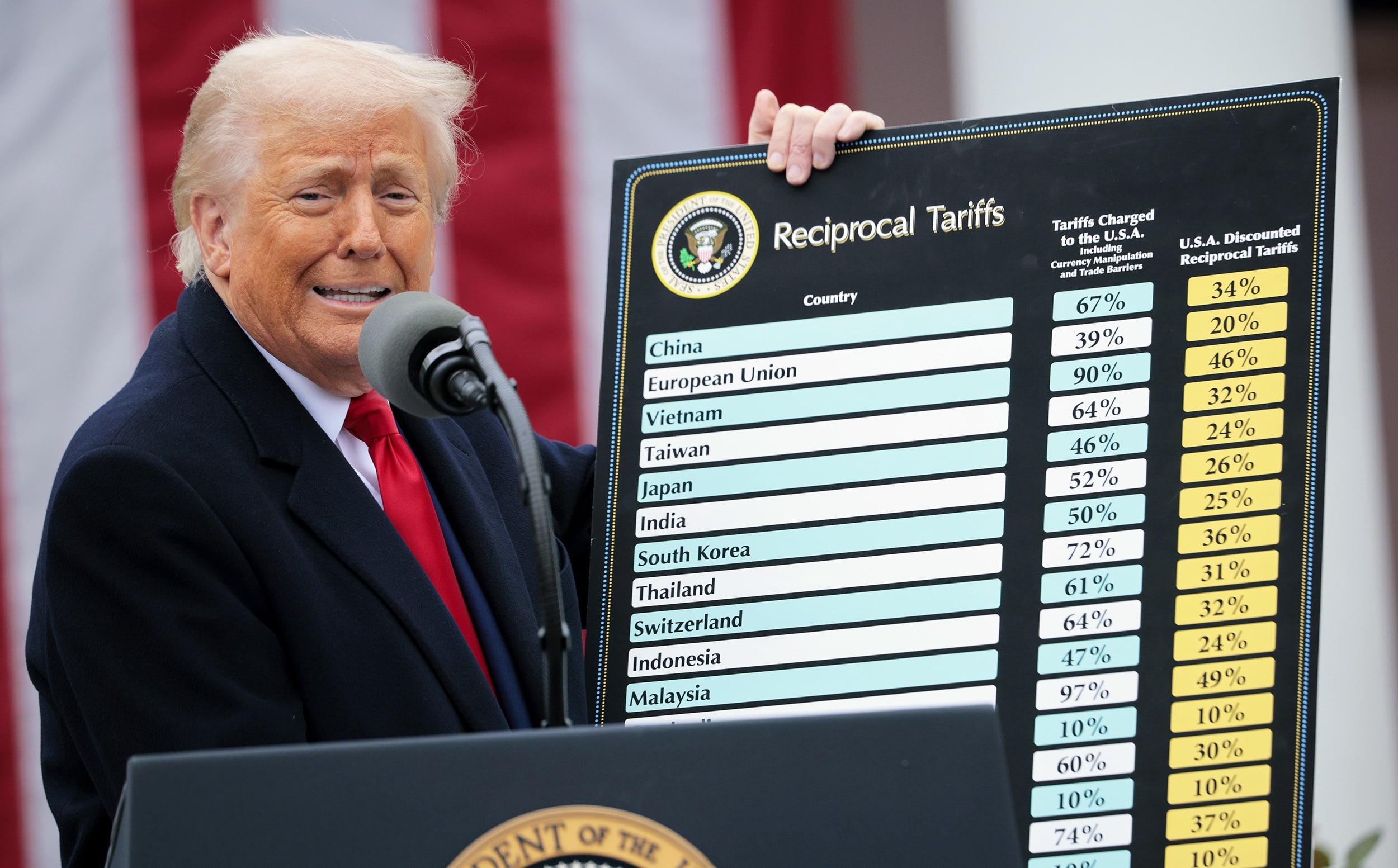
The Supreme Court ruled that President Trump’s emergency tariffs were illegal, and Judge Richard Eaton of the U.S. Court of International Trade has issued an order setting the framework for refunds in the Atmus Filtration case. The administration has acknowledged it must pay interest on refunds, and a Cato Institute estimate pegs tariff interest at roughly $23 million per day; Eaton said all companies subject to the now-invalid tariffs are entitled to relief and indicated he will centrally handle refund claims, though the administration appears likely to appeal.
Market structure: The court order that all importers are eligible for refunds plus interest (Cato estimate ~$23M/day) is a clear positive for import-heavy corporates (retailers, consumer electronics, apparel) and small plaintiffs like ATMU; domestic protected suppliers (steel, some appliances) face margin pressure. Expect a reversion of a portion of previously tariff-driven price pass-through into lower COGS over 1–12 months, reducing pricing power for protected incumbents and increasing gross margins for importers by an estimated 50–300 bps depending on tariff share.
Risks & timing: Immediate (days) — headline volatility and rallies in plaintiff names; short-term (weeks–months) — Treasury/Tariff refund mechanics, appeal risk, and administrative backlog determine cash flow timing; long-term (quarters–years) — policy reversals or new tariffs around elections. Tail risks: an expedited executive appeal that stalls refunds for >6–9 months (material to small caps), or Congress altering interest liabilities; hidden dependency is administrative capacity to process refunds which can stretch liquidity impacts.
Trade implications: Favor long import-exposed equities and small plaintiffs with direct legal wins (ATMU) and short domestic producers that benefited from tariffs (steel/metal names) while hedging macro via duration. Options: use 3–6 month call spreads on large-cap retailers (WMT, HD, TJX) to capture margin tailwinds; buy Treasury duration (TLT) if market starts pricing disinflation from tariff unwind.
Contrarian view: Market may underprice the speed and magnitude of refunds — plaintiffs with clear rulings (Atmus-style) get outsized gains quickly; conversely, broader retail upside may be muted if refunds are slow or absorbed into lower consumer prices rather than margins. Historical parallels (tariff reversals in 2000s) show winners are concentrated; position sizing should reflect legal-timing uncertainty.
AI-powered research, real-time alerts, and portfolio analytics for institutional investors.
Request TrialOverall Sentiment
mildly negative
Sentiment Score
-0.25
Ticker Sentiment
