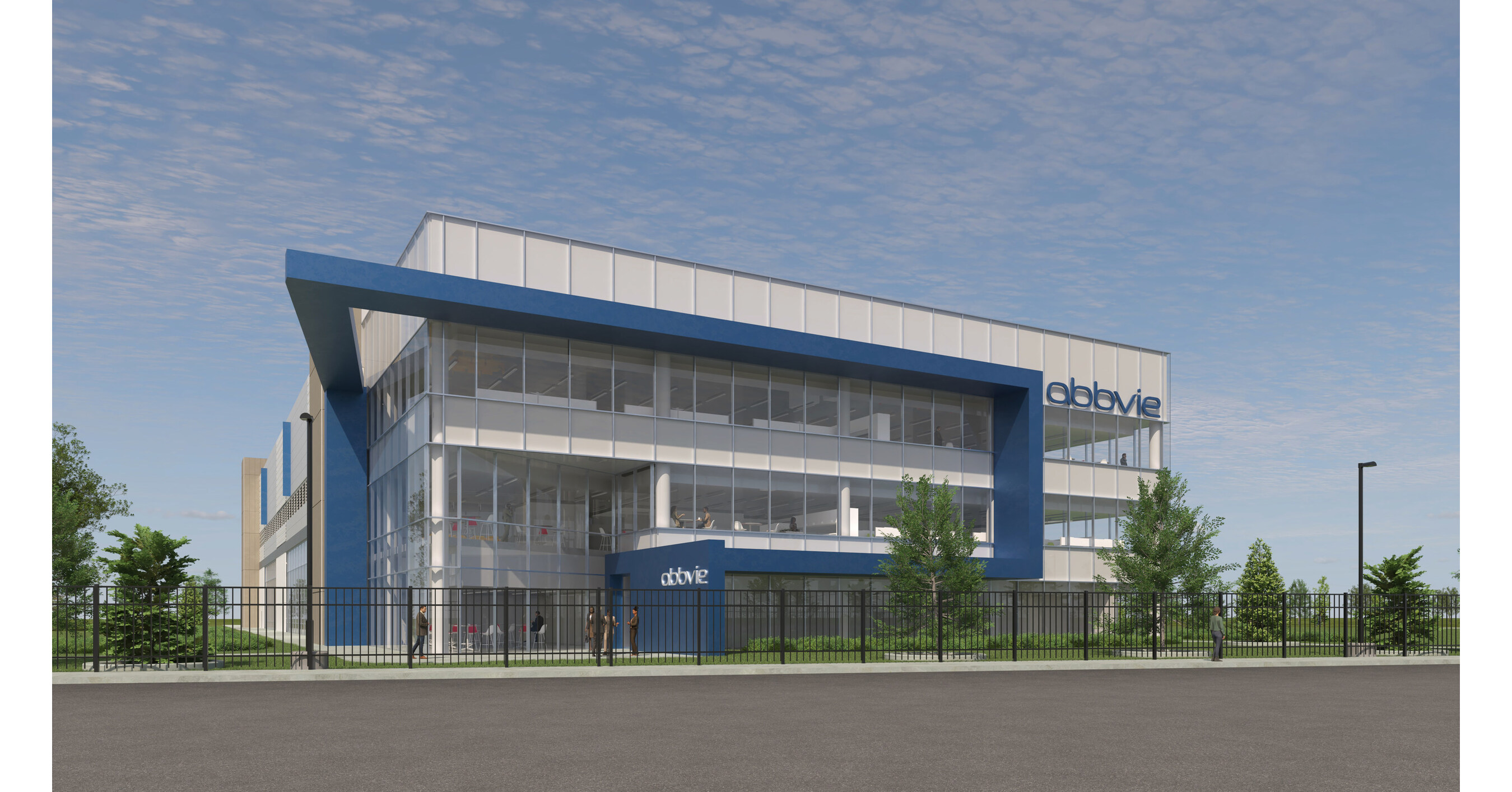
AbbVie is investing $380 million to build two new API manufacturing facilities at its North Chicago campus, integrating advanced manufacturing and AI to support next‑generation neuroscience and obesity drugs; construction begins spring 2026 with commercial operation targeted for 2029. The project will add approximately 300 jobs and is part of AbbVie's broader U.S. capital/R&D push (cited $100 billion over the next decade) and a recent initiative to repatriate select API production from Europe and Asia, alongside other planned manufacturing investments and an Arizona device‑facility acquisition.
Market structure: AbbVie's $380M API buildout (operational 2029) benefits ABBV (ABBV) via supply security, IP control and potential 2–5% COGS upside on targeted small‑molecule lines over 3–5 years; US regional suppliers (chemical intermediates, automation/AI vendors) and select domestic CDMOs stand to win near-term. Offshore API merchants in India/China and some third‑party CDMOs risk losing incremental volume; pricing power for AbbVie's new neuroscience/obesity launches improves marginally but only if pipeline readouts succeed.
Risk assessment: Key tail risks are clinical or regulatory failure that leaves capacity underutilized, construction/AI integration delays to 2030+, or adverse FDA findings — each could strand $380M+ and depress ROIC by 50–200 bps. Near term (days–months) market impact is muted; medium term (6–18 months) depends on state incentives and hiring execution; long term (2029+) benefits material if utilization >70% and the pipeline delivers.
Trade implications: Tactical trade is long ABBV (2–3% portfolio) financed via a 12‑month call spread (ATM long, +20% short) to capture re‑rating from pipeline catalysts; pair trade long ABBV / short Catalent (CTLT) ~1.6:1 size to express insourcing risk to CDMOs over 12–36 months. Hedge with a small 9–12 month 10% OTM put position (0.5% portfolio) ahead of key readouts; rotate into large‑cap US pharma and trim exposure to offshore API suppliers.
Contrarian angles: Consensus underweights stranded‑asset risk — $380M is modest but strategic: if the neuroscience/obesity programs stall, AbbVie carries higher fixed cost and lower ROIC. Historical parallels show capex announcements without near‑term revenue lead to multi‑year underperformance; cap utilization thresholds (target >60–70%) should be monitored closely as a sell/hedge trigger.
AI-powered research, real-time alerts, and portfolio analytics for institutional investors.
Request DemoOverall Sentiment
mildly positive
Sentiment Score
0.30
Ticker Sentiment
