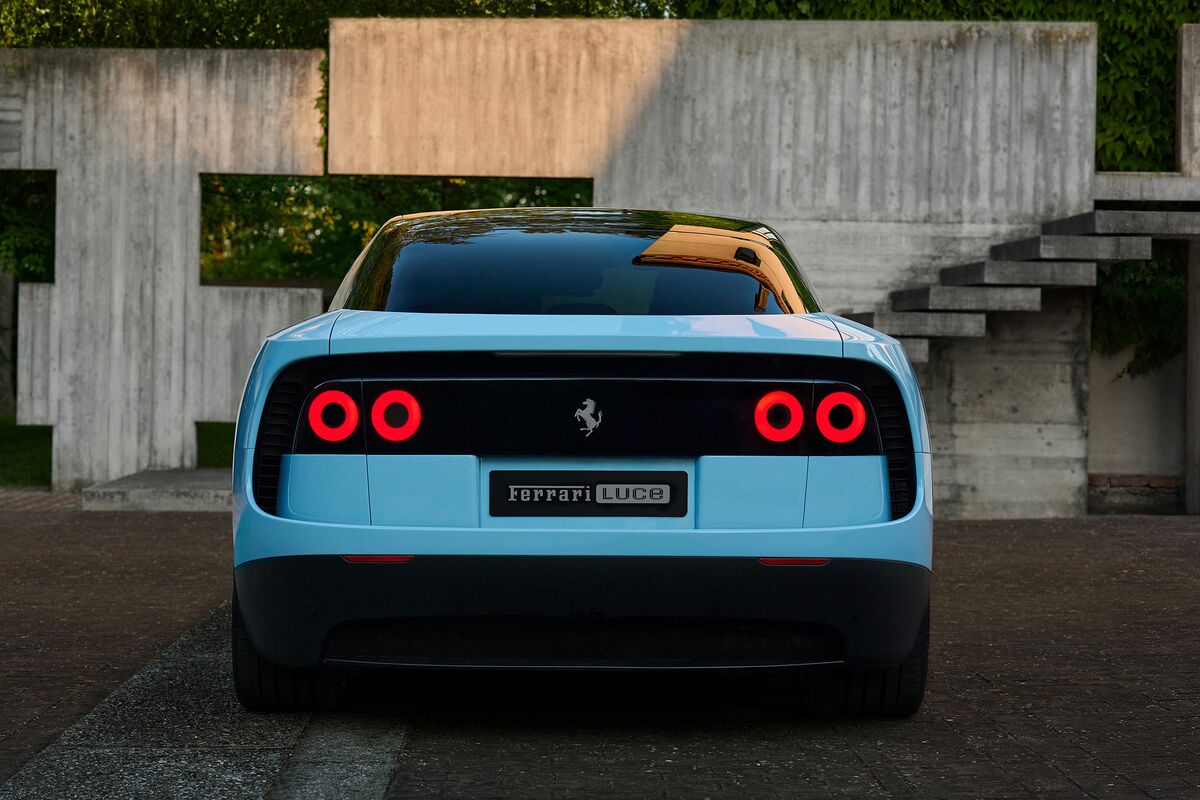
Ferrari’s first electric car, the €550,000 Luce, drew a lukewarm reaction from investors and criticism over its styling, with comparisons to more mass-market models. The article suggests a negative sentiment around the launch, but it contains no financial results or operational metrics. Market impact is likely limited to Ferrari shares and broader EV-luxury sentiment.
The immediate read-through is less about one launch and more about how fragile Ferrari’s premium multiple is when the market starts treating its EV transition like a volume product problem instead of a brand-extension story. A lukewarm reception to the design matters because Ferrari’s equity case depends on scarcity, pricing power, and cultural cachet; if buyers start viewing the EV as “just another expensive EV,” the market will haircut the implied optionality on future electrification and margin durability.
Second-order, this is more damaging to sentiment than near-term earnings. The company can probably protect 2025–26 numbers with order books and customization mix, but a mis-executed first EV raises the probability that future launches require heavier marketing spend, more conservative production, or slower EV penetration to avoid brand dilution. That shifts the risk from unit economics to narrative erosion, which can compress the multiple before any fundamental revisions show up.
The competitive signal is more important than the product itself: luxury incumbents will be watching whether ultra-high-priced EV buyers care more about badge and performance than aesthetics, and that has implications for Porsche, Aston Martin, and the broader premium EV stack. If Ferrari stumbles on design, it reinforces a broader concern that legacy luxury automakers may struggle to translate ICE desirability into EV desirability without sacrificing identity. Supply-chain beneficiaries are limited, but the main loser is the premium EV thesis that assumes luxury names can command an automatic halo.
The contrarian view is that the market may be overreacting to first-impression criticism. For a Ferrari buyer, design complaints on day one may not matter if the car is allocation-constrained and serves as a signaling good; the real test is whether deposits and waiting lists hold over the next 1–2 quarters. If the launch sells out quickly, today’s negative tone becomes a buying opportunity because the stock is likely discounting a reputation hit that may never translate into revenue damage.
AI-powered research, real-time alerts, and portfolio analytics for institutional investors.
Request DemoOverall Sentiment
mildly negative
Sentiment Score
-0.25
Ticker Sentiment
