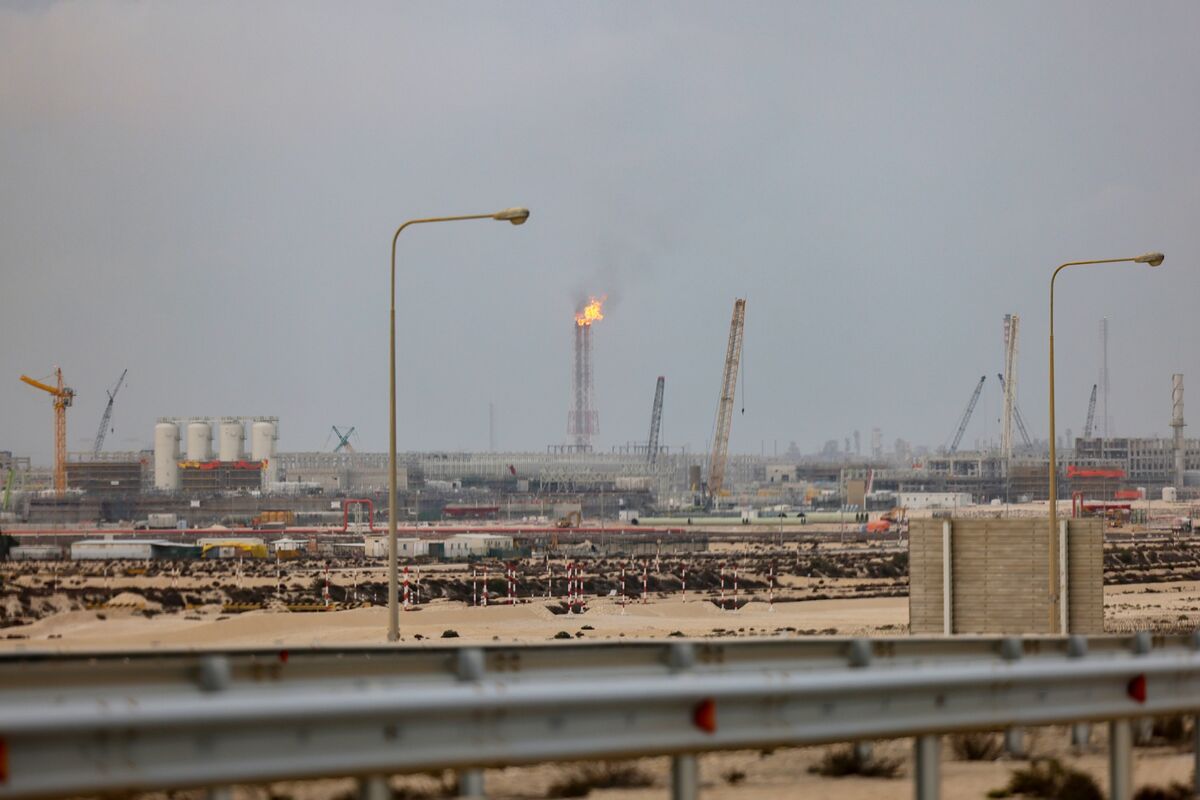
European gas futures surged as much as 35% and Brent crude rose to about $117/bbl after escalating attacks in the Persian Gulf threatened major energy facilities. The move signals heightened supply risk and potential sustained upward pressure on energy prices, creating inflationary and growth headwinds while boosting volatility and favoring energy producers over energy-intensive sectors.
Attacks on Gulf energy infrastructure create a bifurcated shock: an acute operational shortage of export capacity (days–weeks) layered on top of a potential structural loss of processing capacity (months–years) if facilities are physically damaged. That combination amplifies premium formation in prompt markets while steepening front-end curves and reallocating global LNG/ crude flows; markets that can flex supply quickly (US LNG, VLCC tanker fleets) capture most of the near-term scarcity rent.
Second-order effects will show up in insurance, financing and contracting: underwriters raise war-risk premia, project lenders demand higher contingencies, and long-lead capital projects for onshore or diversified reception terminals accelerate. That increases capex and raises marginal cost for new supply, which can keep forward prices elevated even after spot normalizes; expect service providers and modular midstream builders to see multi-quarter procurement spikes.
Catalysts that reverse the move are clear and tiered by horizon: diplomatic de-escalation or a coordinated SPR/LNG release can unwind prompt premiums in days–weeks; rapid repair and rerouting of tankers can restore flows in weeks–months; by contrast, terminal destruction or protracted denial-of-access to export zones implies 6–24+ month structural tightening. Tail risks include attacks on LNG liquefaction trains, which would shift the problem from a price shock to persistent capacity loss.
Positioning should reflect this asymmetric horizon: capture prompt scarcity via front-month exposures and shipping, but hedge the binary tail of physical damage with limited-risk option structures. Don’t confuse headline-driven volatility with a durable demand shock — the trade is to monetize dislocations in the forward curve and logistics, not to bet permanently higher global demand.
AI-powered research, real-time alerts, and portfolio analytics for institutional investors.
Request DemoOverall Sentiment
strongly negative
Sentiment Score
-0.60
