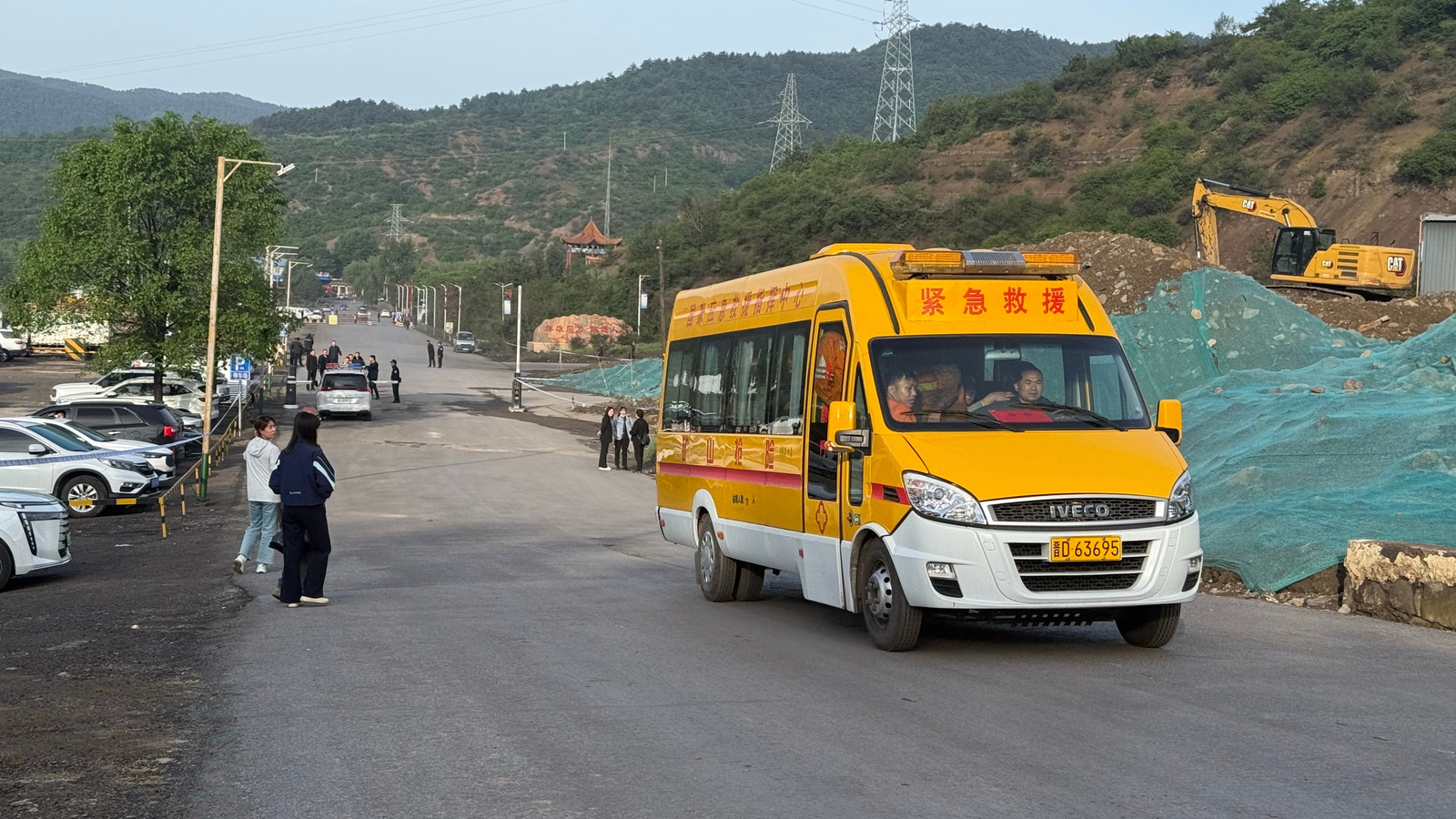
At least 90 people were killed and more than 120 hospitalized after a gas explosion at the Liushenyu coal mine in Shanxi, China, with nine miners still missing as of Saturday afternoon. The mine, operated by Shanxi Tongzhou Coal & Coke Group, had been flagged in 2024 for high gas content and was producing 1.2 million tons annually. The incident is the deadliest mining accident in China in recent years and is under investigation, with company officials placed under control.
This is less a single-asset shock than a structural reminder that China’s coal supply chain has a fat-tailed regulatory risk premium. The first-order hit is to local output, but the larger second-order effect is that every major incident hardens policy scrutiny on gas-rich mines, which raises inspection intensity, shutdown risk, and compliance capex across Shanxi and other interior basins. That tends to favor better-capitalized, lower-gas-content producers and integrated utilities that can pass through procurement costs, while squeezing marginal miners and traders with thin balance sheets.
The market-relevant transmission is thermal coal and power economics: even a temporary disruption can tighten domestic seaborne coal demand at the margin if Chinese buyers scramble for replacement tons, supporting benchmark pricing in the near term. The more important medium-term effect is on Chinese industrial risk appetite and credit conditions in mining-heavy regions, where lenders may become more selective, increasing refinancing pressure for smaller operators over the next 1-3 quarters. If regulators respond with mine closures or production audits, the supply impact could outlast the immediate rescue window by months rather than days.
Contrarian take: the consensus may overestimate the durability of any price spike because China has shown a pattern of using administrative levers to offset shortages once safety overhang stabilizes. That means the best trade is not a blind long on coal, but a relative-value expression on quality versus fragility. In a broader EM lens, this also modestly supports infrastructure-safety and industrial automation themes, since accident scrutiny typically accelerates capex in monitoring, ventilation, and remote operations. The tail risk is policy overreaction: if Beijing orders system-wide inspections, output could fall enough to move domestic power costs and squeeze heavy industry margins for several months.
AI-powered research, real-time alerts, and portfolio analytics for institutional investors.
Request DemoOverall Sentiment
extremely negative
Sentiment Score
-0.90
