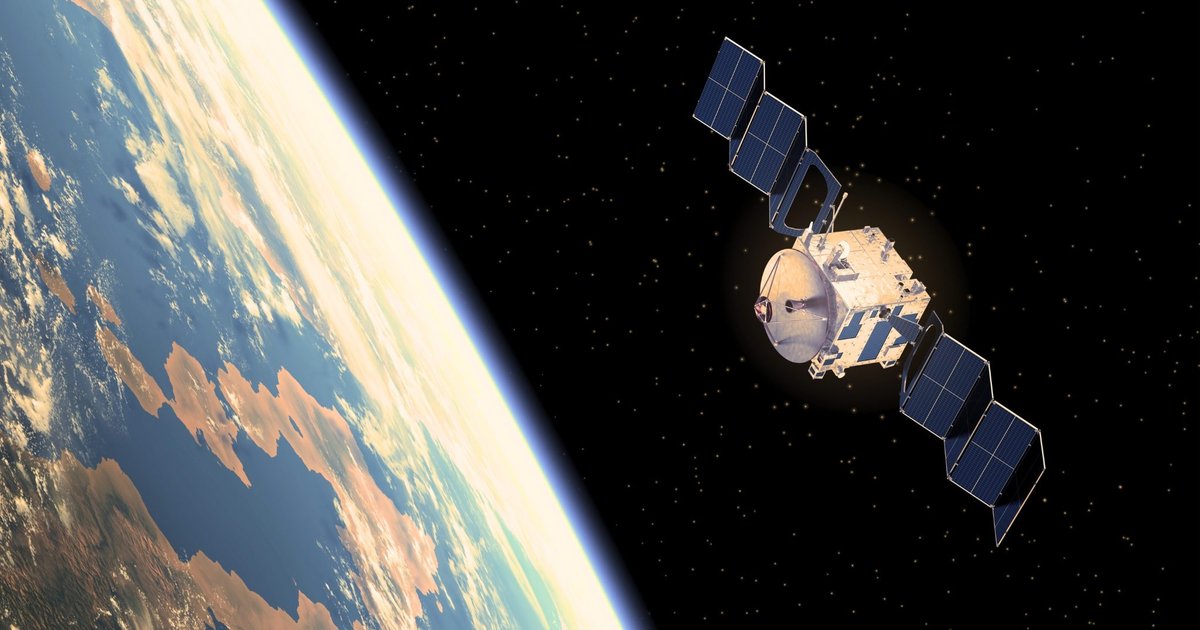
PowerBank Corporation and Smartlink AI (Orbit AI) plan to deploy an 'Orbital Cloud' of solar-powered LEO data centres combining DeStarlink (decentralised communications), DeStarAI (orbital AI), and blockchain verification, with the first satellite Genesis-1 slated for December 2025. The roadmap calls for 5–8 additional satellites in 2026, commercial service targeted in 2027–28 and autonomous governance by 2028–30; PowerBank has committed an initial US$50,000 with an option to increase to US$10m for up to 20% equity. The partners highlight market forecasts that together imply a >US$700bn opportunity over the next decade (satellite market ~US$615bn by 2032; in‑orbit data centres from US$1.77bn in 2029 to US$39.1bn by 2035), positioning solar-powered orbital compute and blockchain nodes as a potential new infrastructure play.
Market structure: Winners will be space-capable aerospace primes (RTX, LHX), specialist semiconductor makers (NVDA, AVGO) and space-rated solar/thermal suppliers; losers include long-duration, high-valuation terrestrial data‑center REITs (EQIX, DLR) and small hyperscalers whose margin assumptions rely on cheap ground power. The article implies a >$700bn addressable opportunity over a decade and an implied in‑orbit data‑centre CAGR of ~65–70% from 2029–2035 (very high growth off a small base), shifting future pricing power toward vertically integrated space suppliers and launch services. Supply tightness will center on launch capacity, radiation‑hardened chips and space‑grade PV — expect multi-year lead times and inflationary pricing for those inputs.
Risk assessment: Tail risks include catastrophic launch failure, regulatory bans (FCC/ITU or export controls) and Kessler‑type debris cascades that could strand constellations; these are low probability but could wipe equity value. Immediate market moves will be headline-driven (days/weeks) around Genesis‑1 (Dec 2025); commercialization and revenue inflection are 2027–2030, so capital‑intensive cash burn and dilution risk dominate near term. Hidden dependencies: insurance, sustained launch cadence, thermal management realism, and sovereign/regulatory recognition of “orbital sovereignty.” Key catalysts: Genesis‑1 mission success (Dec 2025), first commercial contract or anchor customer (target within 12 months), and any US export/regulatory guidance (90–180 day watch).
Trade implications: Tactical: overweight aerospace primes (RTX/LHX) and NVDA for GPU demand — target 1–3% portfolio positions with 12–24 month horizons; reduce REIT exposure (EQIX/DLR) by 2–4% and redeploy. Pair trade: long RTX (1.5%) / short EQIX (1.5%) to capture secular re‑rating; add NVDA call spreads (9–18 month) instead of outright to limit premium. Use event‑driven sizing: keep speculative exposure to public smallcaps like SUUN to <1% ahead of Dec‑2025 launch, add only after verified on‑orbit telemetry.
Contrarian angles: Consensus underestimates time and capital: Bezos’ “decades” comment is a warning — expect 5–15 year commercialization, not immediate margin disruption for cloud giants. Historical parallels (Iridium, early satcom) show long lag, restructurings and bankruptcies before winners emerge; current market may be underpricing operational/insurance costs. Mispricings: aerospace primes with diversified revenue are cheap relative to the optionality; avoid extrapolating the $700bn linearly — require three verified on‑orbit successes/anchor customers before allocating >5% to pure‑play space infra names.
AI-powered research, real-time alerts, and portfolio analytics for institutional investors.
Request DemoOverall Sentiment
moderately positive
Sentiment Score
0.45
Ticker Sentiment
