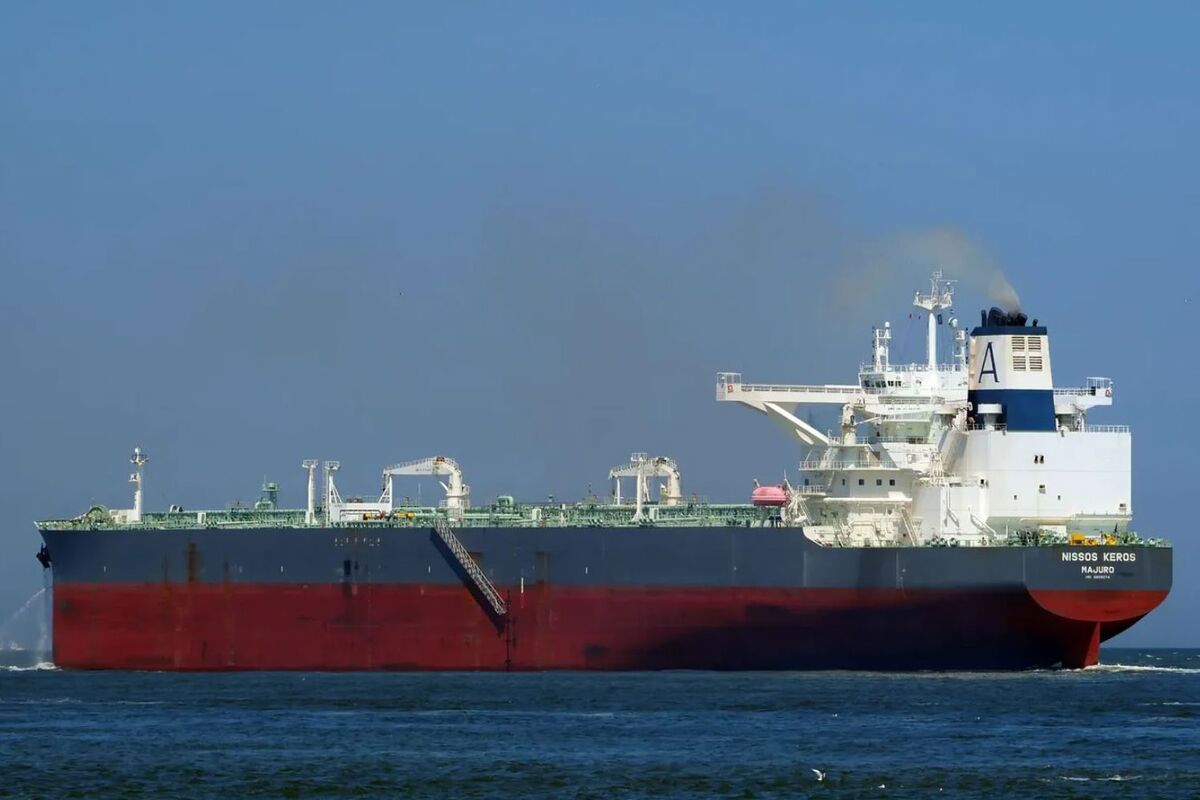
The VLCC Nissos Keros is en route to France, carrying approximately 2 million barrels of ultra-low sulfur diesel from Saudi Arabia, with an anticipated arrival on August 30. This significant shipment underscores the persistent supply tightness and fuel scarcity currently impacting the European market.
A Very Large Crude Carrier (VLCC), the Nissos Keros, is transporting a significant cargo of approximately 2 million barrels of ultra-low sulfur diesel from Saudi Arabia's Jubail terminal to Europe, with a signaled destination of France for August 30. This shipment is a direct market response to, and tangible evidence of, the acute fuel scarcity and supply tightness within the European diesel market. The utilization of a supertanker for a refined product journey of this distance is noteworthy, as it underscores the significant economic arbitrage created by the regional deficit, making such long-haul, high-volume shipments profitable. The event highlights the ongoing reconfiguration of global energy supply chains and the logistical measures being employed to address structural fuel imbalances in key consumer regions.
AI-powered research, real-time alerts, and portfolio analytics for institutional investors.
Request DemoOverall Sentiment
mixed
Sentiment Score
0.00
