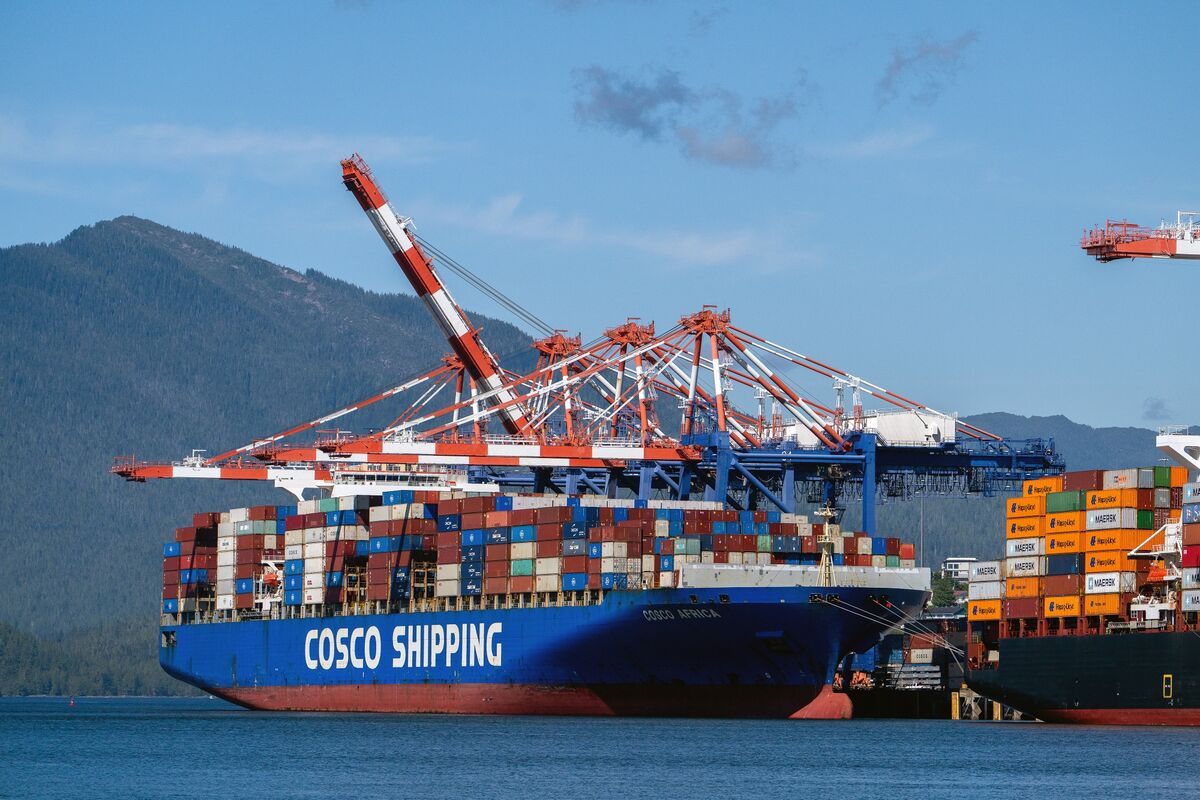
China has successfully rerouted exports to alternative markets, achieving a record trade surplus exceeding $1.2 trillion despite high US tariffs. This broad export surge is now raising international concerns among governments regarding potential damage to domestic industries and the geopolitical implications of confronting Beijing, a top trading partner for over half the world.
China's export sector has demonstrated notable resilience, with the country on track for a record trade surplus exceeding $1.2 trillion despite five months of significant US tariffs. This performance indicates a successful strategic pivot by Chinese manufacturers, who have effectively redirected trade flows to alternative global markets to compensate for reduced access to the US. However, this across-the-board surge in exports is now generating international friction, forcing governments worldwide to confront a difficult policy dilemma: protecting their domestic industries from increased competition versus the geopolitical and economic risks of antagonizing Beijing, which the article notes is the top trading partner for over half the world.
AI-powered research, real-time alerts, and portfolio analytics for institutional investors.
Request DemoOverall Sentiment
strongly positive
Sentiment Score
0.70
