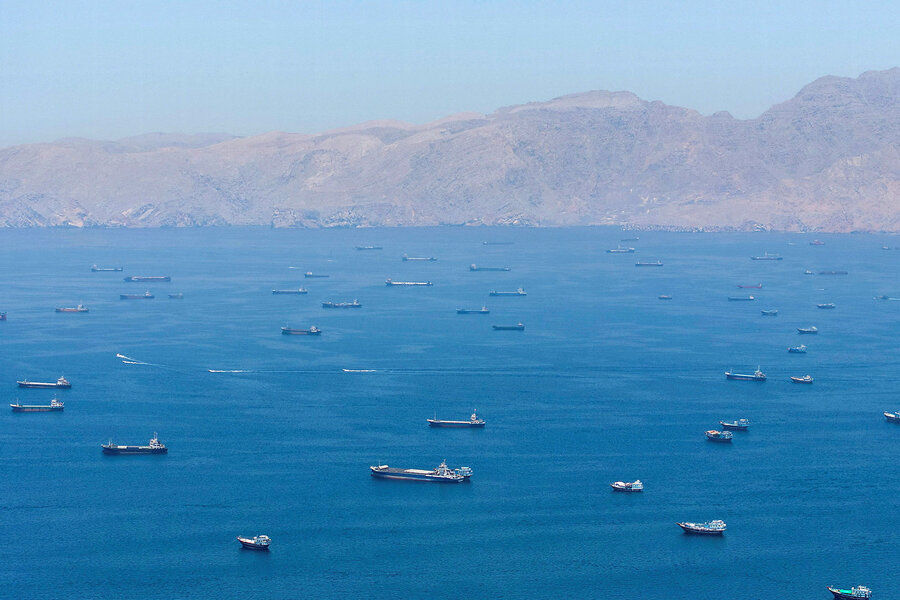
A potential U.S.-Iran memorandum of understanding is progressing but remains fragile, with reports of new U.S. strikes in southern Iran, Iranian warnings that no deal is imminent, and Trump adding a new condition tied to expanded Abraham Accords membership. The framework reportedly includes a 60-day cessation of hostilities, direct talks on Iran's nuclear program, and the fate of frozen Iranian funds, but no formal announcement has been made. The outcome has major implications for Strait of Hormuz security, Gulf energy flows, and regional risk premiums.
The market should treat this less as a clean de-escalation catalyst and more as a volatility-compression event with a high probability of headline whiplash. The first-order beneficiary is not “peace” but the removal of immediate tail-risk premia embedded in regional energy, shipping, and defense equities; the second-order loser is any asset that has been pricing a sustained disruption to Hormuz flows. If the memorandum advances, the biggest mechanical beneficiary is likely not crude outright but the implied volatility surface across oil, freight, and Gulf FX proxies as short-dated risk gets crushed before longer-dated strategic uncertainty remains.
The more important dynamic is that Gulf middle powers are effectively becoming the region’s risk underwriter, which reduces the odds of a broad, sticky energy shock but raises the odds of episodic, localized retaliation whenever Tehran wants leverage. That argues for a regime of lower average prices but fatter intraday spikes on failed talks, which is bearish for momentum-following commodity longs and bullish for option sellers only if they can survive event risk. The U.S.-imposed normalization condition creates a non-linear failure mode: it converts a bilateral ceasefire into a multi-party political test, making the next 48-72 hours materially more fragile than the underlying strategic trajectory.
Consensus may be underestimating how much the region wants a managed pause even without a grand bargain. That makes an outright collapse less likely than a drawn-out, messy partial deal, but it also means any relief trade should be faded quickly unless there is a verifiable freeze on retaliatory activity and a clear channel for frozen-fund release. The longer horizon risk is that a quasi-stable ceasefire reduces urgency for Western energy security policy, which would keep a ceiling on defense names and energy alpha, while preserving a persistent geopolitical premium in select infrastructure and shipping adjacencies.
AI-powered research, real-time alerts, and portfolio analytics for institutional investors.
Request DemoOverall Sentiment
mildly negative
Sentiment Score
-0.15
