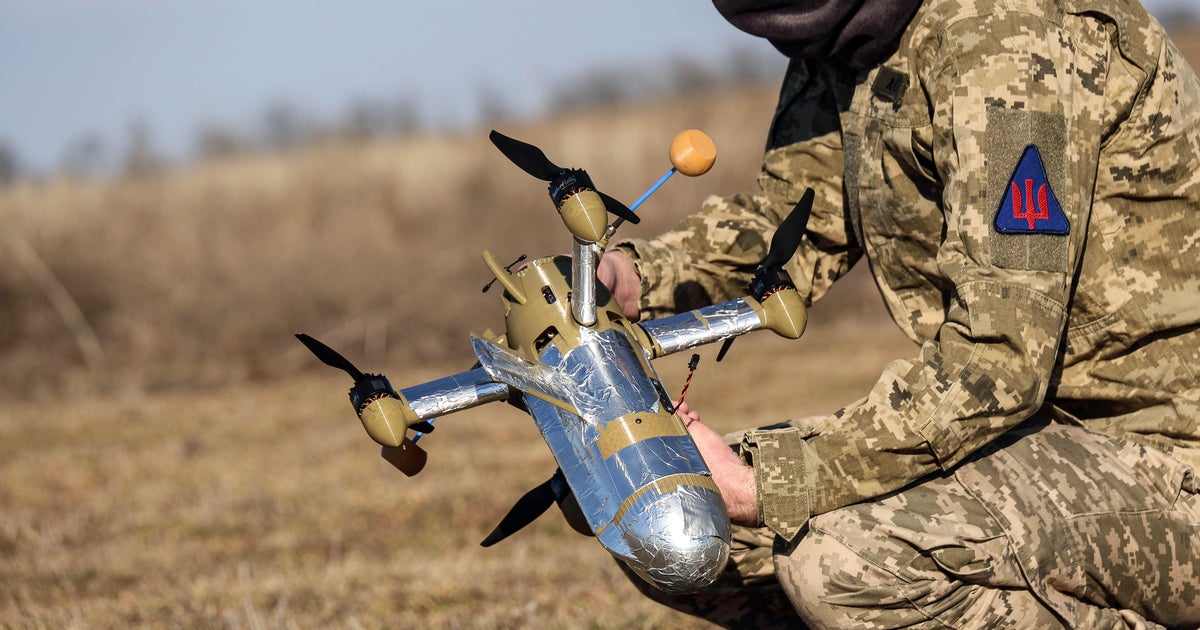
Poland announced SAN — billed as the largest counter-UAS system in Europe — planning ~700 mobile vehicles and 50–60 platoons (30–50 personnel each) with radars, RF sensors, cameras, jammers and interceptor drones capable of tracking Shahed-size targets >10 km. The program is being built by APS (tech tested in Ukraine), PGZ and Kongsberg, and NATO interest signals growing procurement demand for radar, electronic-warfare and interceptor suppliers. This marks a shift from experimentation to urgent fielding of practical anti-drone capabilities, creating upside for defense-equipment makers while raising force-design and budget trade-offs for major militaries.
Western procurement is pivoting from ‘big-ticket’ R&D experiments toward mass-deployable, mobile counter-UAS kits — a shift that accelerates cash flows for firms that already sell ruggedized radars, EW suites and interceptor drones. Expect meaningful contract awards and follow-on orders within 3–12 months as governments prioritize fielded capabilities over multi-year laser programs; that timing concentrates revenue and margin expansion into the next 4 fiscal quarters for specialist suppliers.
The change amplifies demand at two layers of the supply chain: (1) RF/semiconductor vendors that supply phased-array radars, jammers and EO/IR sensors, and (2) systems integrators that can rapidly deliver C2 and kinetic/non-kinetic effectors on mobile platforms. Conversely, prime contractors that are overweighted to high-altitude, platform-centric air defense (expensive interceptors and warplanes) face second-order pressure on backlog composition and unit economics as buyers reallocate budgets to denser, lower-cost counter-UAS coverage.
Tail risks are concentrated in rapid adversary adaptation (swarm coordination, mesh comms, low-RCS materials) and procurement mismatch: buyers over-order untested kits, creating warranty/support liabilities and downgrading future margins. Key catalysts to watch are NATO procurement announcements, first-wave export orders (3–9 months), and component lead-time reports from RF semiconductor suppliers (2–6 months); any of these reversing or slowing could materially compress upside over 6–18 months.
The investable framing is sector-rotation rather than binary defense long-only exposure: favor modular EW/radar/electronics suppliers and integrators with mobile deployment proofs, hedge with short duration on legacy platform exposure, and size positions to allow for rapid derisking around contract announcements and technical failure modes. Expect 20–50% upside on successful tender wins inside 12 months, with asymmetric downside if technology proves easily countered or budgets reallocated to other priorities.
AI-powered research, real-time alerts, and portfolio analytics for institutional investors.
Request DemoOverall Sentiment
mixed
Sentiment Score
0.05
