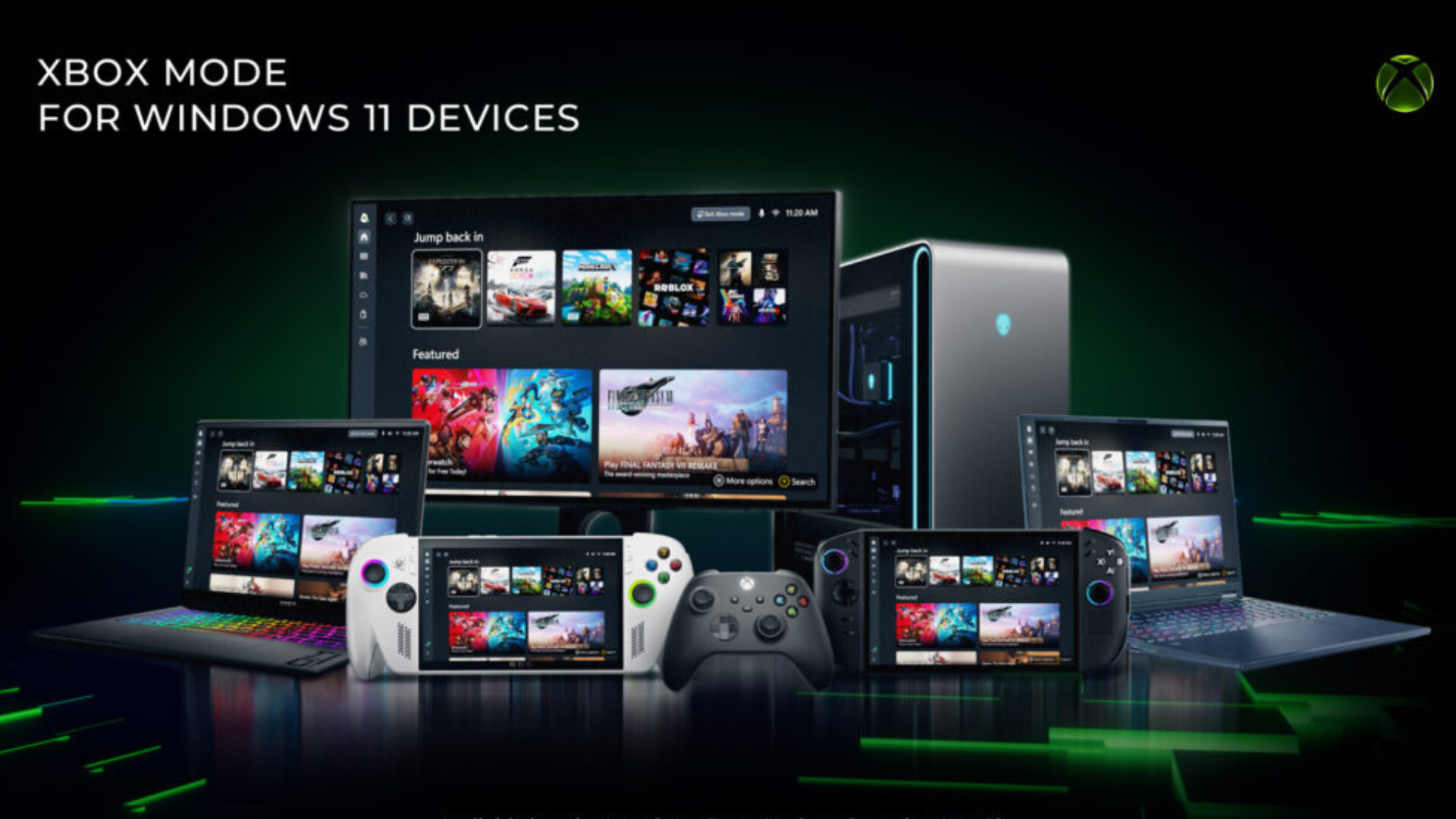
Microsoft is rolling out Xbox Mode to all Windows 11 PCs for the first time, expanding the controller-optimized full-screen gaming interface from handhelds to desktops, laptops, and tablets. The feature consolidates titles from Steam, Epic Games Store, Battle.net, and Xbox Game Pass into one dashboard and is being deployed via phased Windows Update rollout. The launch is strategically positive for Microsoft's gaming ecosystem, but the article does not indicate an immediate earnings or revenue impact.
Microsoft is turning Windows from a passive operating system into a gaming distribution layer, and that matters more than the UI change itself. The strategic upside is not a one-time feature launch; it is the creation of a default gaming shell that can lower friction for game discovery, session length, and cross-store engagement, which should incrementally improve monetization across Microsoft’s gaming stack over the next 6-18 months. The broader implication is that Microsoft is trying to make Windows the de facto “operating system for PC gaming” in a way that makes Linux-based alternatives less compelling for mainstream users.
For AMD, the second-order effect is more interesting than the direct console angle: Microsoft is quietly training consumers and developers on an AMD-anchored, console-like PC gaming experience before Project Helix ships. If the interface becomes the preferred entry point on Windows, AMD stands to benefit from any future Helix attach, but the bigger near-term catalyst is sentiment around an integrated Microsoft/AMD gaming roadmap, which can support multiple expansion pockets even without immediate unit growth. The risk is that this remains mostly a software convenience layer unless Microsoft couples it with a meaningful performance or battery-life delta; absent that, usage may stay niche among handheld and living-room PC segments rather than becoming a daily habit on desktops.
The competitive casualty is any company leaning on control of the front-end gaming experience as a moat, especially Valve. Steam Big Picture and SteamOS have benefited from being the easiest controller-first environment; Microsoft’s advantage is less elegance and more distribution, since Windows can absorb the feature without requiring users to switch ecosystems. The flip side is that by pushing a full-screen gaming mode into Windows Update, Microsoft also increases the probability of UI bloat backlash, which could cap adoption if users perceive the feature as clutter rather than simplification. That makes this more of a slow-burn platform tug-of-war than an immediate revenue event.
AI-powered research, real-time alerts, and portfolio analytics for institutional investors.
Request DemoOverall Sentiment
mildly positive
Sentiment Score
0.20
Ticker Sentiment
