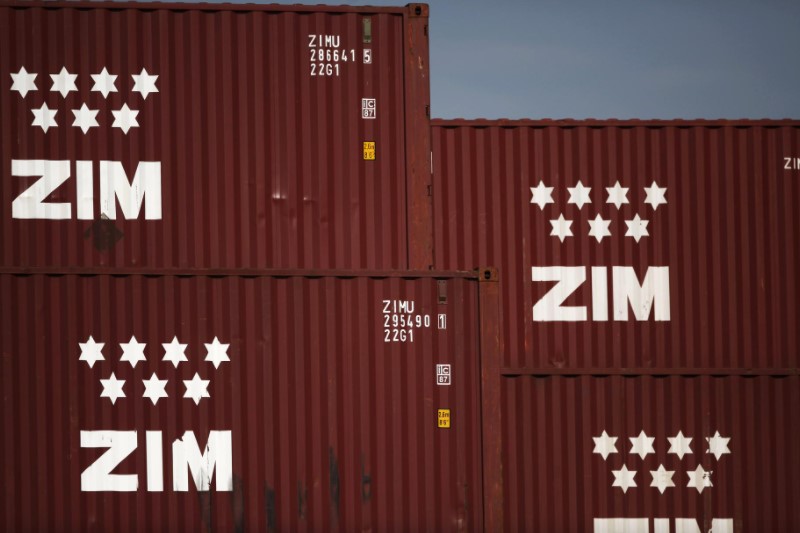
ZIM posted Q4 adjusted EPS of $0.32 vs. a -$0.99 consensus and revenue of $1.48B vs. $1.45B consensus, though revenue was down 32% YoY. Net income fell to $38M from $563M year-over-year; the quarter included a $137M non-cash impairment reversal. FY2025 revenue was $6.90B (-18% YoY) with net income of $481M and adjusted EBITDA of $2.17B (31% margin); the company declared a Q4 dividend of $0.88 ($1.99 total for 2025, ~50% of net income). ZIM has a planned merger with Hapag-Lloyd announced Feb 2026 at $35.00 per share in cash.
The headline-driven noise around energy and earnings masks the primary driver of near-term shipping equity dynamics: fuel-cost volatility is a direct, high-frequency input to operating margins and contract renegotiation cadence. A sustained oil move higher forces carriers to push discretionary surcharges and FAK resets, which lifts spot P&L for the most spot-exposed operators while simultaneously accelerating demand destruction for marginal shippers — a classic short-volatility squeeze followed by a volume softening over 2–6 quarters.
For a target under a cash-acquisition framework, that macro path creates asymmetric execution risk. On one hand, cash consideration limits pure market-risk exposure; on the other, an inflationary shock that dents global goods demand or triggers regulatory scrutiny materially increases deal break probability and creates a cliff in the implied takeover spread. Integration risk is concentrated in network optimization and fleet rationalization: fuel-inefficient tonnage and short-term charter commitments will be the first to see impairments if rates reprice downward after an oil shock.
Second-order winners include owners/operators of modern, fuel-efficient vessels and businesses that monetize long-term contracted volume (term charterers, big shippers with carrier partnerships). Losers are lessors and short-lease operators with high leverage to spot freight volatility and elevated bunker exposure. The optimal horizon to watch these dynamics is layered: immediate 0–3 month volatility from fuel moves and announcement chatter, 3–12 months for regulatory and integration outcomes, and 12–36 months for fleet reconfiguration and rate normalization.
AI-powered research, real-time alerts, and portfolio analytics for institutional investors.
Overall Sentiment
mixed
Sentiment Score
0.05
Ticker Sentiment
