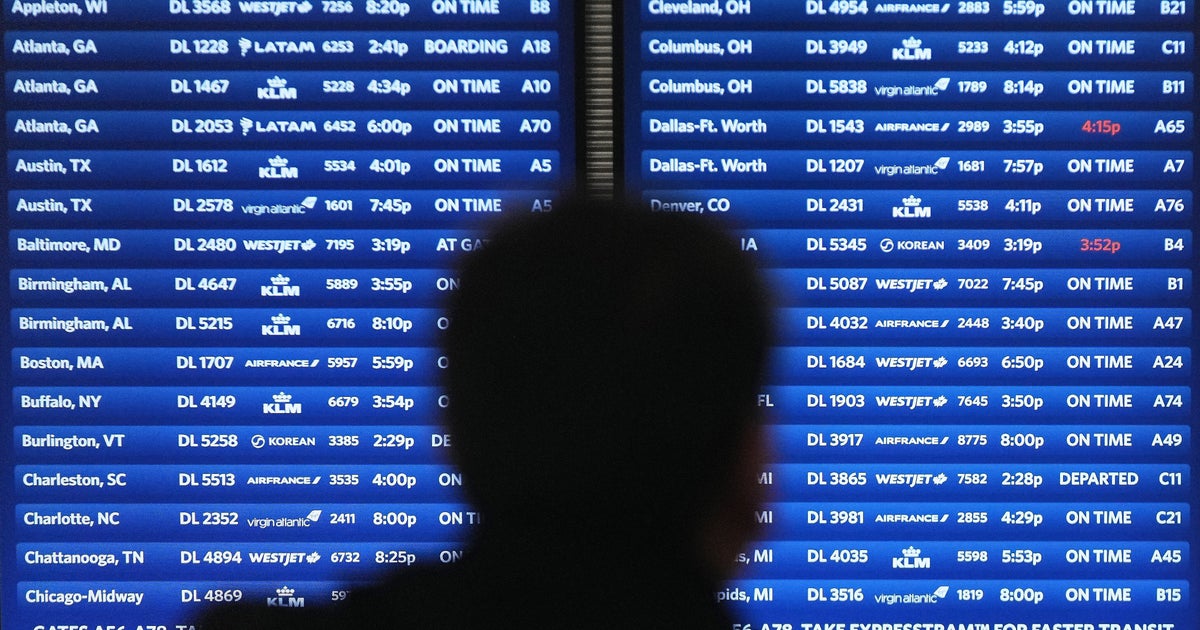
Two winter storm systems are forecast to disrupt Thanksgiving travel across the U.S., producing rain, heavy snow and high winds from the Plains through the Great Lakes into the Northeast. Winter storm warnings cover parts of North Dakota, Michigan, Minnesota, South Dakota and Wisconsin, with localized accumulations up to 20–30 inches near the Canadian border and 5–8 inches around the Twin Cities, and winds up to 35–40 mph that could impede travel along I-29, I-90 and I-94 and at airports in Chicago, Duluth, Fargo, Minneapolis–St. Paul and Pierre. Rain is expected in several major metros (including New York City, Atlanta, Boston, Philadelphia and Washington, D.C.), increasing risk of road and air delays during a week when Chicago-area airports alone expect roughly 3.6 million passengers.
Market structure: Short-term winners include car-rental (CAR) and regional road-trip beneficiaries (SVU: KR, WMT) and energy suppliers for heating (natural gas). Immediate losers are airlines concentrated in storm-hit hubs (UAL, AAL, DAL) and airport-reliant services; expect 1–5% seat-mile disruptions for impacted carriers over the next 3–7 days, pressuring Q4 weekly cashflows and driving localized pricing power to firms with spare fleet or alternate routing. Competitive dynamics favor firms with flexible inventory (rental cars, trucking) and operators with deep hub redundancy (DLH/Delta advantage in Mpls/DTW).
Risk assessment: Tail risks include multi-day ground stops or intermodal chokepoints that create a 5–10% revenue hole for airlines and a surge in cargo delays that could transiently lift freight rates 5–15%. Immediate (0–7d) impacts are operational (cancellations, rebooking costs); short-term (weeks) impacts include higher opex (de-icing, overtime); long-term (quarters) are minimal unless repeated storms become seasonal. Hidden dependencies: synchronized holiday demand means passenger re-accommodation costs hit margins; catalysts are NOAA model updates, FAA advisories and real-time cancellation rates within 24–48 hours.
Trade implications: Tactical plays: 1–4 week long natural gas (UNG or short-dated NatGas futures) sized 1–2% for a target +10–20% if 7-day HDDs > +25% vs 10yr avg, stop -12%. Buy short-dated puts (1% exposure each) on AAL and UAL for 2–5 trading days to capture operational downside; alternatively buy weekly put spreads to cap cost. Go long CAR (1–2%) for 1–3 weeks to capture incremental rental demand and constrained supply; consider small long positions in trucking (CHRW) for rerouted freight.
AI-powered research, real-time alerts, and portfolio analytics for institutional investors.
Request DemoOverall Sentiment
mildly negative
Sentiment Score
-0.25
Contrarian angles: The market often overprices persistent damage — historical Thanksgiving storms produce sharp 1–3 day equity moves but full-week recoveries; therefore pre-define buy-on-dip thresholds. If any airline drops >8% intraday, consider converting short put positions into longer-dated bullish risk reversals (buy Feb calls, sell Feb puts) to capture holiday rebound while limiting carry. Also monitor model flips: if NOAA shifts warmer in 48h, unwind energy longs quickly.
