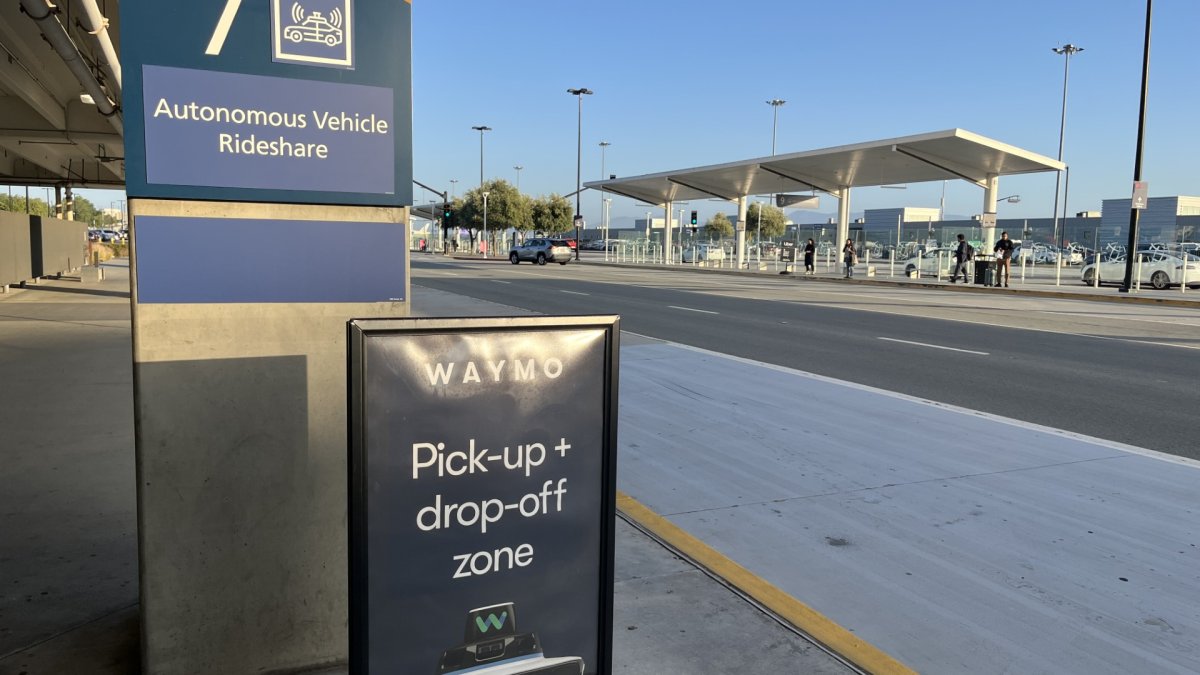
A Waymo driverless taxi reportedly drove away with a passenger's luggage after drop-off at San Jose Mineta Airport, leaving the rider without a suitcase, clothes, or work notes for a business trip. Waymo later said the item was secured at its depot and offered shipping at the rider's expense or two complimentary rides to retrieve it, prompting complaints about customer service and responsibility for lost items. The incident highlights a customer experience and operational issue for Waymo, but it is likely to have limited direct market impact.
This is not a revenue problem; it is a trust-friction problem. For autonomous ride-hailing, the marginal trip cost is irrelevant if edge-case mishandling creates a visible “my stuff got trapped” narrative, because adoption is gated by perceived reliability in high-stakes use cases like airports, luggage, and business travel. The second-order hit is on conversion at the top of the funnel: airport trips are a disproportionately valuable wedge because they bundle urgency, willingness to pay, and repeat behavior, so even a small rise in perceived operational risk can slow utilization growth more than it affects trip volume.
The bigger issue for the category is not the individual customer-service dispute but the implied product liability gap between “robotaxi” branding and “lost item” operational reality. If consumers infer that edge cases will be resolved with shipping fees and depot pickups, autonomous fleets look less like premium convenience and more like rigid logistics systems with poor exception handling. That asymmetry gives incumbents with stronger human support layers and more flexible service recovery an opening, and it also increases the odds that regulators start treating unattended cargo, trunk access, and automated ride termination as formal safety/process standards rather than customer-service details.
Near term, the catalyst risk is reputational spillover from social media and local news, not litigation. Over the next 1-3 quarters, any repeated incidents around airports could force incremental support costs, changes to vehicle software logic, or more conservative trunk-handling defaults that reduce frictionless UX. Over a 12-24 month horizon, this is actually bullish for companies that can sell orchestration software, fleet monitoring, identity verification, and exception-management tooling to autonomous operators, because the operational bottleneck is increasingly the messy last 1% of the customer journey rather than the core driving stack.
AI-powered research, real-time alerts, and portfolio analytics for institutional investors.
Request DemoOverall Sentiment
mildly negative
Sentiment Score
-0.20
