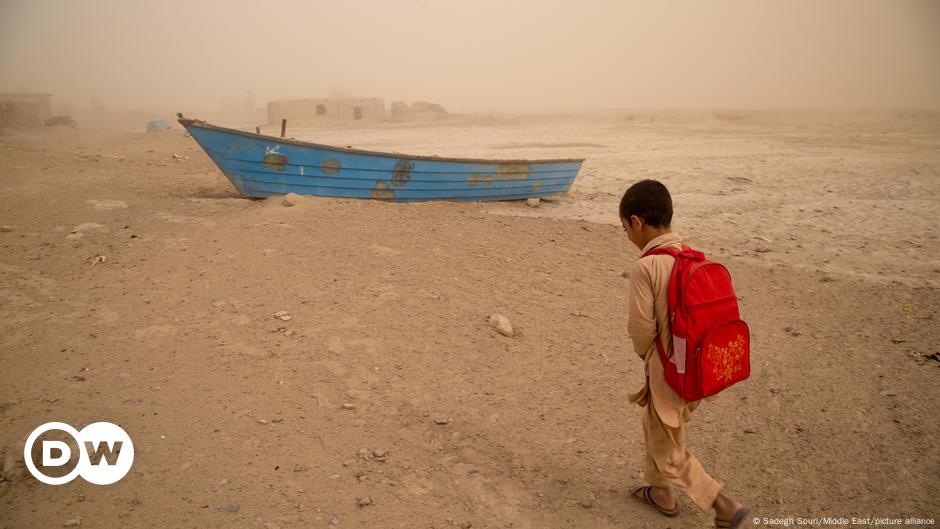
Iran is experiencing an unprecedented water crisis, with six consecutive years of drought leading to critically low reservoir levels and zero rainfall in half the country since late summer. The capital, Tehran, with 18 million residents, faces water rationing due to dilapidated infrastructure and the agricultural sector's 80-90% water consumption, which annually depletes 16 cubic kilometers of reserves. This severe resource scarcity, exacerbated by overuse and political mismanagement, poses significant long-term economic and social risks, including potential food insecurity and urban instability, prompting calls for comprehensive institutional and agricultural reforms.
Iran is grappling with an unprecedented and severe water crisis, marked by six consecutive years of drought and zero rainfall in half of its provinces since late September. This has led to critically low reservoir levels and forced the capital, Tehran, with its 18 million residents, to implement rolling water restrictions due to dilapidated infrastructure and high transit losses. Residents have reduced consumption by 12%, falling short of the 20% target needed to ensure supply until winter.
The crisis is exacerbated by the agricultural sector's disproportionate water consumption, accounting for 80-90% of the national supply, alongside decades of overuse and inefficient irrigation. This has resulted in an alarming annual loss of 16 cubic kilometers of water since 2002, totaling 370 cubic kilometers over the past 23 years, indicating severe long-term resource depletion.
Political mismanagement and the sidelining of environmental experts have hindered effective solutions, with pro-reform media criticizing "unqualified managers." The lack of a clear government plan beyond rationing, coupled with President Pezeshkian's suggestion of a potential Tehran evacuation, underscores the extreme social and political instability risks associated with this escalating environmental disaster.
AI-powered research, real-time alerts, and portfolio analytics for institutional investors.
Overall Sentiment
extremely negative
Sentiment Score
-0.85
