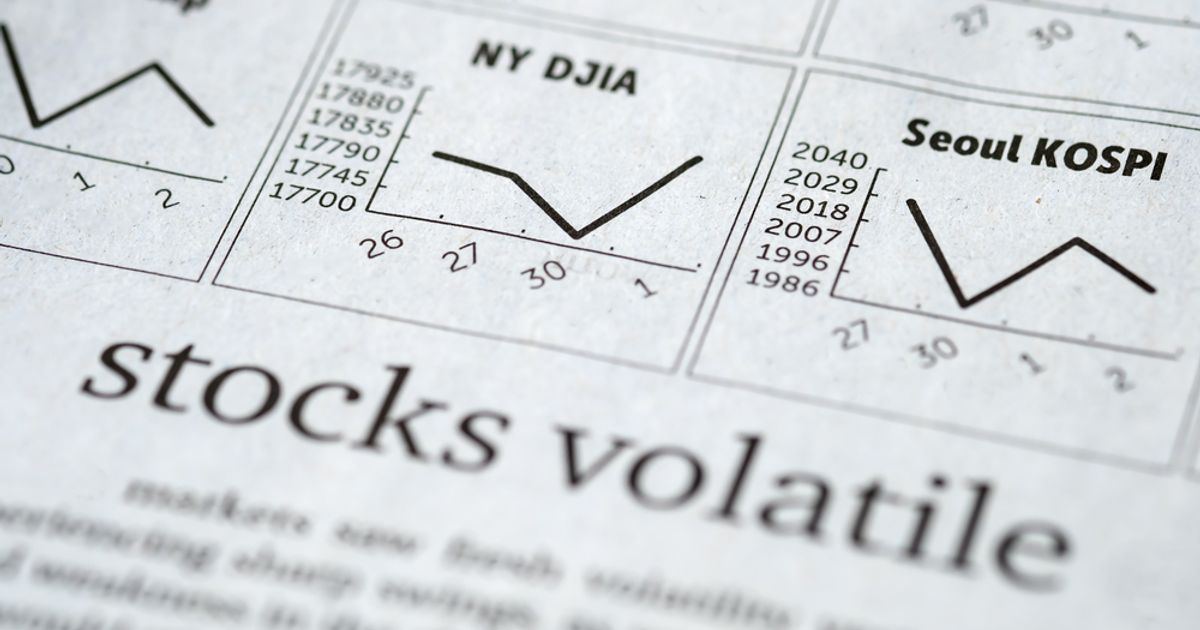
JP Morgan says investors should keep buying geopolitical dips, arguing that central bank flexibility and supportive earnings momentum make the current setup more resilient than 2022. The bank expects broader market leadership beyond the Magnificent Seven, noting that relative valuations for those stocks had fallen to decade lows before the rebound and that AI-exposed names were at record-low derating levels. It remains overweight emerging markets versus developed markets and constructive on semiconductors, with dollar and bond yields seen as potential catalysts if they catch up to equities.
The key setup is not simply “buy the dip,” but that policy and positioning are now aligned in a way that can make declines unusually brief. When yields and the dollar have not yet validated the equity rebound, there is still dry powder for a cross-asset catch-up trade; that favors high-beta equities first, then a broader value/EM rotation if rates reprice higher on better growth rather than inflation fear.
The second-order winner is EM and semis, but for different reasons. EM benefits if the dollar softens even modestly and if global growth expectations stabilize; semis benefit because they are the cleanest expression of an eventual breadth extension once crowded mega-cap leadership cools. The risk is that “broadening” becomes a euphemism for index-level churn: if rates rise too fast or geopolitical headlines re-escalate, the market can rotate away from duration-sensitive AI/semis into defensives without producing durable breadth.
The consensus may be underestimating how much of the recent tape was driven by positioning repair rather than fundamental improvement. That matters because repaired positioning can extend another 5-10% in the near term, but it also means upside will be more violent and selective than index-level. The real tell is whether credit spreads and cyclicals confirm the equity move over the next 2-6 weeks; if they do not, this rally remains a tactical squeeze, not a regime change.
For Nvidia specifically, the opportunity is less about chasing the stock outright and more about owning convexity around breadth expansion. If AI-exposed names are still materially derated versus history, a continued short-covering phase could be sharp over 1-3 months; but if bond yields back up or earnings revisions slow, the group can underperform even as the index grinds higher. That asymmetry argues for expressing the trade with options or relative value rather than pure beta.
AI-powered research, real-time alerts, and portfolio analytics for institutional investors.
Request DemoOverall Sentiment
mildly positive
Sentiment Score
0.35
Ticker Sentiment
