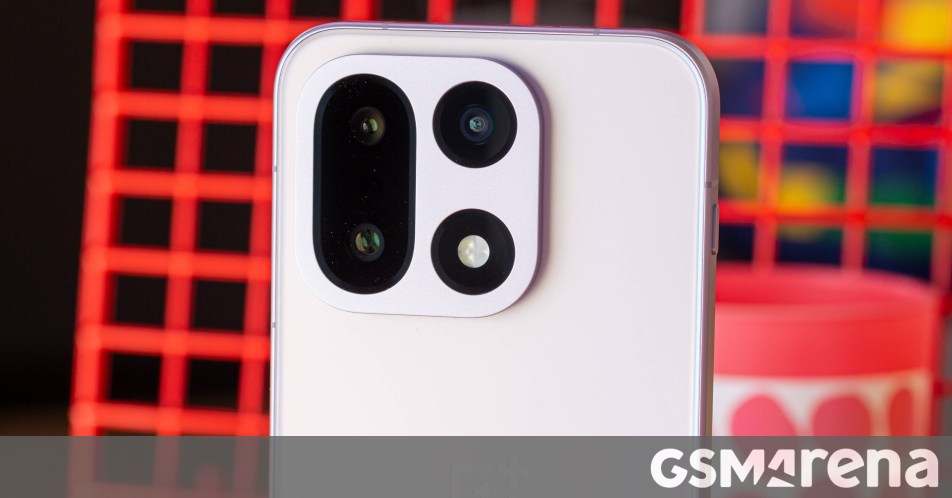
Rumors around the OnePlus 16 are mixed: one tipster now says the phone will use a 165Hz display, down from prior claims of 185Hz minimum and 240Hz max. Additional rumored features include an AI button, a 200MP telephoto camera with 3x zoom, a possible 50MP primary camera, a Snapdragon 8 Elite Gen 6 Pro SoC, and a 9,000 mAh battery. The article is speculation-driven and unlikely to move markets materially.
The signal here is not the exact spec sheet but the instability of the flagship narrative. A premium handset that oscillates between ultra-high-refresh, battery-heavy, and camera-first positioning suggests management is still searching for the right value proposition, which usually compresses category differentiation and shifts the battle toward price and channel incentives rather than true demand pull. If that persists, the incremental winners are likely component suppliers with multiple sockets and low single-customer exposure, while the losers are single-thread ODMs and any vendor overcommitted to one high-end spec path.
The bigger second-order effect is on display and camera supply chains: a downshift in refresh-rate ambition would reduce the need for cutting-edge OLED process complexity, while a 200MP telephoto emphasis shifts value toward sensor and lens partners that can monetize zoom use cases across many OEMs. That is generally more favorable for diversified imaging suppliers than for a pure-play panel stack built around one headline feature. The battery rumor is also strategically important because a very large cell combined with AI features implies power-management, thermal, and charging ecosystem content may matter more than raw benchmark marketing.
Contrarian view: the market may be overreacting to spec volatility as if it reflects weak execution, when it may simply indicate a broader industry pivot from spec race to AI-assisted utility and endurance. If that thesis is right, the true winners are not the handset OEMs but upstream enablers of on-device AI, power ICs, and advanced camera modules, which can capture content even if consumer brand share remains noisy. The risk horizon is months, not days: the stock impact usually appears only when the final bill of materials and retail pricing become visible, and any sign of aggressive subsidy or channel discounting would be the catalyst that flips sentiment negative.
AI-powered research, real-time alerts, and portfolio analytics for institutional investors.
Request TrialOverall Sentiment
neutral
Sentiment Score
0.05
