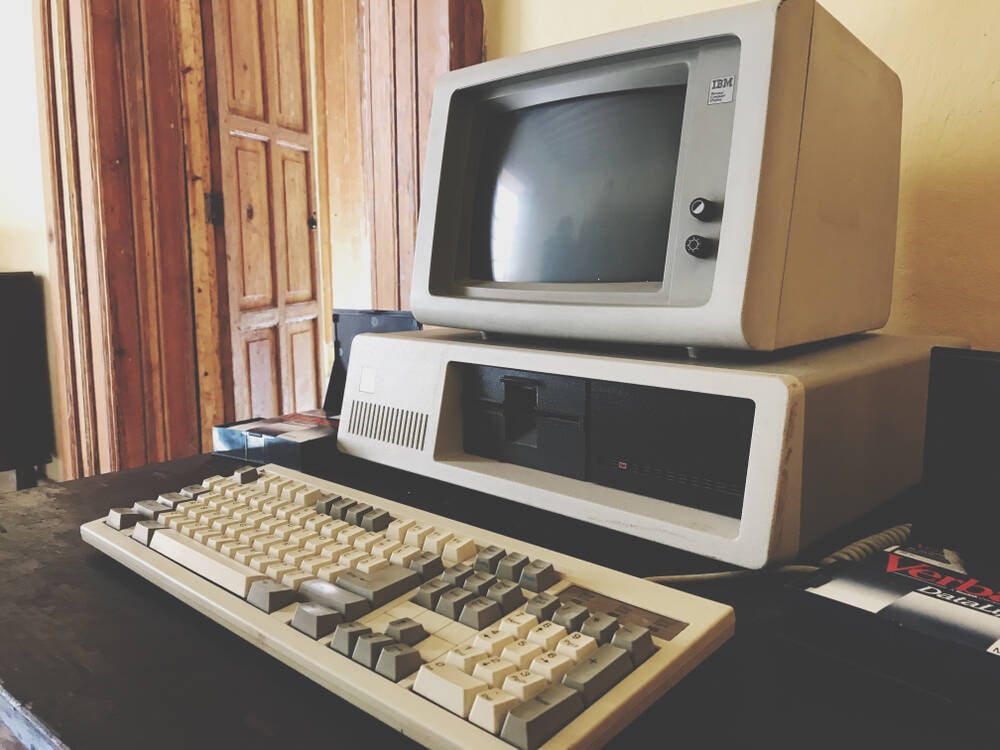
Microsoft released the source code for 86-DOS 1.00 and related PC-DOS 1.00 materials, including kernel listings, development snapshots, and utilities like CHKDSK. The release is mainly significant for software history and retro-computing enthusiasts, with limited practical commercial impact. The article also notes the historical context of Microsoft’s 1981 licensing and purchase of 86-DOS from Tim Paterson, which later became relevant in legal disputes.
This is not a revenue event for Microsoft; it is a low-cost brand moat enhancer that reinforces platform legitimacy. The second-order benefit is reputational: by curating computing history, MSFT keeps itself positioned as the steward of the PC era, which subtly supports enterprise trust and developer affinity at a time when AI infrastructure is commoditizing. The market will likely ignore it in the near term, but for a mega-cap with persistent multiple sensitivity, small “heritage” moves can help defend quality premium during periods when AI capex scrutiny rises.
The more interesting angle is litigation optics and narrative control. Releasing early DOS materials reduces the informational asymmetry around one of the company’s oldest origin stories, which can lower the probability that legacy-IP or provenance questions become a distraction in future retrospectives, documentaries, or anniversary cycles. The release also creates a free funnel into GitHub/Microsoft Learn/Windows developer ecosystems, with a tiny but real conversion benefit among nostalgia-driven developers, historians, and educators; that’s not enough to move earnings, but it helps keep Microsoft culturally central.
For Infosys, the article is mostly a noise event, but there is a subtle read-through: the more the market celebrates “analog craftsmanship” and disciplined engineering, the more it contrasts with current offshore-services concerns around WFH productivity and discretionary IT spend. That does not create an immediate fundamental catalyst, but it does reinforce a quality/performance narrative gap that could matter if investors start comparing AI-enabled productivity leaders versus labor-arbitrage IT services over the next 6-12 months. The consensus is probably overestimating the economic significance of the release and underestimating its value as a defensive brand gesture by Microsoft.
AI-powered research, real-time alerts, and portfolio analytics for institutional investors.
Request DemoOverall Sentiment
mildly positive
Sentiment Score
0.15
Ticker Sentiment
