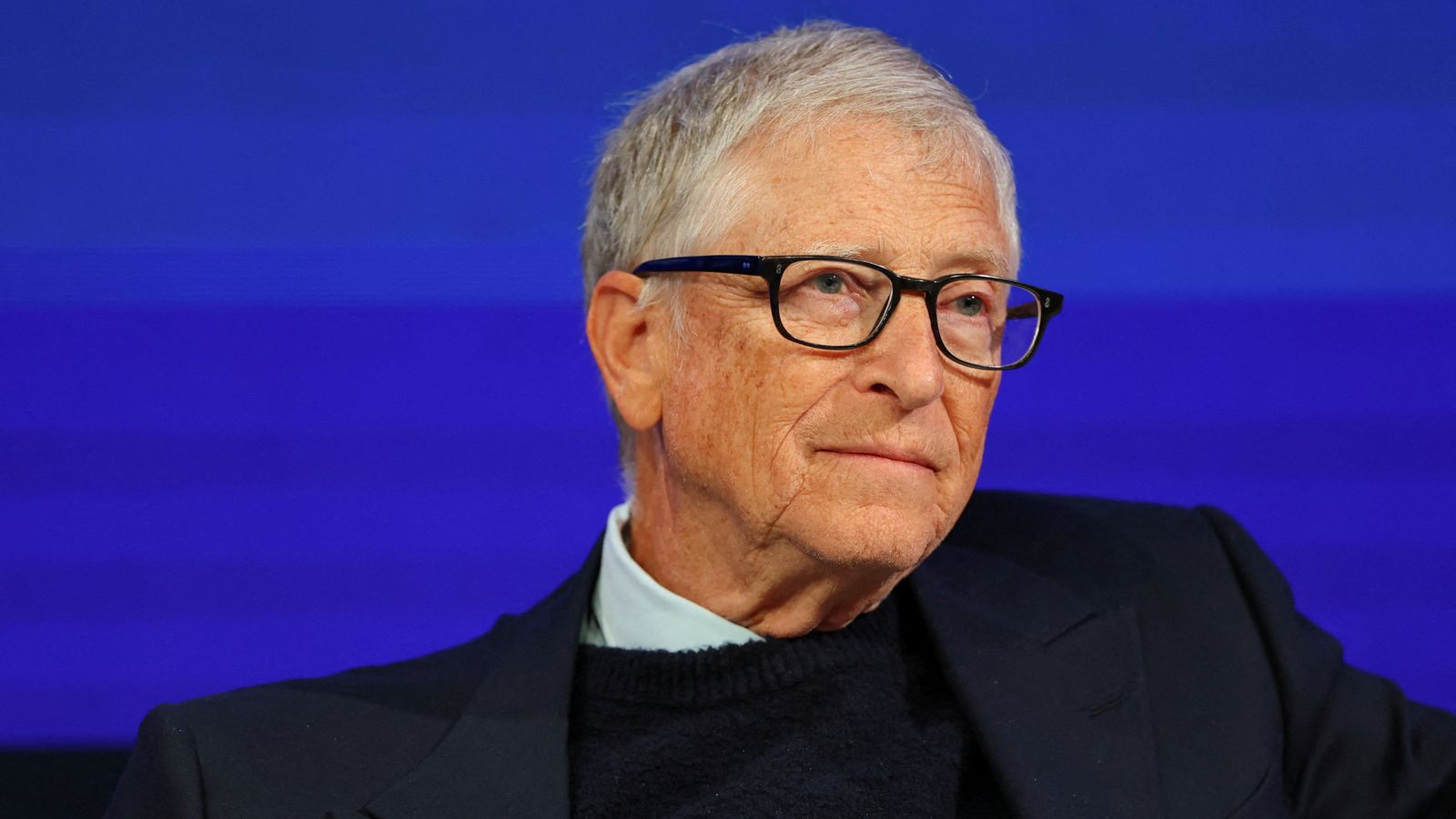
Bill Gates withdrew hours before he was due to deliver the keynote at the Indian AI Impact Summit, where he had been scheduled to appear alongside Prime Minister Modi, French President Macron, and industry leaders including Sundar Pichai and Sam Altman. The Gates Foundation said the decision was to keep focus on the summit’s priorities amid controversy surrounding the event — including alleged mismanagement, security disruptions, a disputed university claim about a 'robodog' and renewed scrutiny after US DOJ-released materials on Gates’ past interactions with Jeffrey Epstein. The withdrawal damages the summit’s credibility as an India AI showcase and creates a reputational risk for stakeholders promoting Indian AI initiatives, though direct market-moving financial effects are likely limited.
Market structure: The immediate winner is Google (GOOGL/GOOG) and other AI/cloud providers with no direct reputational link to the Gates/Epstein story; the clear loser is Microsoft (MSFT) from short-term reputational and partner-risk spillovers. Expect a modest multiple repricing risk for MSFT of ~1–3% on sentiment alone, possible pausing of India-specific contracts for 30–90 days, and small upticks in implied volatility for large-cap tech (IV +10–30% intraday). Cross-asset: anticipate minor safe-haven flows (USTs +5–10bps), INR downside pressure intra-day (0.5–1%) if summit credibility impacts capital flows; commodities negligible. Risk assessment: Tail risks include a protracted regulatory/governance probe that ties MSFT to philanthropic partnerships (low probability, high impact: >10% drawdown on MSFT), or cascading contract cancellations in India (mid probability, -5–8% revenue risk to event-dependent vendors). Immediate window is days for headline volatility; weeks for contract/partner pauses; quarters for possible governance-driven investor re-rating. Hidden dependency: Gates Foundation’s India programs may be a conduit to MSFT partnerships—watch grant/contract rolloffs and NGO statements for second-order effects. Trade implications: Tactical plays favor relative-long GOOGL vs short MSFT. Execute defensive hedges: buy 3‑month MSFT put spreads (buy 5% OTM / sell 10% OTM) sized to cover 1–2% portfolio exposure and initiate 3‑month GOOGL call spreads (10–15% OTM) for 0.5–1% portfolio risk. Rotate modest weight from event-exposed India/AI small caps into large-cap cloud names (GOOGL, AMZN) over the next 3–10 trading days and re-assess at 30–60 days. Contrarian angles: The market may overprice reputational risk—MSFT fundamentals (Azure, Copilot revenue) remain intact; a >5% MSFT selloff would present a tactical buy opportunity for a 6–12 month horizon. Historical parallels (CEO/board controversies) show recoveries within 3–9 months once governance steps occur; downside is a short squeeze if flows reverse. Key unintended risk: aggressive shorting of MSFT risks margin squeeze given large passive flows into mega-cap tech.
AI-powered research, real-time alerts, and portfolio analytics for institutional investors.
Request DemoOverall Sentiment
mildly negative
Sentiment Score
-0.25
Ticker Sentiment
