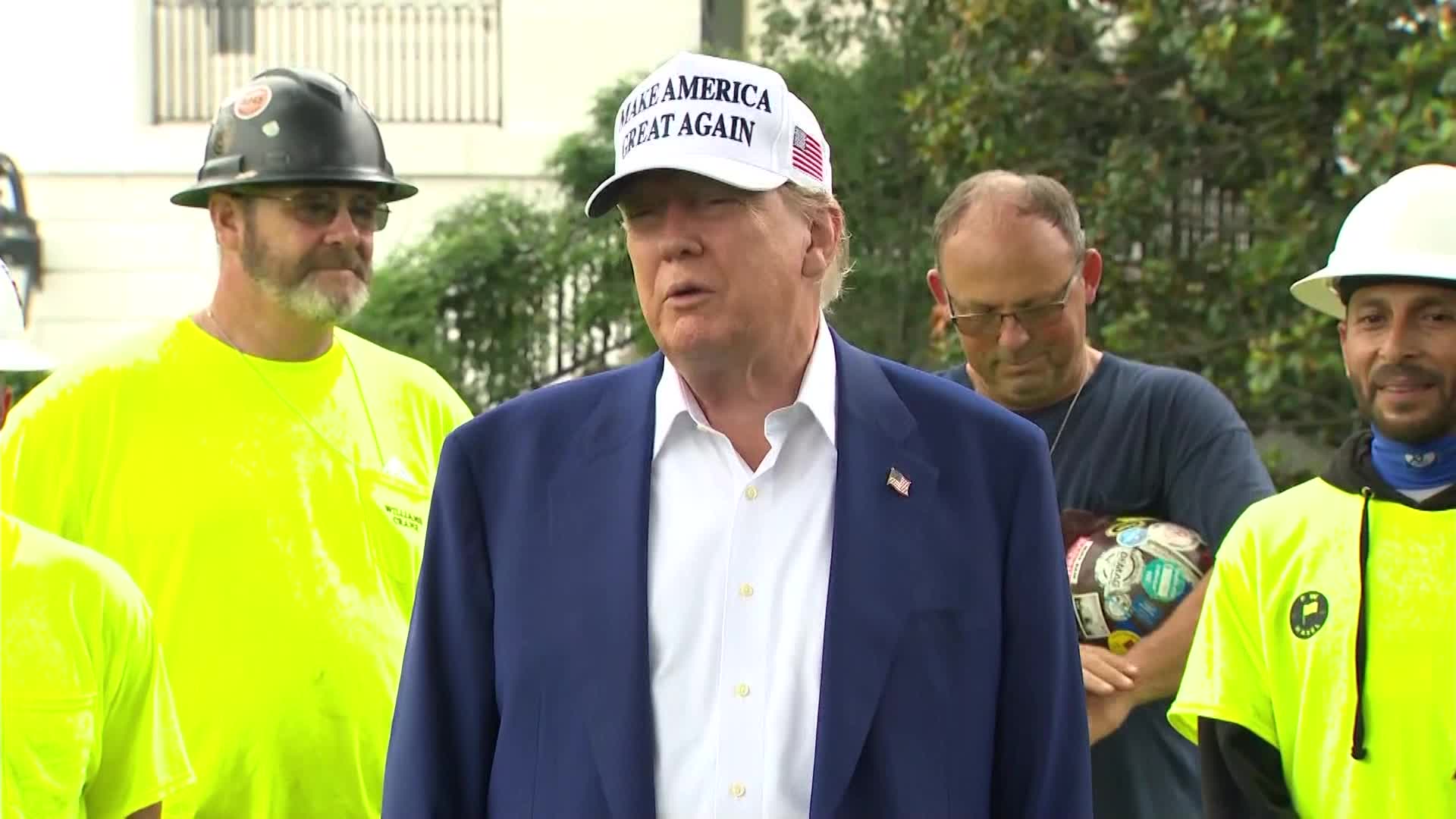
President Trump stated that Iran has expressed interest in negotiating with the U.S. and proposed a meeting at the White House. However, Trump indicated a skeptical stance, saying it is 'very late to be talking,' as reported during his remarks to reporters at the White House.
President Trump disclosed that Iran has indicated a willingness to negotiate with the United States, reportedly proposing a meeting at the White House. However, the President expressed skepticism regarding this overture, commenting that it is 'very late to be talking.' These remarks, delivered on the White House lawn, contribute to an atmosphere of geopolitical uncertainty, as reflected by the associated mildly negative sentiment score (-0.3) and uncertain tone. The situation is deemed to have a moderate market impact (score of 0.45), suggesting that while not a major market-moving event on its own, it adds a layer of complexity for investors to consider. The prevailing themes of 'Geopolitics & War,' 'Sanctions & Export Controls,' and 'Elections & Domestic Politics' further highlight the multifaceted risks and potential policy shifts stemming from these developments, particularly concerning U.S. foreign relations and regional stability.
AI-powered research, real-time alerts, and portfolio analytics for institutional investors.
Request DemoOverall Sentiment
mildly negative
Sentiment Score
-0.30
