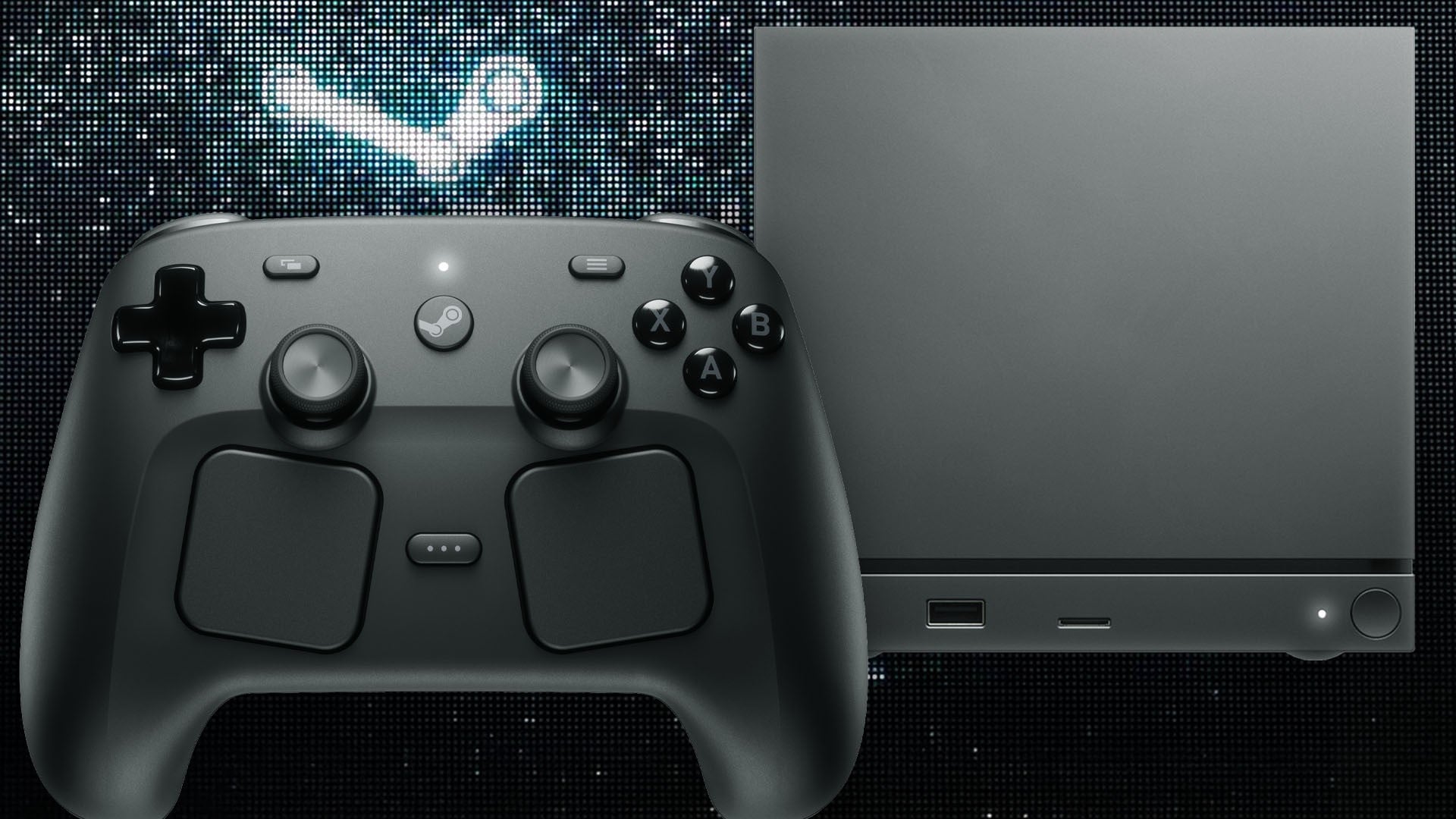
Valve's Steam Machine launches as a premium mini-PC with pricing starting at $1,049/£879 for the 512GB model and rising to $1,428/£1,208 for the 2TB bundle with Steam Controller. The hardware delivers roughly Xbox Series X/PS5-class performance in a tiny, nearly silent form factor, but its single-channel 16GB memory and cut-down AMD Zen 4/RDNA 3 specs make it more of a well-executed entry-level gaming PC than a category disruptor. The article is broadly positive on the product experience, but the high price and limited performance upside temper enthusiasm.
The economic takeaway is not that Valve has built a faster box; it is that it has created a high-margin “experience premium” around commodity PC parts. That is structurally favorable for AMD at the margin because it validates Zen 4 / RDNA 3 as an acceptable console-adjacent baseline, but the real monetization is likely indirect: more SteamOS adoption, more Linux-compatible game optimization, and a longer tail of aftermarket component demand rather than a material OEM unit spike. The near-term loser is Sony, not on unit economics immediately, but on positioning — Valve is normalizing the idea that a living-room gaming device can be open, upgradable, and quiet, which chips away at console ecosystem lock-in over multiple product cycles.
The more important second-order effect is memory bandwidth and VRAM pressure. A single-channel 16GB configuration is a deliberate cost compromise that will amplify sensitivity to game settings, making software optimization a larger share of the user experience than raw silicon. That creates a bimodal outcome: titles optimized for low-memory footprints will look surprisingly good, while poorly tuned ports will underperform and reinforce the perception that consoles remain the safer default for casual buyers.
For AMD, this is mildly positive but not enough to move the tape alone; the bull case depends on an ecosystem effect where SteamOS broadens the addressable market for its midrange APUs and low-power discrete GPUs over 6-18 months. For SONY, the risk is not an immediate share loss but a narrative erosion as Valve offers a credible alternative price anchor for a premium living-room gaming device. The contrarian view is that the headline price may actually protect incumbents: above a certain threshold, buyers revert to either PlayStation for simplicity or DIY PC for value, leaving Valve with a strong product but limited volume. The market may be overreacting to the design win and underpricing the possibility that this is more of a category halo than a mass-market catalyst.
AI-powered research, real-time alerts, and portfolio analytics for institutional investors.
Request DemoOverall Sentiment
neutral
Sentiment Score
0.15
Ticker Sentiment
