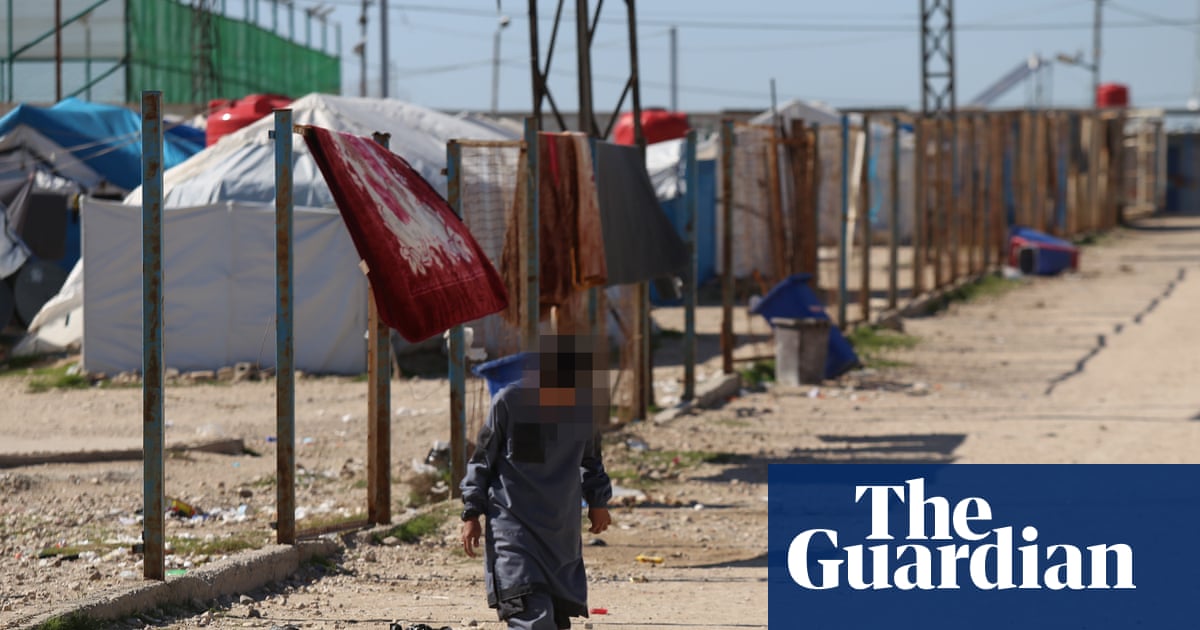
Four Australian women and nine children/grandchildren have left al-Roj camp in Syria and are traveling to Damascus for an attempted return to Australia, while seven women and 14 children remain. The article highlights deteriorating camp conditions, U.S. pressure to close the detention facility, and Australia’s continued refusal to assist repatriation, despite prior missions in 2019 and 2022. The issue is politically sensitive domestically but has limited direct market impact.
This is less a one-off humanitarian headline than a signal that the Syria endgame is moving from frozen conflict to managed liquidation, and that shift changes the political-risk stack for regional assets. The most important second-order effect is that western governments will increasingly face a binary choice between controlled repatriation and passive abandonment; once the camp footprint shrinks, the legal, reputational, and security costs of non-action rise sharply, especially if there is another breach or disease event. That tends to compress the timeline from “politically inconvenient” to “must resolve,” which can produce abrupt policy reversals over a 1-3 month window.
For markets, the direct tradable impact is on defense/security and detention-infrastructure contractors rather than broad equities. Any move to accelerate repatriation or fund alternative custody arrangements would modestly support border security, intelligence, and detention-logistics spend, while reducing the probability of a large, disorderly incident that could force emergency security outlays later. The larger risk is not the return of a small cohort, but a failed transfer, escape, or attack during the handover period, which would raise domestic counterterrorism spending and political pressure for tougher legislation.
The contrarian read is that the market may be underpricing the duration of this issue: even if the current group leaves safely, the remaining population keeps the policy overhang alive and creates a recurring catalyst into elections. That makes this a low-beta but persistent headline risk for Australia’s domestic politics, with asymmetric downside if a single case ties into election messaging around border control and public safety. The most investable edge is to express the view through event-driven hedges on security-policy beneficiaries rather than trying to trade the geopolitical story outright.
AI-powered research, real-time alerts, and portfolio analytics for institutional investors.
Request DemoOverall Sentiment
mildly negative
Sentiment Score
-0.20
