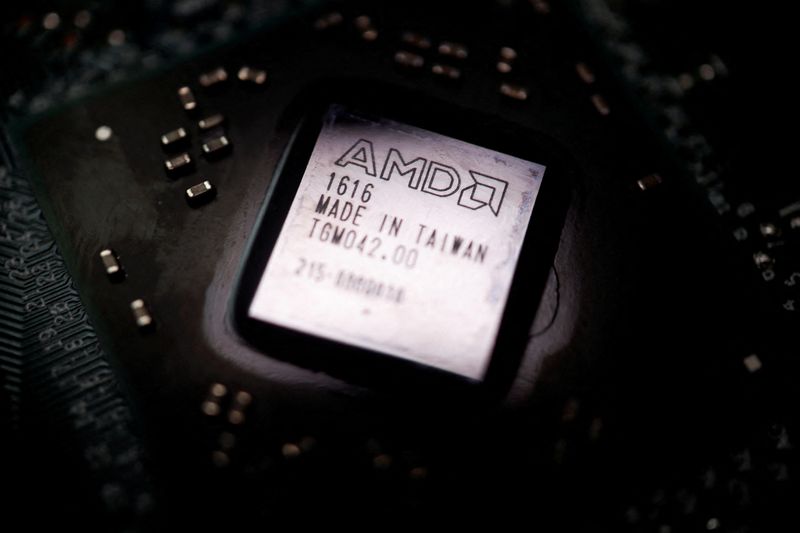
U.S.-Iran tensions over the Strait of Hormuz remain unresolved, and the U.S. Navy has moved into the Strait, adding geopolitical risk to markets. The article is otherwise a broad market-movers roundup, with sharp stock-specific swings such as AVGO +5.34%, AMD +3.81%, COST -3.31%, AKAM -15.24%, and CRWV +13.51% after pricing a $1.75 billion bond offering at a 9.75% yield. Overall impact is more sector- and sentiment-driven than macroeconomic, but the Hormuz headline raises energy and risk-premium concerns.
The market is rotating around two distinct regimes: a macro-geopolitical hedge bid and a violent dispersion trade inside secular AI/infrastructure beneficiaries versus crowded software/high-multiple defensives. Names tied to semis, photonics, and networking are being rewarded because the market is paying up for hard capacity and supply-chain leverage, while software and internet infrastructure are getting de-rated as investors question whether revenue durability justifies current multiples. That split usually persists for days to weeks, not hours, because it reflects positioning cleanup rather than one-off news.
The Iran/Hormuz headline matters less for immediate crude pricing than for what it does to rates, shipping, and risk premia. If the Strait risk stays elevated, the second-order winners are defense, industrial electrification, and domestic infrastructure platforms with tangible backlog; the losers are import-heavy retailers and any model that depends on cheap global logistics. The more interesting implication is that a sustained jump in freight and insurance costs can bleed into midstream delivery margins and consumer discretionary gross margins before it ever shows up in headline CPI.
The sharp selloff in software/cloud-adjacent names looks like classic factor unwinding: long-duration cash flows are being hit just as higher discount-rate fears resurface and bond-market stress becomes more visible. In that environment, the market tends to punish “good” growth if there is any sign of slowing net retention or margin compression, while rewarding companies with visible hardware demand and pricing power. The contrarian read is that some of the software declines are likely overshot over a 1-3 month horizon, but only after the current risk-off leg exhausts and rates stabilize.
In small caps, the violent moves are less about fundamentals and more about balance-sheet sensitivity and financing scarcity. Companies that can access capital or signal insider/strategic support are getting repriced sharply higher, while those facing dilution, lock-up changes, or leadership disruption are being marked down immediately. That implies the next leg of alpha is likely in financing-aware pairs, not outright beta longs.
AI-powered research, real-time alerts, and portfolio analytics for institutional investors.
Request DemoOverall Sentiment
neutral
Sentiment Score
-0.05
Ticker Sentiment
