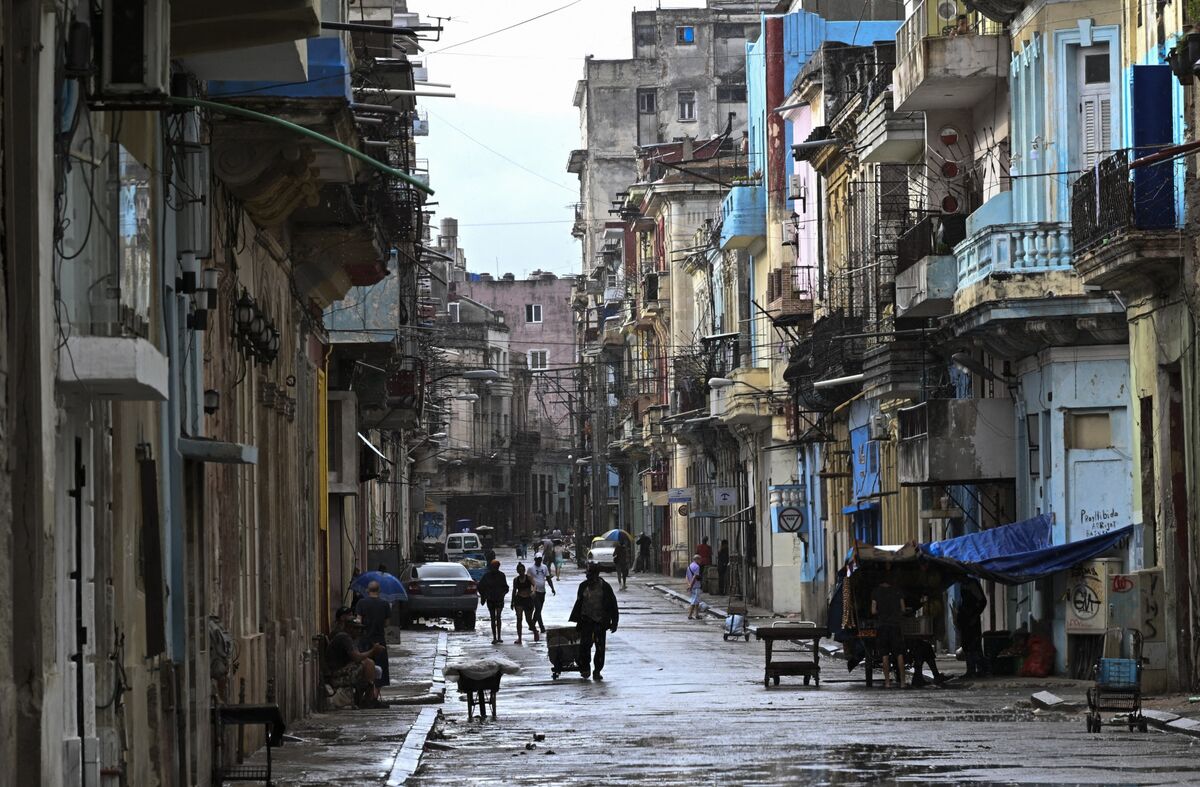
A tanker carrying more than 700,000 barrels of Russian crude is expected to arrive in Cuba by the end of the month, potentially easing the island’s worst fuel crisis in decades. The shipment arrives about three months after U.S. policy effectively cut off prior oil flows, providing localized supply relief but likely minimal impact on global oil prices.
The immediate economic lever here is not the single cargo but the activation of a logistical pathway that lengthens tonne-miles for crude shipments: longer hauls + more ship‑to‑ship maneuvers -> proportionally higher spot VLCC/Suezmax/Aframax rates and brokerage fees. Given the current fleet utilisation and slow scrappage/replacement dynamics, even a modest redirection of a few hundred kbpd into longer mid‑ocean legs can push spot VLCC earnings north by 20–100% over a 1–3 month window, creating outsized cashflow for owners before new supply (charters) materializes.
Second‑order winners include owners of older, flexible tankers that can perform covert ship‑to‑ship transfers and brokers/charterers who facilitate non‑standard voyages; losers are counterparties reliant on compliant insurance/finance networks — small owner/operators without sanction‑resilience will face rising P&I/insurance premia and exclusion from bank payment rails. Expect trade migration to cash/alternative settlement rails, elevating FX and correspondent‑bank risk in smaller EM/Caribbean banks over months.
Key catalysts: decisive US secondary‑sanctions action (days–weeks) or explicit toleration/waivers (weeks–months) will determine whether flows are one‑off or structural. A rapid enforcement episode could produce a >50% short‑term price drawdown in affected shipping equities; conversely, normalization of these workarounds would sustain elevated freight for 3–12 months. Monitor insurance filings, Turkey/Greece ports activity, and AIS darkening patterns for early signals.
Contrarian cut: the market treats this as a tactical patch; I view it as a potential regime shift in sanctioned crude routing. Even if political backlash eventually closes channels, the interim period of elevated tonne‑miles is long enough to make concentrated, short‑term exposures in the shipping complex asymmetrically profitable — the tail risk is concentrated but identifiable and hedgeable.
AI-powered research, real-time alerts, and portfolio analytics for institutional investors.
Request DemoOverall Sentiment
neutral
Sentiment Score
0.05
