
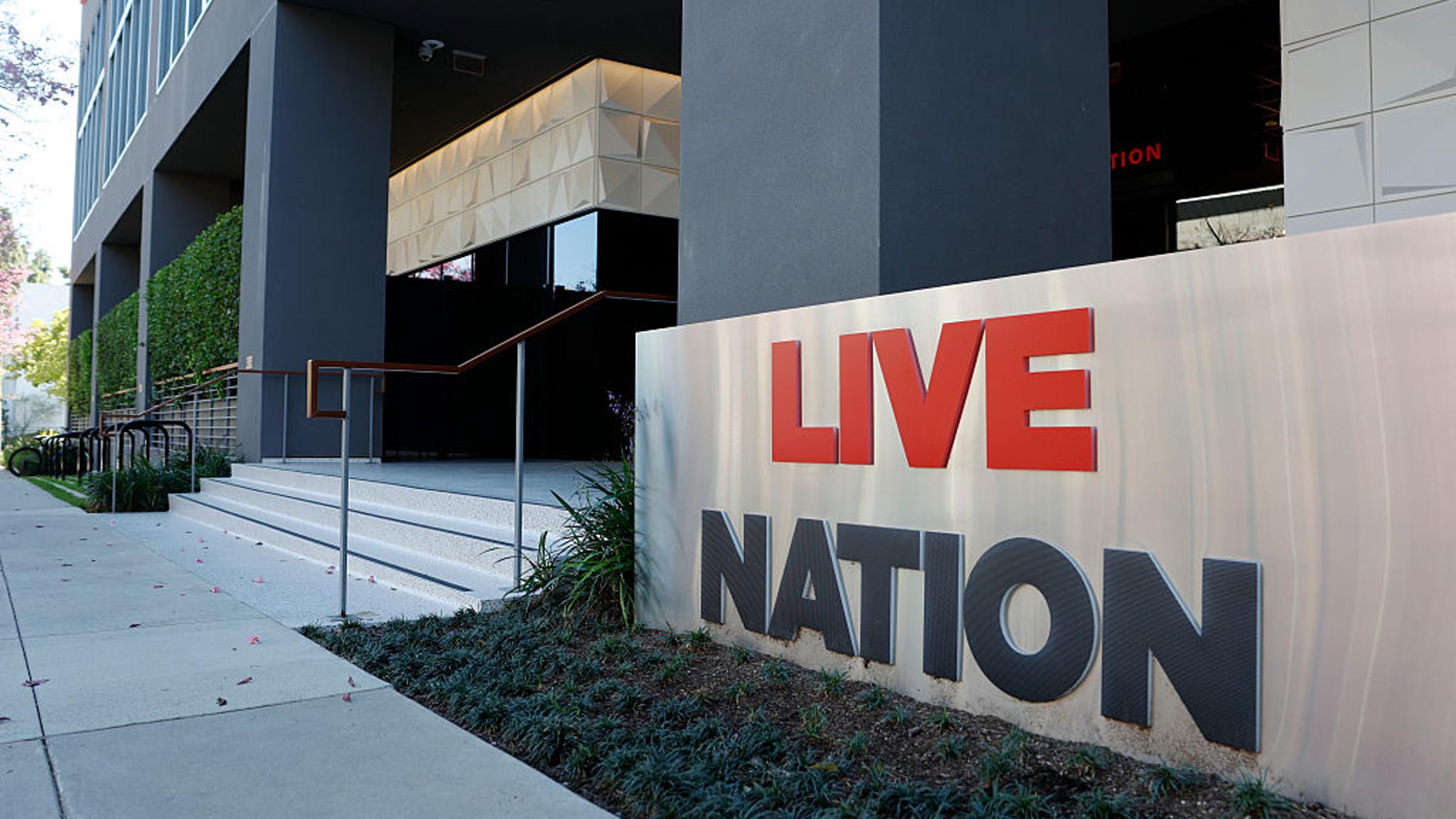
A New York federal jury found Live Nation operated an illegal monopoly over large entertainment venues and Ticketmaster overcharged $1.72 per ticket in 21 states plus Washington, D.C. The judge will next determine remedies, which could include divestitures, a breakup, and potentially millions of dollars in repayments, while Live Nation argues the verdict is not the final word and could be offset by prior settlement terms. The case may open the market to more competition and could pressure long-term ticket pricing, though immediate relief for consumers appears unlikely.
The verdict increases the probability of a multi-quarter overhang on LYV, but the first-order revenue hit is likely smaller than the market may fear. The bigger issue is that antitrust remedies can change the economics of the whole live-events stack: if venue/ticketing separation becomes more likely, the company loses its ability to bundle inventory, data, and distribution, which is where durable pricing power usually lives. That creates a longer-dated multiple compression risk even before any formal breakup—investors will discount regulatory friction, higher legal spend, and weaker cross-sell leverage into 2025-2026 estimates.
The second-order winners are the venue ecosystem and alternative ticketing platforms, not necessarily concertgoers. Independent promoters, regional arenas, and rival ticketing vendors gain negotiating leverage if venues believe switching costs are falling; that can pressure Ticketmaster take rates and force concessions on service fees, exclusive deals, and data access. If a remedy phase mandates operational separation or caps fees, the near-term transfer is likely from LYV margins to venues/promoters rather than a clean consumer price pass-through.
The contrarian point is that this is not automatically a structural demand shock for live entertainment. Ticket inflation has been driven by artist pricing power, premium inventory mix, and post-pandemic demand normalization; breaking platform power may lower fees at the margin but may not materially reduce headline ticket prices. In other words, the stock downside is more about margin architecture and regulatory precedent than about a collapse in concert spending. The catalyst path is messy: legal motions can blunt liability in days to weeks, remedies are months away, and appeals can push the real impact out by 12-24 months.
AI-powered research, real-time alerts, and portfolio analytics for institutional investors.
Request TrialOverall Sentiment
mildly negative
Sentiment Score
-0.15
Ticker Sentiment
