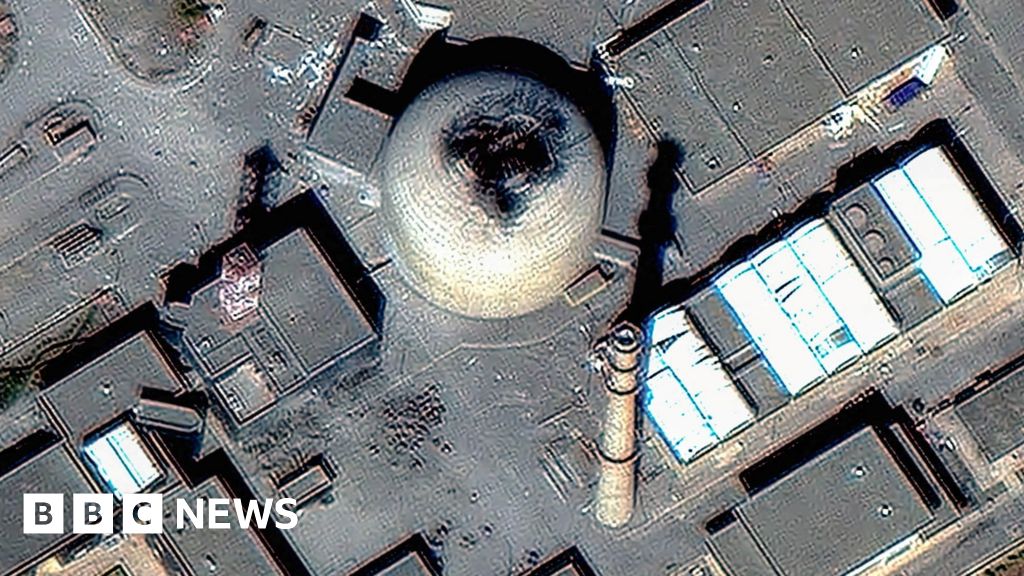
Israeli military forces have conducted a series of air strikes targeting Iran's nuclear facilities, including the Arak heavy water reactor and a "nuclear weapons development site" at Natanz, escalating tensions between the two countries. The strikes on Arak aimed to prevent the reactor's potential use for nuclear weapons development by disabling its core seal, while attacks on Natanz targeted uranium enrichment capabilities and electricity infrastructure; the IAEA has confirmed the attack on Arak but stated it contained no nuclear material. These actions follow concerns raised by the IAEA regarding Iran's accumulation of uranium enriched up to 60% purity, bringing it closer to weapons-grade levels, and have prompted retaliatory ballistic missile launches from Iran, resulting in casualties on both sides.
Israeli air strikes have significantly escalated the conflict with Iran, targeting key nuclear facilities including the Arak heavy water reactor and a uranium enrichment site at Natanz. The Israeli military stated the Arak strike aimed to disable the reactor's core seal to prevent its use for 'nuclear weapons development,' referencing Iran's alleged deliberate slowdown in converting the reactor under the 2015 deal. The International Atomic Energy Agency (IAEA) confirmed Arak was hit but contained no nuclear material; satellite imagery also revealed a large hole in the reactor building's roof and destroyed distillation towers at the adjacent heavy water plant. At Natanz, strikes destroyed the Pilot Fuel Enrichment Plant's above-ground section and electricity infrastructure, likely damaging centrifuges as per the IAEA. These actions occur amidst IAEA concerns over Iran amassing uranium enriched to 60% purity, sufficient for potentially nine nuclear bombs, and follow the 2018 US withdrawal from the nuclear accord. Iran has retaliated with ballistic missile launches and condemned the attacks on nuclear sites, while maintaining its nuclear program is peaceful. The situation, marked by a 'strongly negative' sentiment and a 'high market impact score' (0.85), indicates severe geopolitical instability with significant casualties reported on both sides and discussions of potential further US involvement regarding the Fordo facility.
AI-powered research, real-time alerts, and portfolio analytics for institutional investors.
Overall Sentiment
strongly negative
Sentiment Score
-0.85
