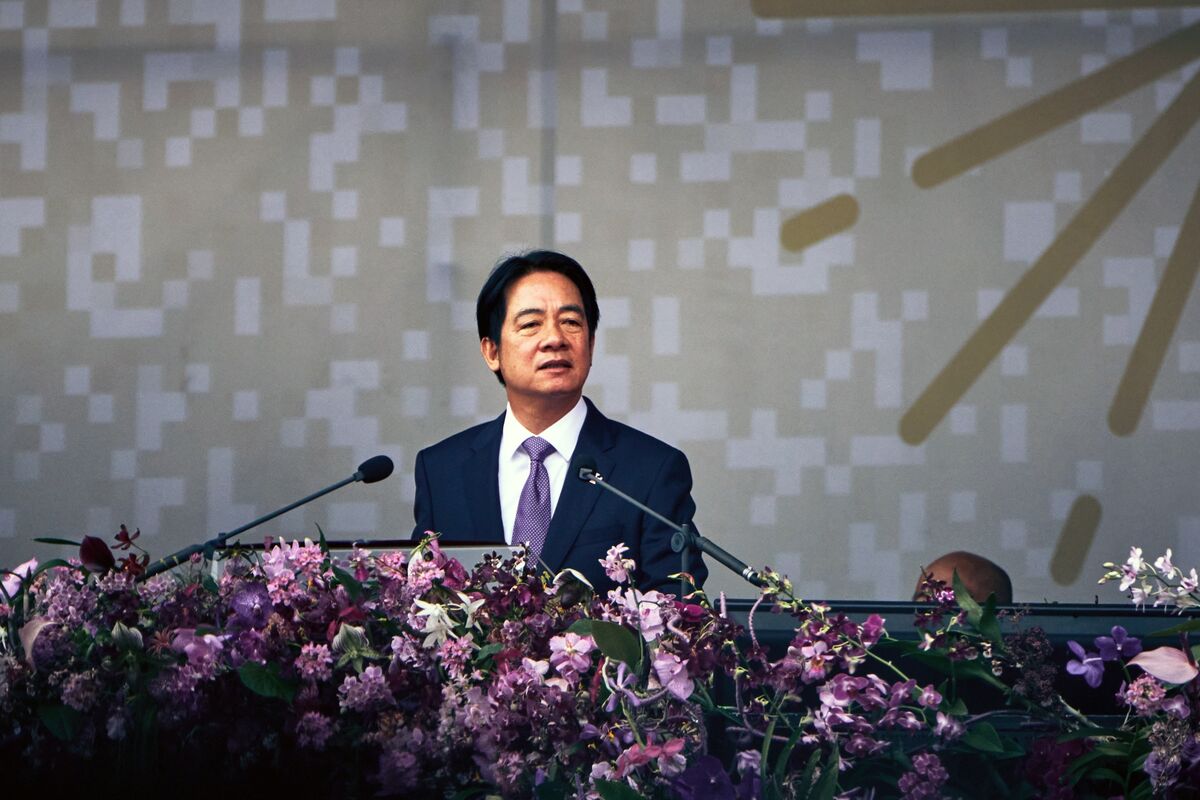
Taiwanese President Lai Ching-te experienced significant political setbacks this week, including a failed recall vote against opposition lawmakers that weakened his domestic agenda. Concurrently, the Trump administration reportedly denied his request for a US transit, citing concerns it could jeopardize ongoing US-China trade negotiations. This dual blow further complicates Taiwan's diplomatic maneuverability and highlights the delicate balance of its political and economic stability amidst a looming US tariff deadline.
Taiwanese President Lai Ching-te is facing a period of significant political vulnerability, marked by simultaneous setbacks on both domestic and international fronts. Domestically, a 'landslide defeat' in a recall vote against opposition lawmakers has materially weakened his ability to execute his policy agenda. Internationally, the reported refusal by the Trump administration to grant a US transit request, explicitly linked to preserving ongoing trade negotiations with China, underscores Taiwan's precarious diplomatic position. This dual blow occurs under the shadow of a looming US tariff deadline, amplifying the geopolitical and economic uncertainty. The confluence of weakened domestic authority and diplomatic isolation raises the risk profile for a region critical to global supply chains, a concern reflected in the strongly negative sentiment and moderate-to-high market impact score associated with these developments.
AI-powered research, real-time alerts, and portfolio analytics for institutional investors.
Request DemoOverall Sentiment
strongly negative
Sentiment Score
-0.70
