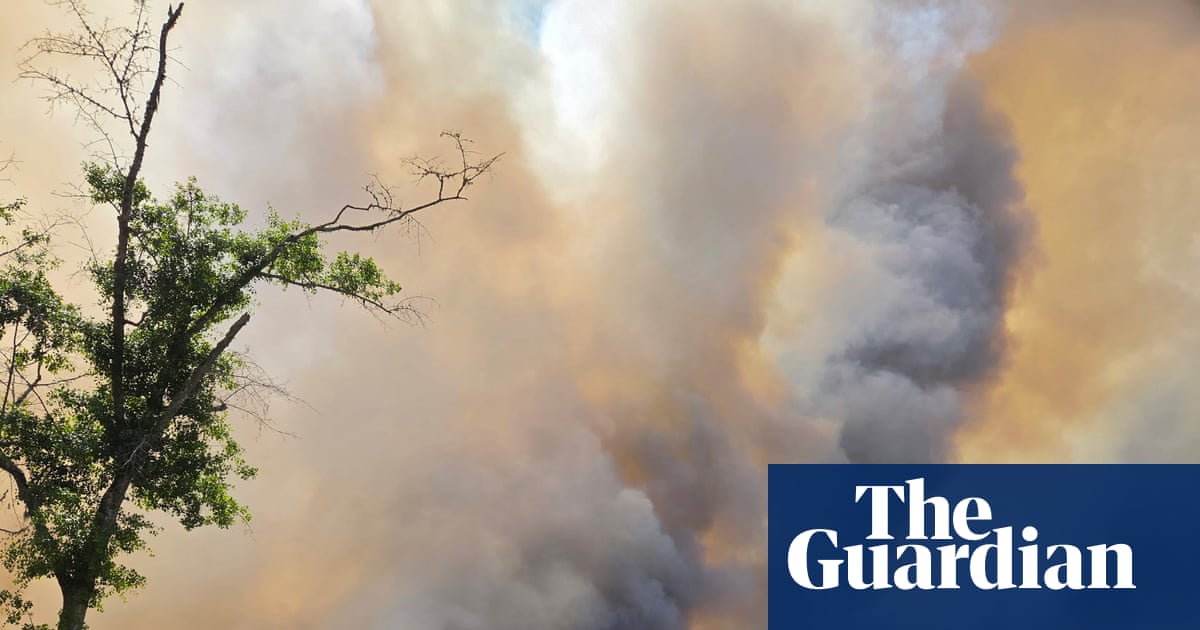
At least 2 people were killed after a powerful tornado hit northern Texas, with 6 others treated for injuries and at least 20 families displaced amid significant neighborhood damage. In Georgia, two major wildfires have burned more than 40,000 acres and destroyed 120 homes, including 87 homes lost in the Highway 82 fire, which was 7% contained as of Sunday afternoon. The article also warns of additional severe weather, flash flooding risk, and more than 150 other wildfires across Georgia and Florida.
The immediate market read is not the storm headline itself but the knock-on effect on repair-cycle demand. Tornado damage plus wildfire displacement should pull forward spending into residential roofing, insulation, lumber, HVAC, generators, and electrical distribution equipment over the next 2-12 weeks; the beneficiaries are more often second-tier distributors and regional contractors than the obvious homebuilders. The catch is that the gross benefit is capped by logistics: blocked roads, utility outages, and insurance adjuster bottlenecks slow claim conversion, so revenue recognition for suppliers is likely more back-end loaded than the first media cycle suggests.
For housing, the more material second-order impact is not new demand but supply contraction. In the hardest-hit pockets, damaged homes come off the market and labor gets diverted from new construction to repair, which tends to tighten already-inventoried Sun Belt markets and support rental rates locally even as transaction volumes freeze. That creates a relative-value setup: insurers and reinsurers absorb the first loss layer immediately, while local builders may see a short-lived share-price lift only if rebuilding pipelines become visible; otherwise the margin benefit is diluted by labor and material inflation.
The wildfire leg is a slower-burn catalyst for utilities and grid-hardening. A fire sparked by power infrastructure and intensified by dry fuel loads increases the probability of accelerated capex, vegetation management, and selective line undergrounding, which is structurally positive for electrical equipment vendors and some contractors, but negative for utility equity returns if regulators delay full cost recovery. The contrarian point: climate-disaster trade is often crowded into clean-up winners, but the more durable alpha is in firms that sell resilience, not remediation; this is a multi-quarter capex story, while insurance losses and emergency commodity demand are days-to-weeks.
AI-powered research, real-time alerts, and portfolio analytics for institutional investors.
Request DemoOverall Sentiment
strongly negative
Sentiment Score
-0.85
