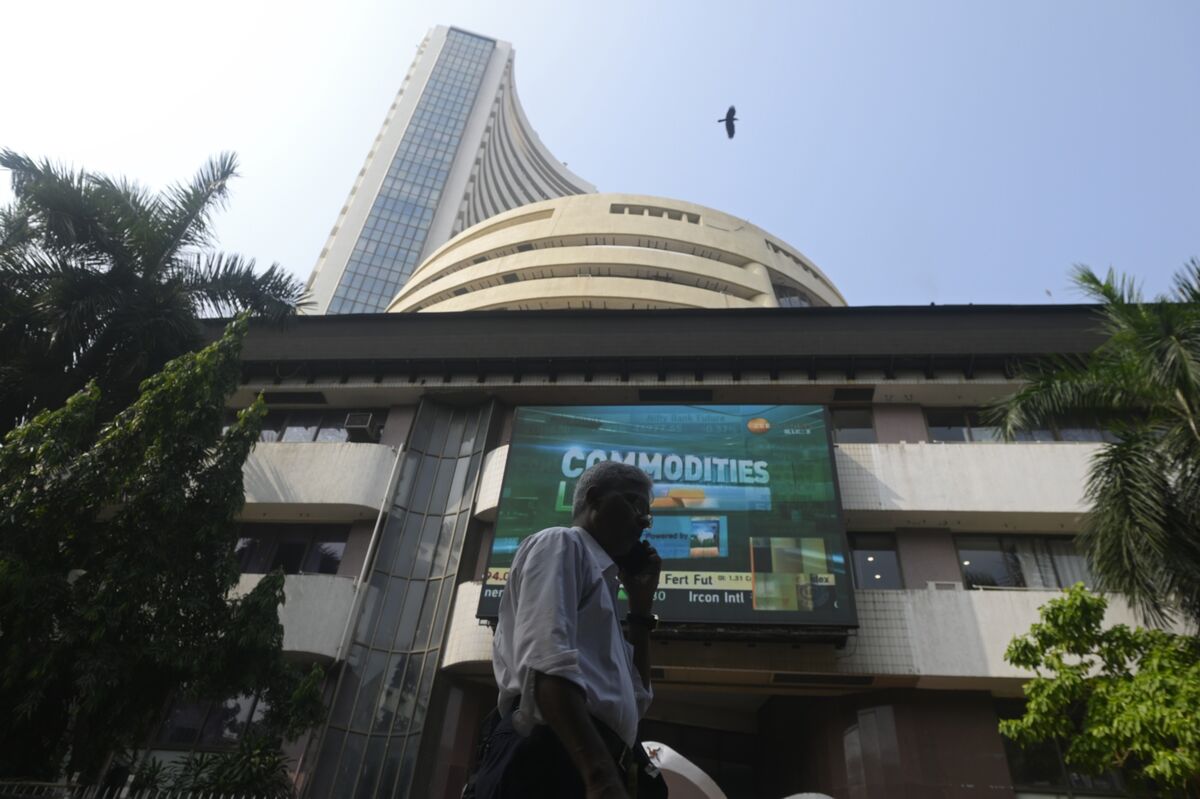
India's Securities and Exchange Board (SEBI) has barred Jane Street Group from accessing the nation's securities market, prohibiting the firm from directly or indirectly buying, selling, or dealing in securities. This regulatory action significantly restricts a major global trading firm's operations within India's financial landscape.
The Securities and Exchange Board of India (SEBI) has taken a significant regulatory step by issuing a blanket order that bars Jane Street Group from accessing the Indian securities market. The prohibition is comprehensive, preventing the firm from directly or indirectly buying, selling, or otherwise dealing in securities. As Jane Street is a major global quantitative trading and liquidity-providing firm, its exclusion represents a material development for both the company and the Indian market. The absence of a stated reason for the ban in the order creates uncertainty and raises concern among foreign institutional investors about the regulatory landscape in India. This action underscores the heightened legal and regulatory risks associated with operating in key emerging markets, highlighting the potential for severe and abrupt enforcement actions by local authorities.
AI-powered research, real-time alerts, and portfolio analytics for institutional investors.
Request DemoOverall Sentiment
strongly negative
Sentiment Score
-0.70
