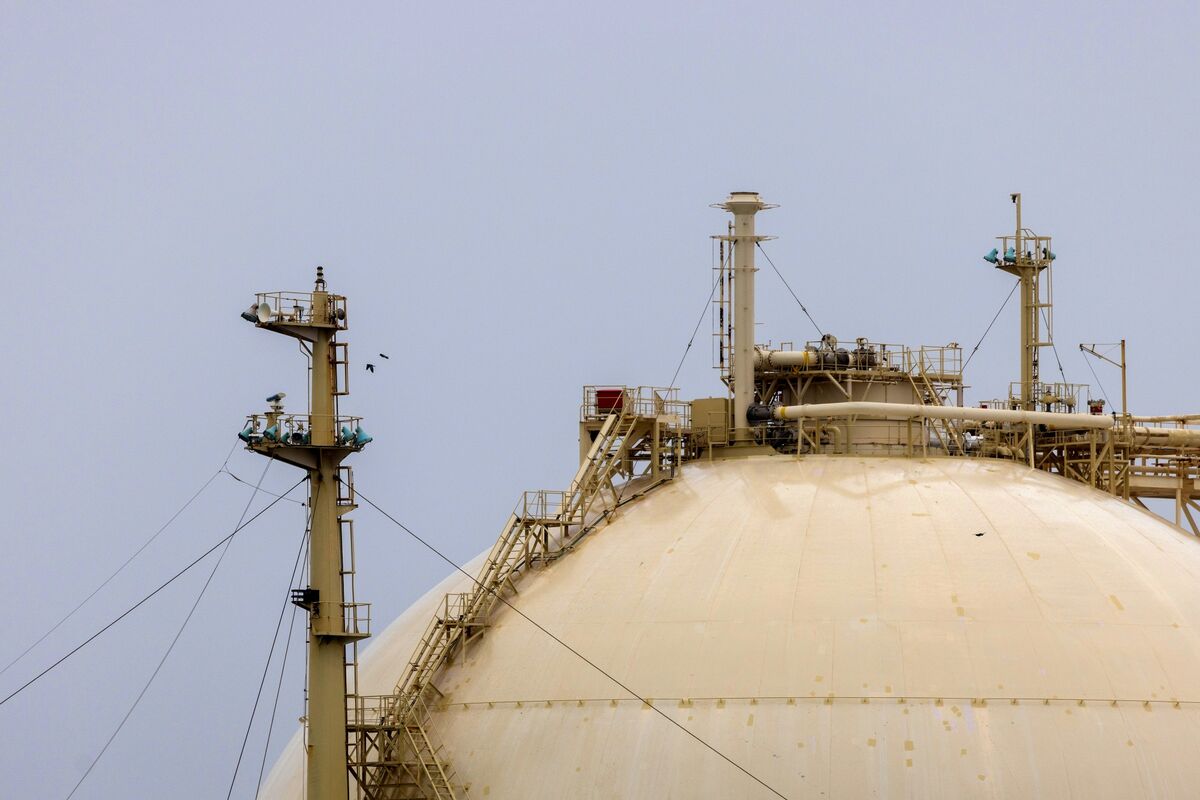
At least eight empty LNG tankers are clustered off Qatar’s Ras Laffan export terminal, with another vessel en route and two more approaching the Strait of Hormuz. The buildup suggests Qatar is preparing to ramp exports quickly as early US-Iran peace talks reduce near-term disruption risk in the Gulf. The development is most relevant for LNG supply dynamics and shipping flows rather than a direct company-specific catalyst.
The immediate market read-through is not “more LNG” but lower probability of a near-term Gulf supply shock premium. When tankers cluster at a single load point and transit patterns normalize, the marginal effect is usually a narrowing of implied outage risk in spot gas and LNG freight, even if actual export volumes only rise modestly. The second-order beneficiary is Asian gas consumers and utilities with flexible procurement, which gain optionality if cargo availability improves faster than expected.
The more interesting angle is sequencing: a diplomatic thaw can ease headline risk before it materially changes molecules on the water. That tends to compress volatility in JKM/TTF and LNG shipping equities first, while the fundamental oversupply/undersupply balance lags by weeks. If the market starts pricing a sustained Qatar ramp just as maintenance season and weather uncertainty fade, the largest move may be in prompt-month spreads rather than outright flat prices.
The risk is that this is a false signal from vessel timing rather than a durable production inflection. If negotiations stall or if transit safety deteriorates again, the market can reprice quickly because LNG logistics are extremely path-dependent and thinly buffered. Also, any Qatar export acceleration can pressure marginal Atlantic Basin exporters and higher-cost reloaders before it moves headline LNG indices, so the pain trade may show up in shipping and niche gas infrastructure names first.
Consensus may be underestimating how quickly geopolitical de-risking can unwind freight scarcity premiums, even if energy prices themselves barely move. Conversely, if the peace talk optimism proves temporary, the current calm can reverse in days, not months, because LNG cargo scheduling and fleet positioning are highly reflexive. That makes the setup more attractive as a volatility trade than a directional commodity bet.
AI-powered research, real-time alerts, and portfolio analytics for institutional investors.
Request DemoOverall Sentiment
neutral
Sentiment Score
0.05
