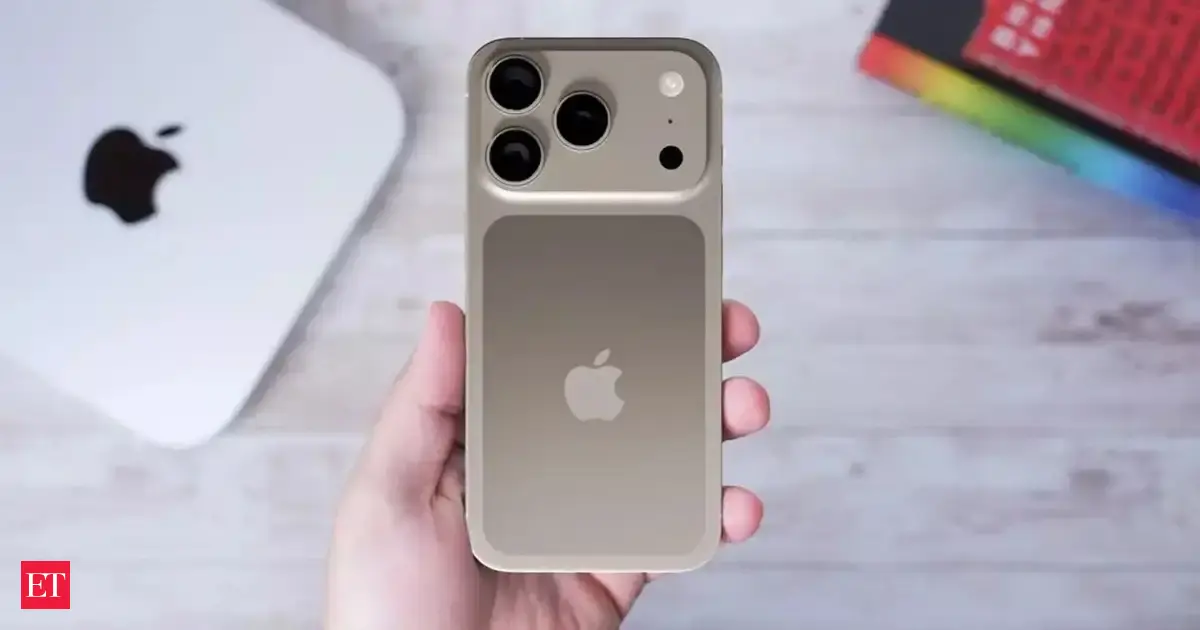
Apple's iPhone 17 launch is encountering significant quality control issues, with widespread user reports detailing critical problems such as dropped calls, unstable 4G/5G connectivity across major carriers, Wi-Fi dropouts, and a rare camera bug. These issues, affecting even Pro models and not resolved by initial updates, indicate a challenging rollout for Apple, potentially impacting sales and brand perception. While an iOS 26 developer beta has shown promise in addressing connectivity for some, the prevalence of these complaints across diverse networks and regions necessitates a rapid and effective response from the company to mitigate further negative market sentiment.
Apple's (AAPL) iPhone 17 launch is experiencing significant operational and reputational headwinds due to widespread reports of quality control failures. Users across major carriers—including AT&T, T-Mobile, and Verizon—are reporting critical functional flaws such as dropped calls and unstable 4G/5G connectivity, issues which also affect the premium Pro models and were not resolved by the initial software update. Further compounding the problem are reports of Wi-Fi dropouts linked to Apple's first-generation N1 wireless chip, a rare camera bug which the company has acknowledged, and the re-emergence of durability concerns ("scratchgate") with scuff marks appearing on new devices. While a developer beta of iOS 26 reportedly fixed connectivity for one user, suggesting a firmware solution is possible, the growing volume of complaints creates a material risk to the product's launch momentum. The strongly negative sentiment score (-0.8 for AAPL) reflects the severity of these issues, which could negatively impact initial sales, increase product return rates, and damage consumer trust in the brand's premium positioning.
AI-powered research, real-time alerts, and portfolio analytics for institutional investors.
Overall Sentiment
strongly negative
Sentiment Score
-0.65
Ticker Sentiment
