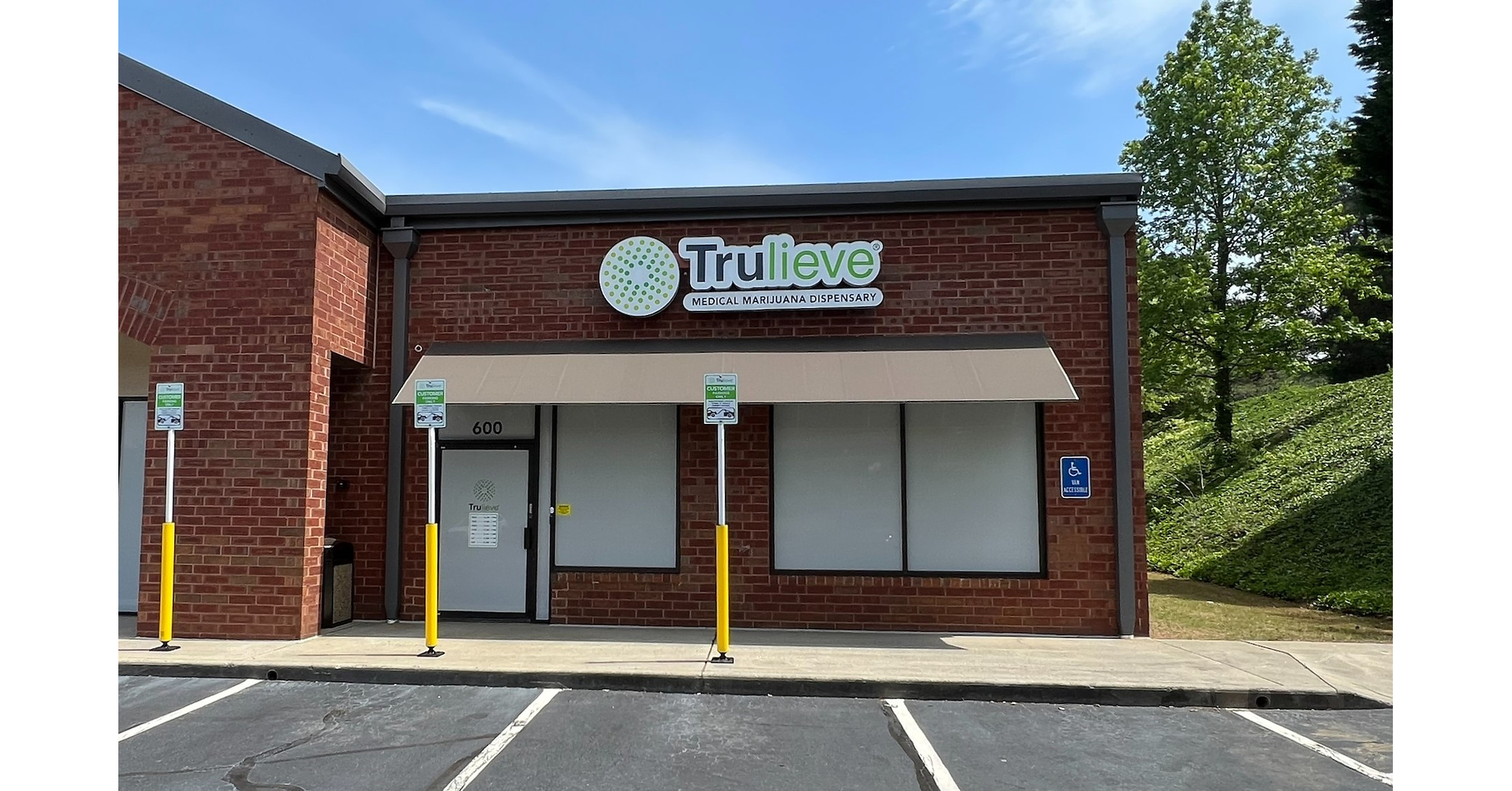
Trulieve (NYSE: TRLV) marked Georgia’s medical cannabis expansion with a ceremonial “first sale” at its Marietta location following the May 12, 2026 signing of SB 220. The law widens access by adding flower/vaporization products for patients 21+ and removing prior end-stage restrictions, while also expanding qualifying conditions (including lupus, HIV, and inflammatory bowel disease). After federal rescheduling to Schedule III in April, Georgia pharmacies can sell state-licensed, DEA-registered medical cannabis; Trulieve has started supplying over a dozen pharmacies and plans to expand further this summer.
This is a channel-expansion story more than an immediate revenue step-up. The real winner is the operator that can convert regulatory access into repeat prescription-like behavior through trusted retail points; that favors TRLV’s branded portfolio and pharmacy relationships over lower-quality, discount-led names that rely on dispensary foot traffic. The second-order effect is that pharmacy distribution should reduce stigma and broaden physician referrals, but it may also shift mix toward lower gross-margin wholesale economics, so the near-term P&L lift can lag the headline enthusiasm.
The market is likely to overprice the first-sale optics relative to the economic contribution. With only a limited store base and a still-early pharmacy footprint, the immediate impact is probably modest; the real catalyst is 1-3 months of fill-rate data, pharmacy onboarding, and evidence that new qualifying conditions are actually converting into incremental patients rather than just switching existing users to a new channel. If that data is weak, the move reverses quickly because this remains a thinly traded cannabis tape with headline-driven flows.
Contrarian view: the consensus may be missing that pharmacy access is a proof-of-concept for a distribution model, not a demand guarantee. The bullish structural case only works if federal rescheduling keeps unlocking licensed pharmacies and if state-level compliance stays clean; any legal delay, DEA registration bottleneck, or slower-than-expected patient enrollment would cap upside. Over 6-18 months, the more durable implication is competitive: operators with broader SKU breadth, stronger physician education, and better compliance infrastructure should gain share while weaker MSOs remain stuck in a promo-heavy, low-repeat cycle.
AI-powered research, real-time alerts, and portfolio analytics for institutional investors.
Request DemoOverall Sentiment
mildly positive
Sentiment Score
0.25
Ticker Sentiment
